
Finding the right camping tent size ensures comfort, safety, and convenience on your next outdoor adventure. Whether you’re solo backpacking or car camping with a family, selecting a tent that matches your needs prevents overcrowding or wasted space. This guide walks you through key factors like occupancy, gear storage, and weather protection so you can make an informed decision. The ideal what size camping tent do i need depends on more than just how many people will sleep inside—it also includes room for backpacks, cooking gear, and emergency supplies.
Key Takeaways
- Consider the number of occupants: A 1-person tent offers privacy but little room; a 4-person tent may feel cramped if gear fills it up.
- Factor in gear storage: Extra space allows for stashing backpacks, clothing, and cooking equipment—don’t assume all tents have vestibules.
- Check peak height and floor area: Standing room and spread-out comfort matter, especially if you’re tall or prefer moving around inside.
- Weather resistance varies by design: Storm-ready tents often sacrifice interior space, so balance durability with livability.
- Seasonality affects tent choice: 3-season tents are lighter but less insulated; 4-season models are bulkier but built for snow and wind.
- Test before you trek: Pitch your tent at home to ensure setup ease and verify actual usable space.
- Leave room for expansion: Unexpected guests or extra gear? Choose a slightly larger model for future flexibility.
📑 Table of Contents
- What Size Camping Tent Do I Need?
- Understanding Tent Sizes and Their Meanings
- How Many People Will Sleep in Your Tent?
- Do You Have Gear to Store?
- Seasonality and Weather Conditions
- Tent Setup and Real-World Usability
- Future Flexibility and Upgrade Paths
- Top Tips for Picking the Right Tent Size
- Conclusion: Comfort Starts with the Right Fit
What Size Camping Tent Do I Need?
You’ve packed your hiking boots, checked the weather forecast, and loaded up the cooler—but there’s one last puzzle piece: the camping tent. Choosing the right size isn’t just about tossing a sleeping bag inside; it’s about finding a shelter that fits your lifestyle, protects you from the elements, and leaves room for all your gear. The question “what size camping tent do I need?” might seem simple, but the answer depends on several practical factors that go beyond the number on the package label.
Check the latest prices and available rooms before they sell out.
Imagine arriving at your campsite after a long hike only to find yourself elbow-to-elbow with your travel companion because the tent was too small. Or worse, struggling to close the rainfly in a sudden downpour because the poles weren’t rated for heavy winds. These scenarios are avoidable when you understand how tent size impacts both comfort and safety. From solo adventurers to families with kids, everyone deserves a restful night under the stars—and the right tent makes that possible.
Understanding Tent Sizes and Their Meanings
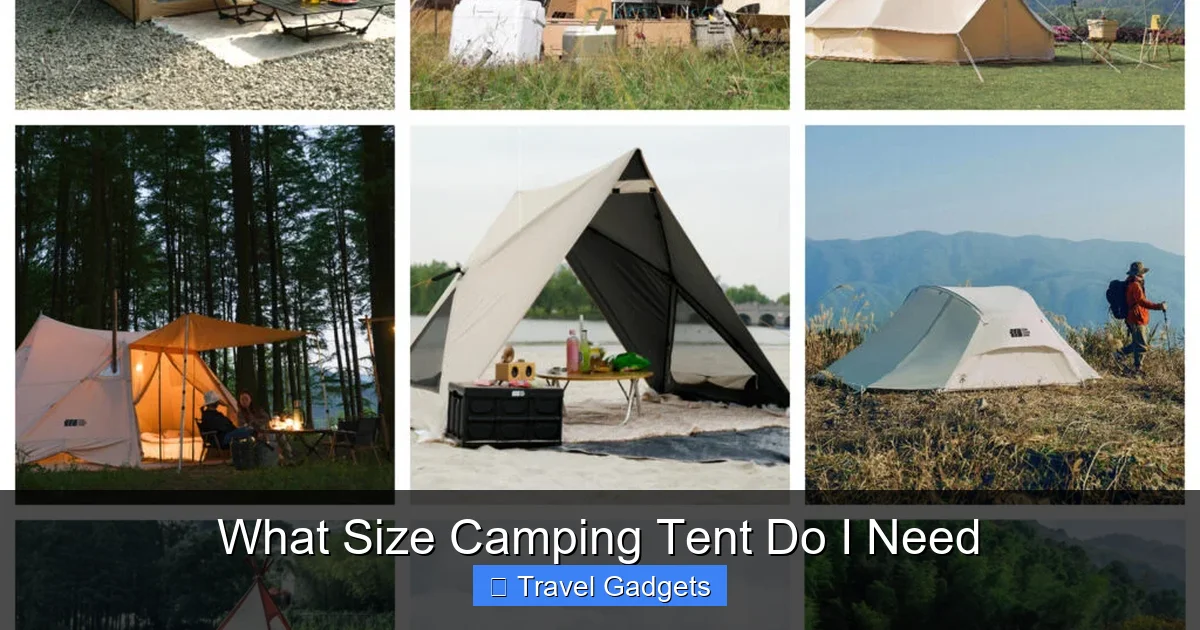
Tent manufacturers typically list two key measurements: the number of people it accommodates and the total square footage of the interior floor. But these numbers don’t always tell the full story. For example, a “3-person” tent might only offer 30 square feet of floor space—barely enough room for three sleeping bags side by side. Meanwhile, some 2-person tents stretch over 40 square feet, giving you generous elbow room.
Visual guide about What Size Camping Tent Do I Need
Image source: txzoutdoors.com
How Occupancy Numbers Work
Most companies base their “person” ratings on standard adult sleeping bags (about 75–80 inches long). That means a single person can comfortably fit in a 1-person tent, while two adults can share a 2-person model. However, adding even one child or bringing bulky gear quickly changes the equation. If you plan to bring a dog or pack a large cooler, consider stepping up to the next size.
Floor Area vs. Peak Height
Beyond floor space, look at the peak height—the tallest point inside the tent where you can stand upright. Taller campers should prioritize this feature, as ducking constantly ruins the fun. Some dome tents advertise “high-capacity” designs with vertical walls, offering more standing room without increasing overall footprint.
Find the Best Accommodation Deals
Compare prices from multiple booking platforms and find the best option for your stay.
Compare Hotel PricesVestibule Space Matters Too
A vestibule is the covered area outside the main entrance—often used to store boots, backpacks, or cooking gear. Not all tents include this feature, but those that do add valuable dry storage space. When comparing what size camping tent do I need, remember that vestibules contribute to overall usability, even if they aren’t part of the official square footage.
How Many People Will Sleep in Your Tent?
This is the first and most obvious factor in determining what size camping tent do I need. If you’re heading out solo, a lightweight 1- or 2-person tent makes sense. But if you’re planning romantic getaways or family trips, you’ll want something bigger. Here’s a quick breakdown:
Find the Best Accommodation Deals
Compare prices from multiple booking platforms and discover the best stay options available.
⭐ Trusted by thousands of travelers
💰 Budget to luxury options available
Visual guide about What Size Camping Tent Do I Need
Image source: eventslv.com
Best Stay Deals Available
Compare prices across top booking platforms and find the best deal for your stay.
Check Available Rooms- 1-Person Tents: Ideal for minimalists, thru-hikers, or those seeking privacy. Compact and easy to carry, but limited headroom and no room for gear.
- 2-Person Tents: The sweet spot for couples. Offers enough space for two sleeping bags plus small personal items.
- 3-Person Tents: Great for a couple with a toddler or two friends sharing close quarters. Often includes a divider for privacy.
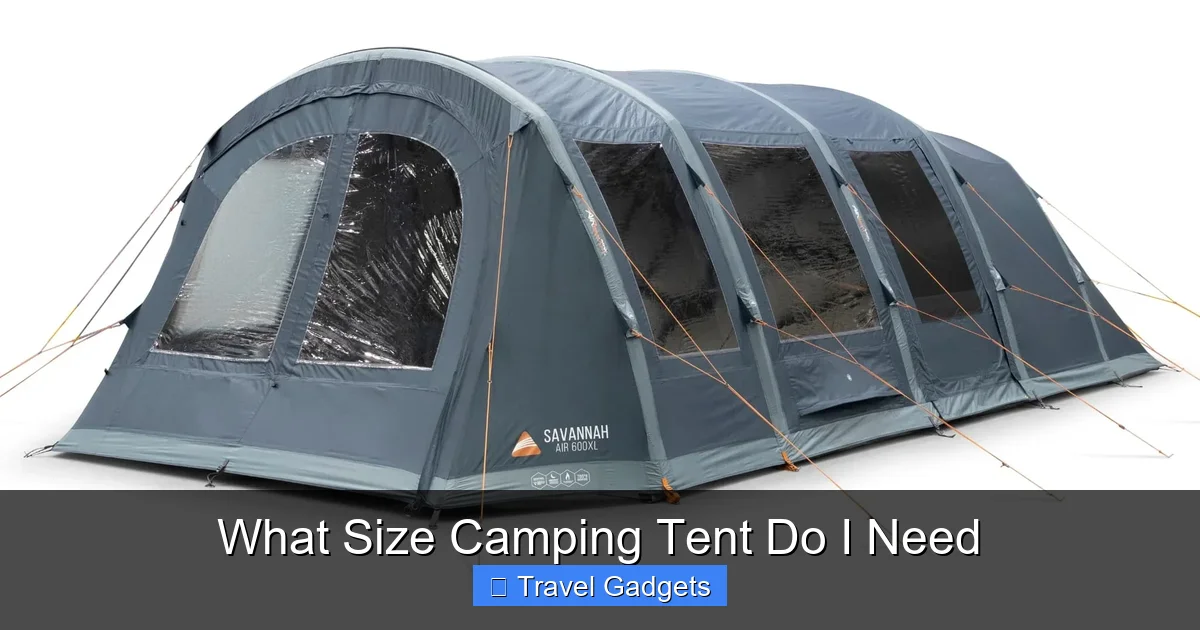
- 4-Person Tents: Perfect for small families or groups of four. May include multiple doors and vestibules for convenience.
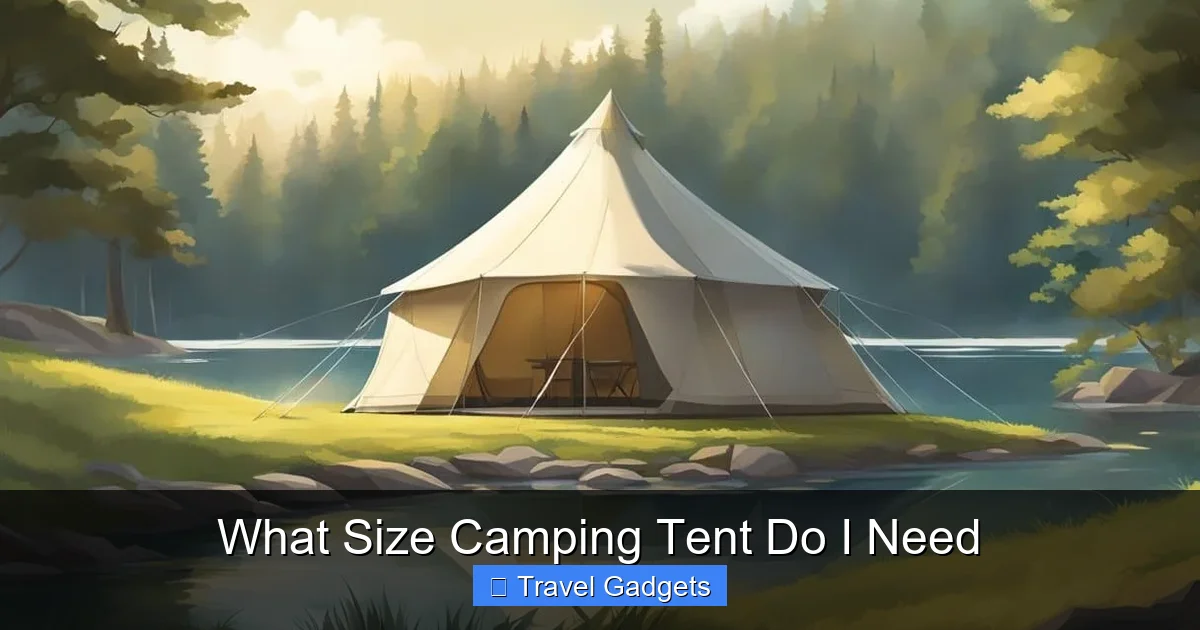
- 6+ Person Tents: Designed for car camping or festivals. Can double as a living room or dining area during the day.
If you’re unsure whether to choose a 2- or 3-person tent, err on the side of caution—extra space beats feeling cramped.
Do You Have Gear to Store?
This is where many campers underestimate their needs. A tent labeled as “4-person” doesn’t magically create extra space for your entire outdoor kit. Backpacks, sleeping pads, coolers, and cooking sets take up real estate—especially if stored inside rather than under a vestibule.
Visual guide about What Size Camping Tent Do I Need
Image source: wmcamping.co.uk
Storage Solutions Inside vs. Outside
Some tents feature mesh pockets and gear lofts for organizing smaller items like flashlights, phones, or snacks. Others rely entirely on vestibules or external storage bags. If you hate unpacking everything every morning, look for tents with internal organizational features.
Backpacking vs. Car Camping Needs
Backpackers prioritize weight and packability, so they often choose ultra-light 1- or 2-person tents—even if they could technically fit more. Car campers, however, can afford heavier, roomier models with full-sized doors, thicker floors, and ample storage. Ask yourself: Will you be hauling your tent over miles of trail, or setting it up near your vehicle?
Packing a Checklist
Before buying, make a list of essential gear:
- Sleeping bag(s)
- Sleeping pad(s)
- Headlamp or flashlight
- Cooking stove and fuel
- Cooler (if applicable)
- Clothing layers
- First aid kit
Then imagine placing each item inside your potential tent. If it feels tight already, upgrade to the next size.
Seasonality and Weather Conditions
Your climate plays a huge role in deciding what size camping tent do I need. A summer weekend in Arizona demands different shelter requirements than a winter expedition in the Rockies. Tents designed for specific seasons come with trade-offs between weight, insulation, and durability.
3-Season Tents
These are the workhorses of most campers. Built to handle spring, summer, and fall conditions, they’re lightweight, breathable, and quick to set up. Most 3-season tents won’t survive heavy snow loads or sustained high winds—but for typical camping trips, they’re reliable and comfortable.
4-Season Tents
Rugged and reinforced, 4-season tents feature stronger poles, bathtub-style floors, and tighter seams to keep out snow and ice. They’re heavier and bulkier than 3-season counterparts, which means less interior space relative to weight. Only bring one if you’re certain you’ll face harsh winter conditions.
All-Weather Considerations
Even within 3-season tents, wind resistance matters. Look for aerodynamic shapes like geodesic domes or modified A-frames. Avoid straight-walled tents in exposed areas—they catch wind like sails.
Tent Setup and Real-World Usability
Spec sheets lie sometimes. Just because a tent claims to be spacious doesn’t mean it delivers in practice. Always test your tent at home before relying on it in the wild.
Pitch It Before You Depend On It
Set up your new tent on your lawn or driveway. Time yourself—can you do it alone? Are all the stakes and guylines easy to locate? Does the rainfly fit snugly without gaps? Doing this prep work eliminates surprises on the trail.
Real Estate vs. Perceived Space
Dome tents often feel more spacious than tunnel tents because of their curved walls, which maximize headroom. Rectangular tents offer flat floors but lower ceilings. If you’re tall, prioritize peak height over square footage.
Ventilation and Condensation Control
Bigger tents trap more moisture, leading to condensation—a common complaint among campers. Ensure your chosen model has multiple vents and mesh panels to promote airflow. In humid climates, this can mean the difference between a drippy morning and a dry start.
Future Flexibility and Upgrade Paths
Life changes. What fits today might not fit tomorrow. If you’re starting with a basic tent, consider whether you’ll eventually want to add a second shelter for guests or convert your current one into a basecamp.
Modular Tent Systems
Some brands offer expandable tents that grow with your needs. While rare, these systems let you add extensions or connect multiple units for larger gatherings.
Second Tent for Guests
If you frequently host friends or family, investing in a larger primary tent now saves money later. Alternatively, keep a compact backup for unexpected visitors.
Resale Value
High-quality tents retain value better than cheap ones. If you think you might sell or trade up in a few years, choose durable materials like ripstop nylon and aluminum poles over budget fabrics.
Top Tips for Picking the Right Tent Size
Still wondering what size camping tent do I need? Try these pro tips:
- Measure your sleeping gear: Lay out your sleeping bag and pad to see how much floor space they consume.
- Account for movement: You don’t want to trip over your partner’s backpack while getting up at night.
- Read user reviews: Manufacturer specs don’t always match real-world experience. Look for comments about “tight fit” or “generous space.”
- Consider tent age: Older models may shrink slightly over time due to UV exposure and wear.
- Pack smart: Use compression sacks and hang gear from trees or tent lines to save interior space.
Conclusion: Comfort Starts with the Right Fit
There’s no one-size-fits-all answer to “what size camping tent do I need?” The best choice balances your group size, gear load, destination climate, and personal comfort preferences. Don’t rush the decision—take time to research, test, and visualize your ideal campsite setup. Remember, a well-chosen tent transforms a stressful outing into a relaxing retreat under the open sky. With the right shelter, every night outdoors becomes a peaceful pause in nature’s rhythm.
Frequently Asked Questions
Can I use a 2-person tent for three people?
Technically yes, but it will be very crowded. Most 2-person tents are designed for two adults, leaving little room for a third person or any significant gear. Comfort drops quickly with extra occupants.
Should I buy a larger tent than I think I need?
Absolutely—when in doubt, go up one size. Extra space prevents overcrowding and gives room for unexpected items or last-minute guests.
Are taller tents always better?
Not necessarily. Taller doesn’t always mean more usable space. Focus on peak height if you’re tall, but also check floor area and door width for real comfort.
Do I need a separate tent for my dog?
It’s kinder to your pet—and your tent—to give them their own shelter. Dogs shed fur, track dirt, and need ventilation, so a small 1- or 2-person tent works well as a kennel.
How much does tent size affect weight?
Larger tents are generally heavier due to extra fabric and structural support. Backpackers often sacrifice space for lightness, while car campers can afford bulkier models.
Can I convert a 3-person tent into two rooms?
Many 3-person tents include a removable wall or divider that splits the space into two private sections—great for couples who want separation.