
Finding the right tent size for camping is about more than just sleeping space—it’s about comfort, safety, and convenience. Whether you’re backpacking solo or setting up a family camp, the right tent size ensures you have room to move, store gear, and stay dry in bad weather. In this guide, we’ll walk you through how to choose the best camping tent for your adventure.
Key Takeaways
- One-Person Tents: Ideal for solo campers or minimalist travelers, typically 1–2 person capacity with compact footprints.
- Two-Person Tents: Great for couples or small groups, offering enough space for two people plus light gear.
- Three-Plus Person Tents: Best for families or larger groups, featuring extra room for people and shared equipment.
- Weight vs. Space: Backpacking tents prioritize weight and packability, while car camping tents focus on square footage.
- Weather Matters: Larger tents offer better ventilation but may trap heat; smaller tents are easier to heat but less stable in wind.
- Gear Storage: Consider vestibules and interior pockets to keep your stuff organized and off the floor.
- Future-Proofing: If you plan to add pets or extra gear, choose a tent slightly larger than needed today.
📑 Table of Contents
- What Size Tent Do I Need for Camping?
- How to Determine Tent Capacity
- Choosing the Right Tent Based on Group Size
- Backpacking vs. Car Camping: Different Needs, Different Sizes
- Weather Considerations and Tent Size
- Practical Tips for Packing and Setup
- Future-Proofing Your Tent Choice
- Conclusion: Match the Tent to Your Adventure
What Size Tent Do I Need for Camping?
So you’re finally planning that dream camping trip—maybe it’s a weekend escape into the woods, a summer festival under the stars, or a week-long backcountry trek. You’ve got your boots ready, your cooler stocked, and your playlist queued. But one question still lingers: What size tent do I need for camping?
Check the latest prices and available rooms before they sell out.
This isn’t just about how many people will sleep inside. It’s about comfort, functionality, and peace of mind. The right tent size means no hunched backs in the rain, enough room to unpack your gear without tripping over it, and enough headroom to actually stand up inside. On the flip side, choosing the wrong size can turn a cozy getaway into a cramped, stressful ordeal.
In this comprehensive guide, we’ll break down everything you need to know about selecting the perfect camping tent—whether you’re a solo explorer, a couple escaping routine, or a family of five packing up the SUV. Let’s dig in.
How to Determine Tent Capacity
Tent manufacturers usually list their capacity in terms of “people.” But what does that really mean? A “3-person tent” isn’t always big enough for three adults with full gear. That’s why understanding how tent sizing works is crucial.
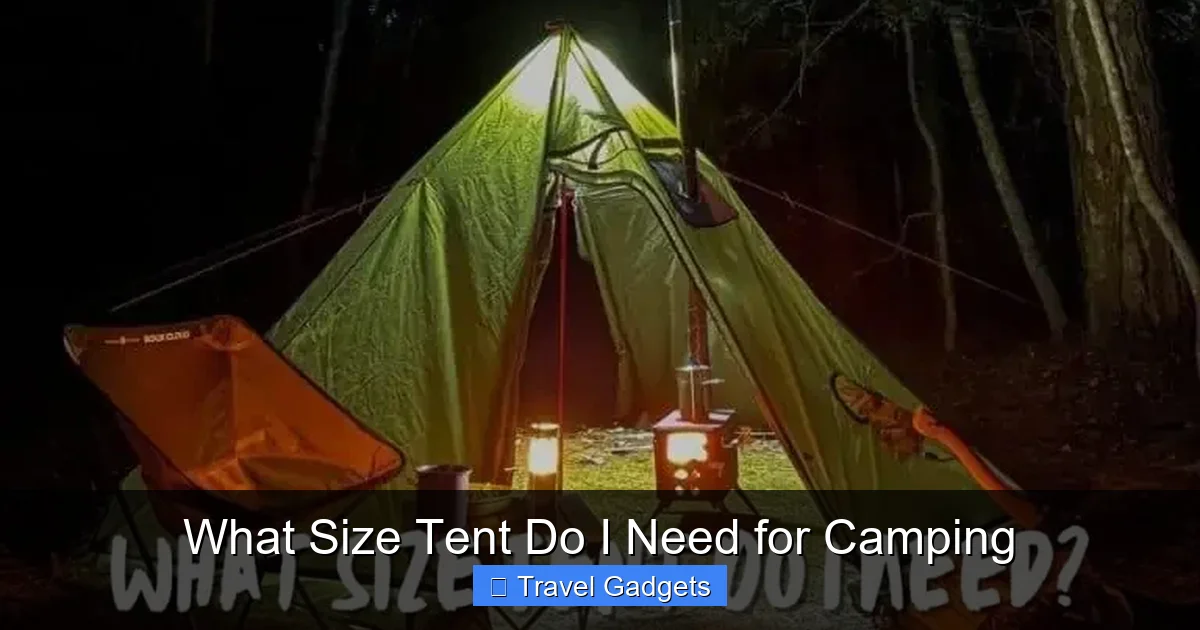
Visual guide about What Size Tent Do I Need for Camping
Image source: wildernesstimes.com
The Difference Between Rated Capacity and Real-World Use
A “2-person tent” is designed to fit two people comfortably without gear. Add a backpack, sleeping bag, and overnight essentials, and suddenly it feels tight. Most experts recommend choosing a tent rated for at least one person more than you expect to sleep in it if you plan to bring along any significant amount of equipment.
Find the Best Accommodation Deals
Compare prices from multiple booking platforms and find the best option for your stay.
Compare Hotel PricesFor example:
- A couple who only brings a lightweight sleeping pad and a small daypack might be fine in a 2-person tent.
- But if you’re bringing a bulky sleeping bag, a pillow, a cooler, and a change of clothes, consider upgrading to a 3-person tent.
Footprint vs. Interior Space
Many tents come with an included footprint (a protective ground cloth), but even with one, the usable floor space rarely matches the tent’s stated capacity. Look at floor dimensions instead of just person count. A 4-person dome tent might have a 70-square-foot interior, which feels roomy when empty—but becomes crowded fast when everyone’s trying to sit up or store bags.
Find the Best Accommodation Deals
Compare prices from multiple booking platforms and discover the best stay options available.
⭐ Trusted by thousands of travelers
💰 Budget to luxury options available
Pro Tip: Measure your sleeping pad and sleeping bag together. Then compare that length and width to the tent’s interior dimensions. If your gear doesn’t fit diagonally, don’t buy it.
Choosing the Right Tent Based on Group Size
Let’s talk practicality. Here’s a quick breakdown of tent sizes based on typical group configurations.
Best Stay Deals Available
Compare prices across top booking platforms and find the best deal for your stay.
Check Available RoomsVisual guide about What Size Tent Do I Need for Camping
Image source: wildernesstimes.com
Solo Campers: One-Person Tents
If you’re traveling alone—especially for backpacking—a 1-person tent is your best friend. These ultra-compact shelters weigh under 2 pounds and pack into a tiny bundle. They’re designed for efficiency, not luxury.
Best for:
- Thru-hikers on long-distance trails
- Minimalist campers who value weight savings
- Those who prioritize speed over space
Downside? You’ll likely need to share the tent with your backpack unless you’re using a bivy or tarp setup. Also, standing up is nearly impossible unless it’s a tall-wall model.
Couples: Two-Person Tents
Most popular for weekend trips, two-person tents offer a sweet spot between portability and comfort. They typically weigh 4–6 pounds and provide enough room for two adults and moderate gear.
Look for models with:
- Large vestibules (at least 12 square feet combined)
- Freestanding designs
- Good ventilation and mesh panels
Popular brands like REI Co-op Half Dome and Coleman Sundome offer excellent two-person options that balance price, weight, and features.
Families & Large Groups: Three-Plus Person Tents
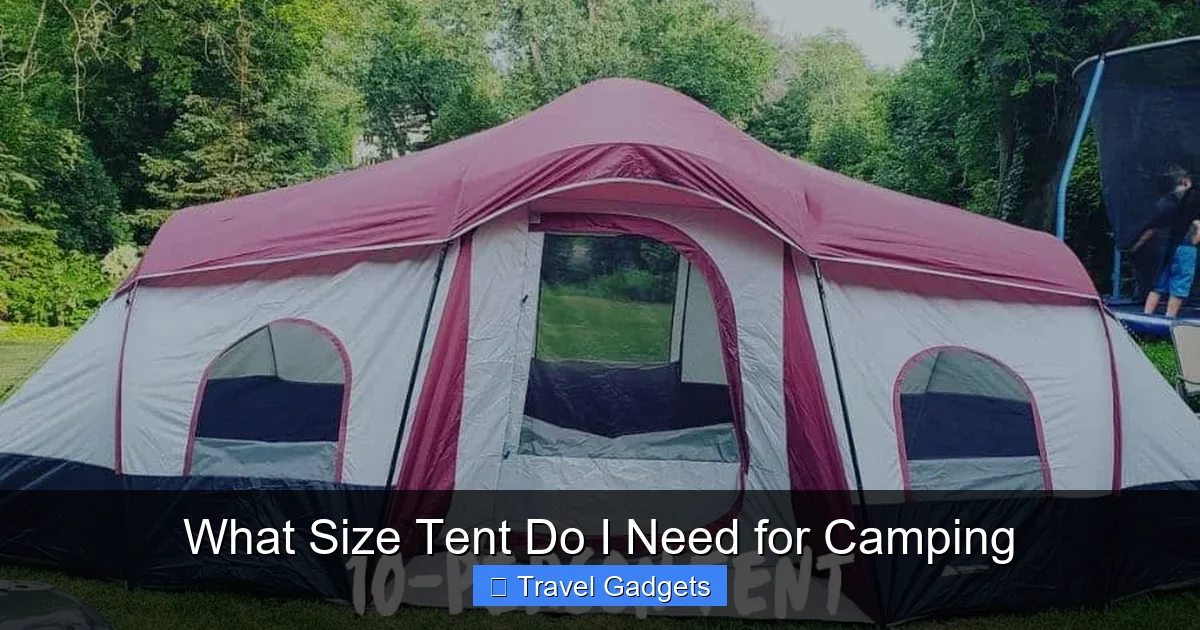
If you’ve got kids, pets, or just love having extra elbow room, a 3+ person tent is essential. These often come in tunnel or cabin styles with multiple rooms or dividers.
Features to look for:
- Separate bedrooms (great for privacy and temperature control)
- Central living area for cooking or relaxing
- Multiple doors and large vestibules
For example, the Core 8-Person Instant Cabin Tent allows you to pitch in under 5 minutes and includes electrical cord access—perfect for car camping weekends.
Backpacking vs. Car Camping: Different Needs, Different Sizes
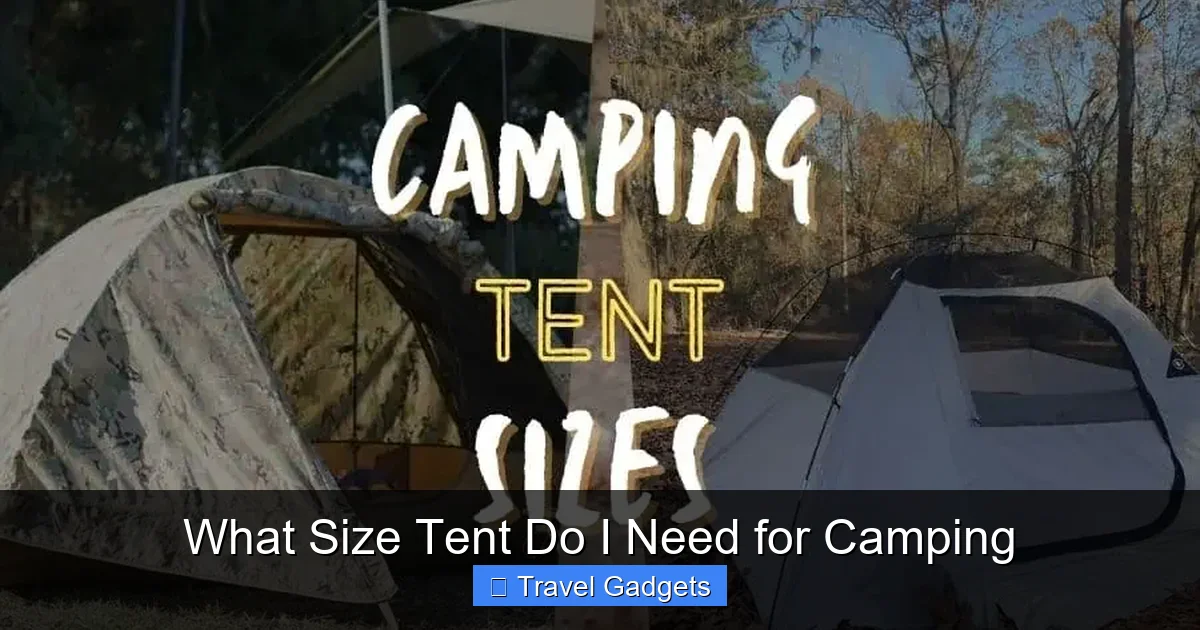
Your tent choice should align with how you travel. Backpacking demands different priorities than car camping.
Visual guide about What Size Tent Do I Need for Camping
Image source: wildernesstimes.com
Backpacking Tents: Lightweight & Compact
These tents prioritize weight and packed size over square footage. Think single-wall or double-wall designs weighing 2–4 pounds.
Common types:
- Dome tents (lightweight, easy to set up)
- Tunnel tents (more interior space, heavier)
- Bivvy sacks (no tent body, just a waterproof shell)
Even though they’re small, some backpacking tents surprise you with clever layouts. For instance, the MSR Hubba Hubba NX 2 offers a spacious interior despite its compact footprint—thanks to high peaks and vertical walls.
Car Camping Tents: Room to Roam
When you drive to your campsite, you don’t need to worry about weight or pack size. So why not go big?
Car camping tents often feature:
- Over 100 square feet of living space
- Standing headroom (up to 7 feet!)
- Multiple rooms and windows
- Rope-free guy lines and easy-pitch poles
Imagine pitching a 12×12-foot tent with a fold-out table and charging station. That’s the dream—and it’s totally achievable with the right camping tent.
Weather Considerations and Tent Size
The weather at your destination plays a huge role in tent selection—and sometimes, size affects performance more than you think.
Wind Resistance and Stability
Larger tents catch more wind. While that sounds obvious, it’s important: a 6-person tent with flimsy poles might flap like a flag in a gale, while a well-designed 2-person tent could stay rock-solid.
Look for:
- Reinforced pole sleeves
- Multiple guylines and tensioning loops
- Low-profile shapes (dome tents handle wind better than straight-walled cabins)
Ventilation and Condensation
More space = more air movement… but also more surface area for condensation buildup. In humid climates, smaller tents can actually be better because they warm up faster and dry out quicker after rain.
If you’re camping in the Pacific Northwest, where humidity runs high, consider a tent with excellent mesh coverage and adjustable vents. Even a slightly smaller tent may outperform a larger one in damp conditions.
Practical Tips for Packing and Setup
Once you’ve picked the right tent size, knowing how to use it makes all the difference.
Use the Vestibule Wisely
Vestibules aren’t just for show—they’re storage zones. Keep your dirty boots, wet jackets, and muddy shoes here. Some campers even cook on the vestibule floor (with proper fire safety!).
Sleeping Bag Storage
Never store your sleeping bag inside the tent unless it’s dry. Moisture ruins insulation over time. Instead, roll it loosely in a stuff sack and place it on top of your sleeping pad or outside in a mesh bag.
Elevate Your Gear
Use a raised bed platform or cots to keep your sleeping area clean and dry. This also creates more floor space underneath for shoes, coolers, or extra blankets.
Future-Proofing Your Tent Choice
You might think, “I only need this for now,” but life changes. Maybe next year you’ll adopt a dog. Or plan a multi-generational family reunion. Or simply decide you want more room for reading under the stars.
Consider buying a tent slightly larger than your current needs. It’s easier than trying to upgrade later. Plus, extra space never hurts—especially during unexpected weather delays or late arrivals.
Conclusion: Match the Tent to Your Adventure
There’s no one-size-fits-all answer to “what size tent do I need for camping.” It depends on who’s coming, where you’re going, how you’re getting there, and what kind of experience you want.
If you’re backpacking through Patagonia, a 1-person ultralight shelter is ideal. If you’re hosting a backyard glamping party, a 10-person cabin tent with fairy lights is perfect. And if you’re just starting out, don’t underestimate the joy of a cozy 2-person tent for two under the Milky Way.
Remember: the best camping tent isn’t necessarily the biggest or the most expensive—it’s the one that fits your lifestyle, supports your adventure style, and gives you confidence when you step into the great outdoors.
Frequently Asked Questions
How many people should sleep in a 2-person tent?
A 2-person tent is designed for two people without gear. With full-sized sleeping bags, pads, and backpacks, it can feel tight—so stick to two for optimal comfort.
Can I use a 3-person tent for 2 people?
Absolutely! Many campers prefer larger tents for extra storage, standing room, and comfort—especially if you’re car camping or bringing pets or gear.
Do I need a bigger tent if I have a dog?
Yes—dogs need space to move, eat, and relieve themselves. Add at least one extra person’s worth of tent capacity for your furry companion.
Are taller tents worth the cost?
If you plan to stand up or store upright items (like coolers or suitcases), yes. Taller tents improve comfort and usability, especially in car camping setups.
What’s the difference between a 4-season and 3-season tent?
4-season tents are sturdier, lower-profile, and built for snow and extreme cold. 3-season tents offer more ventilation and are lighter—ideal for spring through fall.
Should I buy a tent with or without a footprint?
Always use a footprint—even if it’s not included. It protects the tent floor from abrasion and extends the fabric’s lifespan significantly.