
How cold is too cold for tent camping? Most experts agree that temperatures below 20°F (-7°C) become dangerous without proper gear and experience. While experienced campers can handle sub-freezing weather with the right equipment, beginners should avoid conditions under 32°F (0°C). The key lies in understanding wind chill, moisture control, and layering systems. This guide covers everything from sleeping bag ratings to emergency preparedness so you can camp safely in winter—or know when to turn back.
Key Takeaways
- Below 20°F (-7°C): Requires advanced gear and skills; not recommended for beginners or casual campers.
- Wind Chill Matters: Even at 15°F (-9°C), wind chill can drop temps to life-threatening levels—always check forecasts.
- Moisture Control Is Critical: Wet insulation loses 80% of its warmth; use waterproof tents and vapor barriers.
- Layering Is Key: Use the three-layer system (base, mid, shell) to trap heat and manage sweat.
- Know Your Gear Ratings: A “comfort” rating means you’ll be comfortable down to that temp; a “limit” means survival only.
- Emergency Plan Required: Always carry extra food, water, fire-starting tools, and a way to signal for help.
- Altitude & Weather Patterns: High elevations and sudden storms can make cold weather far more dangerous than expected.
📑 Table of Contents
- What Temperature Is Too Cold for Tent Camping?
- How Cold Is Actually Safe for Tent Camping?
- Understanding Sleeping Bag Ratings
- Essential Gear for Cold Weather Camping
- Safety First: Recognizing Hypothermia Risks
- Practical Tips for Staying Warm in the Cold
- When Should You Turn Back?
- Conclusion: Respect the Cold, Prepare Thoroughly
What Temperature Is Too Cold for Tent Camping?
Let’s get one thing straight: tent camping in cold weather isn’t about how low the thermometer goes—it’s about what you do when it gets there. Sure, some hardcore adventurers brave -20°F (-29°C) nights in Alaska or the Rockies, but they’re pros with decades of experience, top-tier gear, and a deep respect for nature’s chill. For most of us, though, knowing when it’s too cold to sleep under the stars means understanding your limits—and your gear.
Check the latest prices and available rooms before they sell out.
When we talk about “too cold,” we’re usually referring to conditions that increase your risk of hypothermia, frostbite, or just plain misery that ruins the whole trip. But here’s the truth: there’s no single magic number. A 10°F (-12°C) night might feel brutal if you’re unprepared, while a 25°F (-4°C) night could be cozy with the right setup. The difference often comes down to wind, moisture, elevation, and how well-insulated your tent is. So instead of asking “What’s the coldest temperature?”—let’s ask: What makes cold weather truly dangerous—and how do you stay safe?
How Cold Is Actually Safe for Tent Camping?
General Guidelines by Experience Level
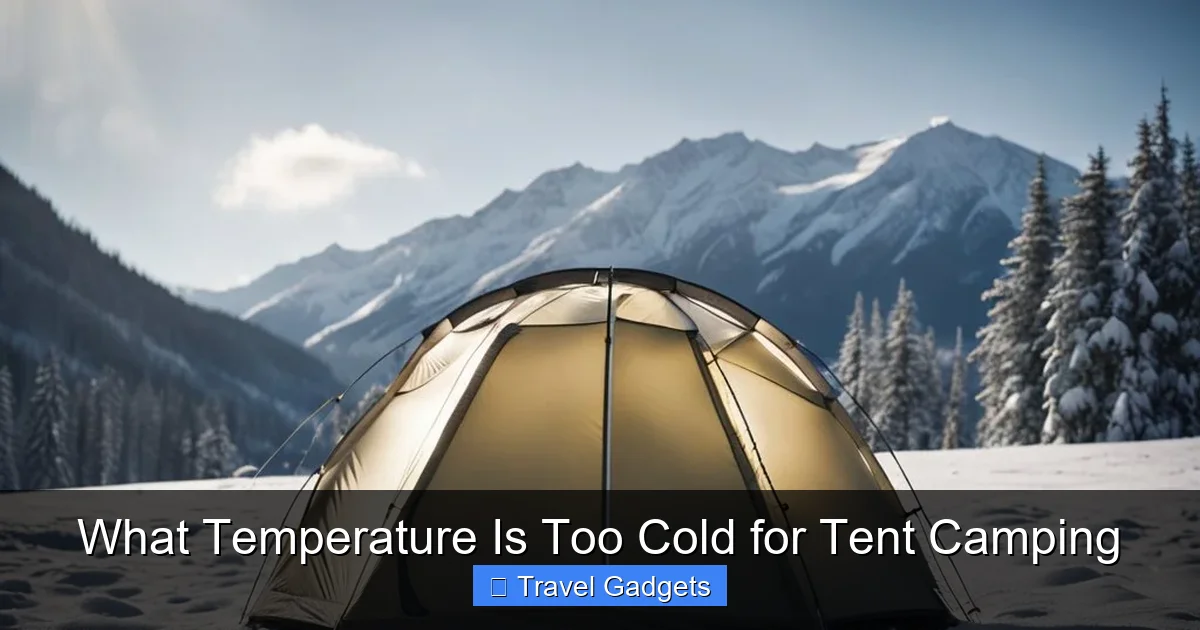
If you’re new to camping—or even moderately experienced—you should generally avoid temperatures below 32°F (0°C). At this point, water freezes, and your body starts working harder to maintain core temperature. You’ll need a four-season tent, a sleeping bag rated for at least 10–15°F (-12 to -9°C) below your expected low, and serious layering.
Visual guide about What Temperature Is Too Cold for Tent Camping
Image source: thewanderingcamper.com
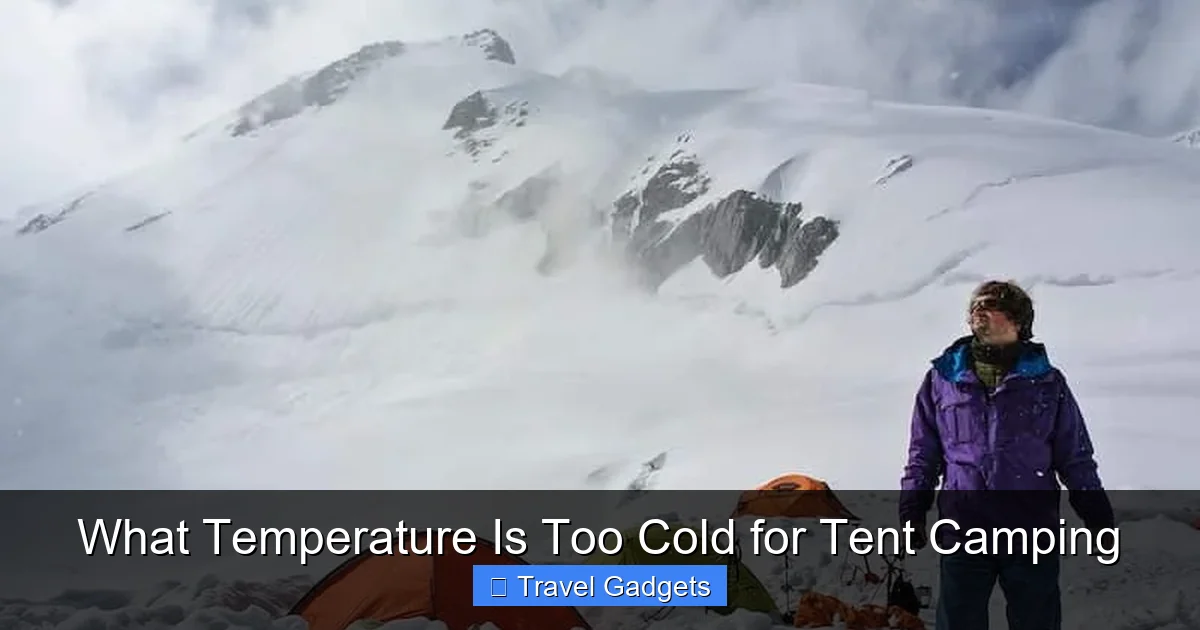
Experienced campers with proper gear can push into the 10–15°F (-12 to -9°C) range comfortably. Only those with years of winter camping under their belts and full expedition-level equipment should consider going below 0°F (-18°C). Anything colder demands specialized knowledge: avalanche safety, crevasse rescue skills, and the ability to build emergency shelters fast.
Wind Chill: The Real Killer
Here’s where things get tricky: the temperature reading on your phone isn’t always the danger. Wind chill—the perceived cooling effect of moving air—can make 15°F (-9°C) feel like 5°F (-15°C). In high winds, hypothermia can set in faster because exposed skin loses heat rapidly. That’s why a sheltered campsite matters as much as your sleeping bag.
Find the Best Accommodation Deals
Compare prices from multiple booking platforms and find the best option for your stay.
Compare Hotel PricesFor example, if it’s 10°F (-12°C) with a 20 mph wind, wind chill drops to around -5°F (-21°C)—dangerous territory even for seasoned campers. Always check local weather apps that factor in wind speed and humidity. If the forecast says “feels like -10°F,” assume that’s the real threat level.
Understanding Sleeping Bag Ratings
ISO Standards Explained
Sleeping bags come with two main ratings: comfort and limit. These follow ISO 23537 standards used worldwide. The comfort rating is the lowest temp at which an average woman will sleep comfortably all night. The limit rating is the lowest temp at which an average man can survive—but only barely.
Find the Best Accommodation Deals
Compare prices from multiple booking platforms and discover the best stay options available.
⭐ Trusted by thousands of travelers
💰 Budget to luxury options available
Visual guide about What Temperature Is Too Cold for Tent Camping
Image source: globalbackpackers.com
Best Stay Deals Available
Compare prices across top booking platforms and find the best deal for your stay.
Check Available RoomsSo if your bag says “Comfort: 0°F (-18°C), Limit: -10°F (-23°C),” don’t plan to camp at -15°F unless you’re male and extremely fit. And never rely solely on the label—real-world conditions like dampness or poor airflow can cut effective warmth by half.
Down vs. Synthetic Fill
Down bags are lighter, pack smaller, and offer better warmth-to-weight ratios—but they lose insulation when wet. Synthetic bags trap moisture better and dry faster, making them safer in humid or rainy cold. If you’re camping in areas where snowmelt or condensation is likely, synthetic might be wiser despite added bulk.
Essential Gear for Cold Weather Camping
Tents Built for Winter
A true four-season tent isn’t just stronger—it’s designed to shed snow, block wind, and prevent ice buildup. Look for features like:
- Sloped sides (to shed snow)
- Reinforced poles and guy lines
- Double doors and vestibules (for drying gear)
- Full-coverage rainfly (no mesh panels!)
Even then, never pitch your tent directly under trees—they collect snow and can snap branches in storms.
Visual guide about What Temperature Is Too Cold for Tent Camping
Image source: thetentadvisor.com
Ground Insulation Beyond a Pad
Your sleeping pad does more than elevate you from the ground—it stops conductive heat loss through the earth. In sub-zero temps, even a good foam pad may not cut it. Consider adding:
- A closed-cell foam pad underneath your insulated pad
- A vapor barrier liner (like Thermolite) to reduce condensation
- A tarp or groundsheet to keep snow from melting onto your pad
Pro tip: pre-heat your sleeping bag by putting a hot water bottle inside before bed.
Safety First: Recognizing Hypothermia Risks
Signs to Watch For
Hypothermia doesn’t happen overnight. Early signs include shivering, fatigue, confusion, and slurred speech. As it progresses, shivering stops (because muscles are too cold to move), pupils dilate, and breathing becomes shallow. At this stage, death can occur within minutes.
If someone shows these symptoms, stop the trip immediately. Get them indoors (if possible), remove wet clothes, wrap them in dry blankets, and offer warm (not hot!) drinks. Never give alcohol—it accelerates heat loss.
Prevention Over Treatment
The best defense against hypothermia is prevention. That means:
- Dressing in layers so you can adjust based on activity
- Staying dry—wet socks or underwear are deadly
- Cooking inside your tent (with ventilation!) to melt snow for water
- Eating high-calorie foods every few hours
Remember: calories burn faster in the cold. Bring peanut butter, nuts, and energy bars—not just crackers.
Practical Tips for Staying Warm in the Cold
The Three-Layer Clothing System
This isn’t just for fashion—it’s survival science.
- Base Layer: Moisture-wicking fabric (merino wool or synthetic) keeps sweat away from skin.
- Mid Layer: Insulating fleece or down/synthetic jacket traps body heat.
- Outer Shell: Waterproof/breathable jacket blocks wind and snow while letting moisture escape.
Add balaclavas, mittens (mittens keep fingers warmer!), and gaiters to seal gaps. Don’t forget hand and foot warmers—they’re cheap, lightweight, and lifesavers.
Cooking and Hydration Hacks
In freezing temps, dehydration happens faster due to increased respiration. Always melt snow for water—never eat snow directly (it lowers body temperature). Use a small stove inside your tent (with open venting) to boil water quickly. A French press or insulated mug helps retain heat longer.
Also, cook meals early in the day so you have time to digest before bed. Avoid caffeine late—it causes vasodilation, which pulls heat from your core.
When Should You Turn Back?
Sometimes, no amount of gear or grit can save you. Know your limits. If:
- Wind speeds exceed 30 mph
- Forecasts predict whiteout conditions or blizzards
- You’re not fully acclimated to the altitude
- Your gear isn’t rated for the expected lows
…then it’s time to pack up. Safety always beats stubbornness. Better to miss one trip than end up in a hospital.
And remember: solo camping in extreme cold is risky. Always tell someone your itinerary, carry a satellite communicator (like Garmin inReach), and file a plan with park rangers if required.
Conclusion: Respect the Cold, Prepare Thoroughly
So, what temperature is too cold for tent camping? Technically, any temperature can be survived with the right preparation. But realistically, below 20°F (-7°C) is pushing it unless you’re highly skilled and equipped. Below 10°F (-12°C), you’re entering professional-grade territory—and that’s okay! Not everyone needs to camp in polar vortices to enjoy the outdoors.
The goal isn’t to conquer the cold—it’s to coexist with it. With proper planning, quality gear, and a healthy dose of caution, you can enjoy crisp, starry nights far beyond the frost line. Just remember: your comfort zone ends where safety begins. When in doubt, bring extra layers, trust your instincts, and never underestimate Mother Nature’s bite.
Frequently Asked Questions
Can I camp in 0°F weather in a tent?
Yes, but only if you have a four-season tent, a sleeping bag rated for at least -10°F (-23°C), and solid cold-weather skills. Wind protection and moisture management are critical—otherwise, 0°F can feel like -20°F.
Is it safe to sleep in a tent at -10°F (-23°C)?
Only for experienced campers with proper gear. At this temperature, hypothermia risk rises sharply. Ensure your shelter is snow-shedding, well-insulated, and free of drafts. Never rely on a three-season tent—it won’t hold up.
What happens if I get wet while camping in the cold?
Wet clothing or gear can drop your body temperature rapidly. Water conducts heat away from your body 25x faster than air. Change into dry clothes immediately if you get wet, and avoid sweating excessively during physical exertion.
Do I need special boots for cold-weather camping?
Absolutely. Insulated, waterproof boots with good traction are non-negotiable. Pair them with thin liner socks and thick wool or synthetic outer socks. Bring spare pairs—even if you stay dry, your feet cool down fast at night.
Can I use a regular cooler to melt snow for water?
No—metal or plastic coolers conduct cold and can crack in extreme temps. Use a metal pot, Dutch oven, or dedicated snow-melting container. Place it near a stove inside your tent (ventilated!) to melt snow efficiently.
How do I prevent ice forming inside my tent?
Ice forms from condensation when moist air meets cold surfaces. Minimize this by:
- Blowing out your stove before bed
- Using a dehumidifier or silica gel packs
- Keeping breathable layers on while cooking
- Ventilating your tent slightly at night (but not so much that snow blows in)
If ice builds up, gently brush it off—don’t chip it, as shards can fall onto you.