
Planning a group camping trip? Choosing the right tent is key to comfort and safety. You’ll need space, durability, and smart design features like room dividers and ventilation. This guide walks you through what to look for so your team stays cozy, organized, and protected from the elements.
Planning a long-term group camping adventure? Whether it’s a weekend with friends, a family reunion in the woods, or a multi-week expedition with scouts or coworkers, having the right tent makes all the difference. You’re not just buying shelter—you’re investing in comfort, safety, and shared experiences. The best tents for group long-term camping balance space, durability, and ease of use, so everyone can rest well and stay dry no matter what nature throws at you.
Check the latest prices and available rooms before they sell out.
But with so many options out there—pop-up tents, cabin-style shelters, geodesic domes—it’s easy to feel overwhelmed. That’s why this guide breaks down everything you need to know: how big should your tent be? What fabric holds up best? And which features actually matter when you’re sleeping under the stars for days (or weeks)?
Let’s dig into the details so you can choose wisely and focus on what really counts—making memories around the campfire.
Key Takeaways
- Durable Materials Matter: Look for polyester or nylon with strong coatings—they hold up longer in wet conditions.
- Size Is Everything: Choose a tent that fits your group comfortably with extra room for gear storage.
- Ventilation & Condensation Control: Mesh panels and adjustable vents prevent moisture buildup inside the tent.
- Easy Setup & Portability: Pole tents or freestanding designs save time and work well in established campsites.
- Weather Resistance: A high waterproof rating (3000mm+) and sturdy poles help withstand wind and rain.
- Storage & Organization: Internal pockets, gear lofts, and vestibules keep things tidy during long trips.
- Budget vs. Longevity: Investing in quality pays off over time—especially for repeated group use.
📑 Table of Contents
Why Tent Choice Matters for Group Camping
When you’re camping with others, your tent isn’t just personal space—it’s a shared home base. A poorly chosen tent can turn a fun getaway into a cramped, damp, and frustrating experience. Think about it: if half the group has to sleep on the floor because there aren’t enough beds, morale drops fast. Or worse, condensation builds up overnight, making everyone miserable and ruining gear.
For group long-term camping, your tent needs to do more than keep the rain out. It should offer room to breathe, space for backpacks, and protection from insects and cold. Plus, if you’re setting up in one spot for several days, you want something quick to assemble and sturdy enough to handle changing weather.
That’s why understanding your group’s size, destination climate, and how long you’ll be out there is step one. From there, we’ll walk through material types, setup styles, and must-have features—so you end up with a shelter that feels like home, not just a roof over your head.
Choosing the Right Size for Your Group
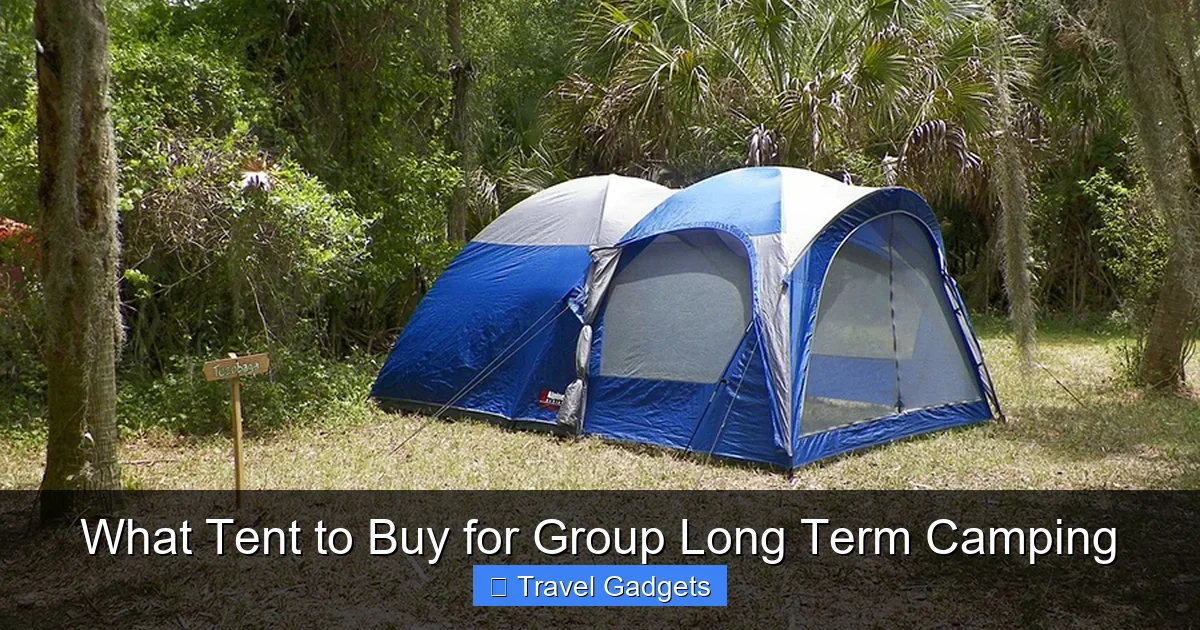
Visual guide about What Tent to Buy for Group Long Term Camping
Find the Best Accommodation Deals
Compare prices from multiple booking platforms and find the best option for your stay.
Compare Hotel PricesImage source: clairesfootsteps.com
One of the most common mistakes is picking a tent based only on how many people it’s labeled for. But real comfort requires breathing room—not just between bodies, but for gear too.
Find the Best Accommodation Deals
Compare prices from multiple booking platforms and discover the best stay options available.
⭐ Trusted by thousands of travelers
💰 Budget to luxury options available
Most manufacturers list tent capacity using the “sleeping area” standard. For example, a 6-person tent might only have enough floor space for six people plus a small table. If you’re packing sleeping bags, pads, backpacks, and cooking supplies, that quickly becomes crowded.
Rule of thumb: Add one extra person beyond your actual group size. So if you’re camping with four people, go for an 8-person tent. This gives you space for shared items, easier movement, and better airflow.
Also consider the shape. Rectangular or cabin-style tents usually offer more usable floor space than dome tents. They often come with vertical walls, which means higher ceilings and more storage options—like closets or gear rooms.
Best Stay Deals Available
Compare prices across top booking platforms and find the best deal for your stay.
Check Available RoomsPro tip: Test setup at home. Lay out the footprint and see how much elbow room you really get. Nothing beats seeing it in person before trusting it in the wild.
Understanding Tent Fabrics and Weatherproofing
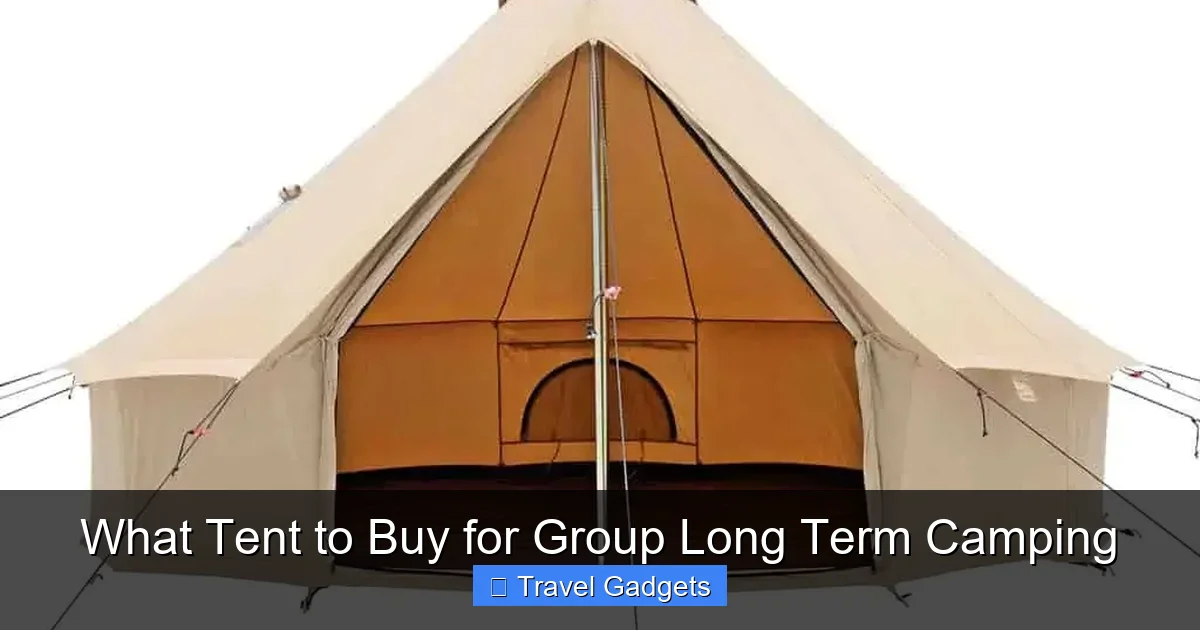
Visual guide about What Tent to Buy for Group Long Term Camping
Image source: wildernesstimes.com
The fabric of your tent determines how well it handles rain, sun, and wear—three big concerns during extended outdoor stays.
Most reliable tents use ripstop polyester or nylon for the shell, coated with polyurethane (PU) or silicone for waterproofing. Polyester tends to be heavier but resists UV damage better over time. Nylon is lighter and dries faster, but may degrade slightly in intense sunlight.
Look for a waterproof rating of at least 3000mm. Anything below that risks leaks during heavy rain. Also check the seams—fully taped seams are essential for keeping water out where panels meet.
Another layer to consider is the rainfly. A good rainfly covers the outer mesh, reducing condensation while still allowing airflow. Some models even double as sunshades in hot climates.
Don’t forget the floor. Most tents come with a bathtub-style floor (curved upward at the edges), which helps divert water away from the sides. Reinforced floors last longer when you’re walking in and out daily.
Best Tent Styles for Groups: Dome vs. Cabin vs. Geodesic
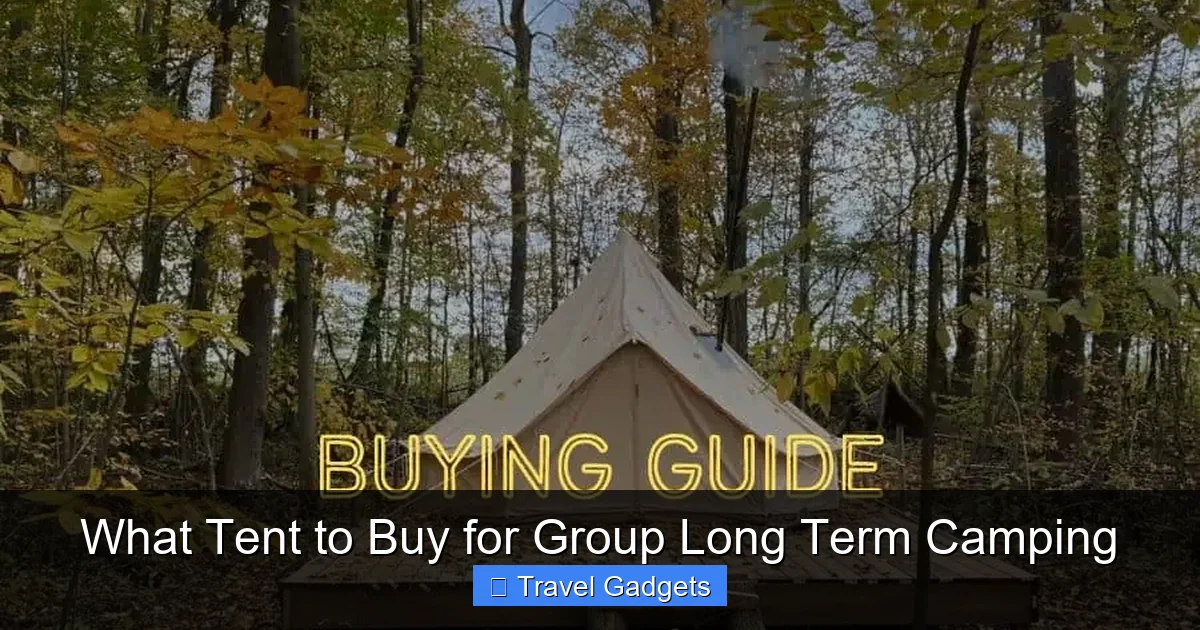
Visual guide about What Tent to Buy for Group Long Term Camping
Image source: wildernesstimes.com
Not all tent shapes are created equal—and some work better than others for group camping.
Dome tents are lightweight and fast to set up, making them popular among hikers and backpackers. However, they don’t offer much vertical space, and wind can push them around unless anchored well. Not ideal if you plan to spend hours inside during bad weather.
Cabin-style tents have straight walls and high peaks—think of a tiny house. These give you standing room, built-in closets, and tons of storage. Perfect for car camping where weight isn’t a concern. Brands like Coleman and REI sell excellent models in this category.
Then there’s the geodesic tent. Designed by naturalist Gene Stratton-Porter and later adopted by NASA, these feature intersecting struts that distribute stress evenly. They’re extremely stable in high winds and snow loads—ideal for alpine or remote expeditions. Just note: they’re bulkier and pricier.
For most group campers, a large cabin-style tent strikes the best balance between space, comfort, and weather resistance. If mobility matters, a spacious dome with a footprint extension can also work well.
Essential Features for Long-Term Comfort
Beyond basics like poles and zippers, certain features make extended camping truly enjoyable.
Ventilation is non-negotiable. Mesh panels on the doors and windows allow airflow without letting bugs in. Look for tents with multiple vents and adjustable ones so you can tweak airflow based on humidity or temperature.
Condensation control saves sleep. When warm breath meets cool air inside the tent, moisture forms droplets on the ceiling. Tents with strategic vent placement and reflective flooring help reduce this.
Storage solutions keep chaos at bay. Internal pockets for phones and flashlights, gear lofts for lanterns, and side tables make life easier. Vestibules—the covered areas outside the main door—are goldmines for stashing muddy boots or cooking gear without bringing it inside.
Ease of setup matters when you’re tired after a hike. Freestanding tents with color-coded poles take minutes to pitch. Avoid models that require complex guy lines or specialized tools.
Finally, consider accessibility. Wide zipper openings, low-profile doors, and roll-up windows help kids, seniors, or anyone with mobility issues move in and out comfortably.
Setting Up Camp for Extended Stays
Once you’ve got the perfect tent, how you set it up affects comfort for days (or weeks). Start by choosing a flat, dry spot with good drainage—never pitch directly in a streambed or low-lying area that collects water.
Use a footprint or ground tarp underneath. This protects the tent floor from abrasion and adds insulation. Secure guy lines tightly; loose ropes flap in the wind and wear out fast.
Organize your interior early. Designate zones: sleeping, cooking, gear storage. Hang food bags away from the tent to avoid attracting wildlife. Use tarps or canopy extensions if you need shaded dining areas.
Maintenance is key. After each trip, clean the tent with mild soap and let it air-dry completely before storing. Never pack a wet tent—it breeds mold and weakens fabrics.
And remember: rotate your camping spots every few days if possible. Overused ground compacts soil and reduces plant recovery, which is better for the environment and future campers.
Top Picks for Group Long-Term Camping
While specific product recommendations change, here are categories worth exploring:
– **Coleman Sundome 10-Person**: Great value, easy setup, decent weather resistance.
– **REI Co-op Kingdom 8-Person**: Spacious interior, excellent ventilation, durable build.
– **ALPS Mountaineering Lynx 10-Person**: Lightweight yet roomy, ideal for car campers who want portability.
– **MSR Access 4/6-Person**: Strong in wind, good for mountainous regions.
– **Big Agnes Copper Spur HV UL 8-Person**: Premium ultralight option for experienced groups willing to pay more.
Always read recent reviews and test setups if possible. What works in theory might fall short in practice.
Frequently Asked Questions
How big should my tent be for 6 people?
An 8- to 10-person tent is ideal. This gives each person enough space and room for shared gear, improving comfort during long-term stays.
Can I use a regular tent for months at a time?
Most tents aren’t designed for permanent use. Prolonged exposure to sun, rain, and temperature swings can degrade materials over time—even with proper care.
Should I prioritize weight or space for group camping?
For long-term camping, space wins. You’ll appreciate having room to move, store gear, and stay dry—especially during bad weather.
Do I need a separate footprint?
Yes! A footprint protects your tent’s bottom from sharp rocks and moisture. Many brands sell custom-fit versions—worth the investment.
Are pop-up tents good for groups?
They’re convenient but rarely durable enough for extended use. Save them for day trips or emergency shelter, not multi-night group adventures.
How do I prevent condensation in my tent?
Use mesh doors, open vents partially, avoid hanging wet clothes inside, and ensure airflow with ridge vents. Never seal the tent completely.