
Planning your next camping trip? Don’t let packing slip through the cracks. This guide walks you through what to bring camping in a tent, covering shelter, sleep systems, food, safety gear, and more. From choosing the right sleeping bag to packing lightweight cookware, we’ve got your back so you can focus on making memories under the stars.
Camping in a tent is one of the most rewarding ways to connect with nature—offering solitude, adventure, and a deep sense of peace away from city life. Whether you’re pitching your first tent by a lakeside or returning to your favorite forest loop, being prepared makes all the difference. But let’s be real: forgetting something essential can turn a dreamy getaway into a frustrating ordeal. That’s why knowing what to bring camping in a tent isn’t just helpful—it’s crucial.
Check the latest prices and available rooms before they sell out.
From sturdy shelters to cozy bedding, from reliable lighting to emergency supplies, every item serves a purpose. The goal isn’t just to survive the night; it’s to thrive in the wilderness with comfort, safety, and confidence. So whether you’re a weekend warrior or a seasonal camper, this guide will walk you through everything you need—no fluff, just practical, actionable advice to make your next tent adventure unforgettable.
Key Takeaways
- Essential shelter: Bring a properly sized tent with rainfly, stakes, and a ground tarp to protect against moisture and wind.
- Comfortable sleep: Invest in a quality sleeping bag rated for the season and pair it with a sleeping pad for insulation and cushioning.
- Lightweight cooking: Pack a portable stove, fuel, utensils, and reusable containers to prepare hot meals without hassle.
- Safety first: Always carry a first-aid kit, headlamp with extra batteries, and a reliable multi-tool or knife.
- Food and water: Store food in bear-proof containers if needed, and bring a water filter or purification tablets for safe drinking water.
- Personal items: Don’t forget toiletries, clothing layers, a flashlight, and a power bank to keep devices charged.
- Pack smart: Use organized storage like dry bags and compression sacks to maximize space and protect gear from the elements.
📑 Table of Contents
1. Choosing the Right Tent and Setup Gear
Your tent is your home away from home, so picking the right one—and setting it up correctly—is non-negotiable. A good tent provides shelter from wind, rain, and wildlife, but only if it’s properly assembled and anchored.
Tent Selection Basics
When deciding on a tent, consider size, weather resistance, and ease of setup. For solo trips, a 1-person tent is efficient, while families should look at 4–6 person models with separate rooms or ample vestibules. Look for tents with a high waterproof rating (at least 1500mm), durable polyester fabric, and strong pole construction.
Essential Setup Accessories
Even the best tent needs the right setup gear to perform:
- Ground tarp: Place this under your tent floor to prevent moisture from seeping in. It also adds a layer of protection from sharp roots or rocks.
- Stakes and guylines: Always use them, especially in windy conditions. Metal stakes dig better into soil than plastic ones.
- Footprint: If your tent doesn’t come with one, invest in a custom-fit footprint—it protects the tent floor and extends longevity.
Pro tip: Practice setting up your tent at home before heading out. Nothing ruins a trip faster than fumbling with poles in the dark.
2. Sleeping Systems for Comfort and Warmth
Visual guide about What to Bring Camping in a Tent
Find the Best Accommodation Deals
Compare prices from multiple booking platforms and find the best option for your stay.
Compare Hotel PricesImage source: upgradecamping.com
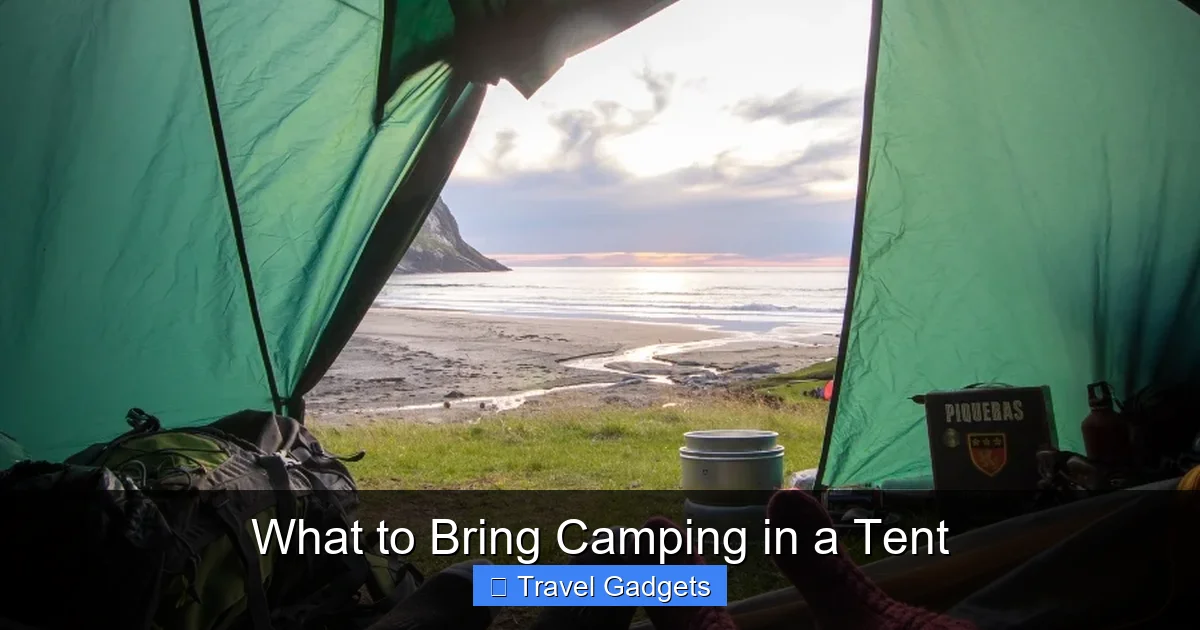
After a long day of hiking or exploring, nothing beats sinking into a soft bed. Your sleeping system—sleeping bag, pad, and pillow—makes or breaks your comfort.
Find the Best Accommodation Deals
Compare prices from multiple booking platforms and discover the best stay options available.
⭐ Trusted by thousands of travelers
💰 Budget to luxury options available
Sleeping Bags: Match Them to the Season
Choose a sleeping bag rated for the lowest temperature you expect. A 3-season bag (rated to 20°F) works for spring, summer, and fall. For winter camping, go for a bag rated below 0°F with down fill for warmth-to-weight efficiency. Synthetic bags are heavier but dry faster if you’re caught in damp conditions.
Insulated Sleeping Pads
Your sleeping pad does double duty: it cushions you off the cold ground and prevents heat loss through conduction. Closed-cell foam pads are cheap and durable; air mattresses offer more comfort but require inflation and can leak. For ultralight backpackers, inflatable pads with R-values above 3.5 provide excellent insulation.
Camping Pillows (or Creative Alternatives)
While bulky pillows aren’t necessary, having something to rest your head on improves sleep. Consider a compact inflatable pillow or even a stuff sack filled with clothes. Some campers swear by using a small inflatable air cushion designed for backpacking.
Best Stay Deals Available
Compare prices across top booking platforms and find the best deal for your stay.
Check Available Rooms3. Cooking and Food Essentials
Visual guide about What to Bring Camping in a Tent
Image source: i.pinimg.com
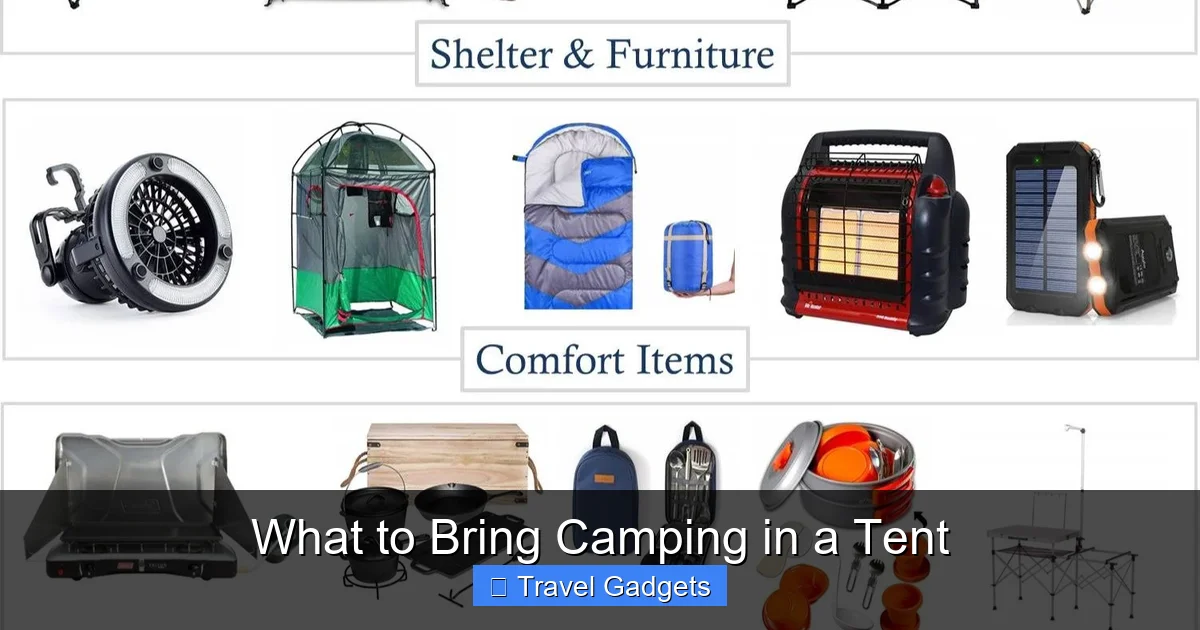
Nothing brings a group together like a warm meal cooked over a crackling fire—or a quiet dinner with a portable stove. Planning your food and cooking gear ensures you stay energized and satisfied.
Portable Stoves and Fuel
Canister stoves are lightweight and easy to use; wood-burning stoves are eco-friendly but require dry fuel and ventilation. Liquid fuel stoves work well in cold weather. Always bring extra fuel—calculate about 1 ounce per person per day for boiling water or cooking simple meals.
Utensils and Cookware
Pack lightweight, collapsible cookware: a pot with lid, spatula, tongs, and a spork. A Dutch oven (if allowed) is great for group cooking, but a single pot often suffices for solo or couple trips. Don’t forget biodegradable soap and a sponge for cleanup.
Food Storage and Safety
Store food and scented items in bear-resistant containers or hang them high in a “bear bag” if required. Keep perishables cool with a small cooler or insulated lunch box. Plan meals ahead—freeze water in bottles to save weight and use it later as ice blocks.
4. Safety and Emergency Preparedness
Visual guide about What to Bring Camping in a Tent
Image source: glugleglutenfree.com
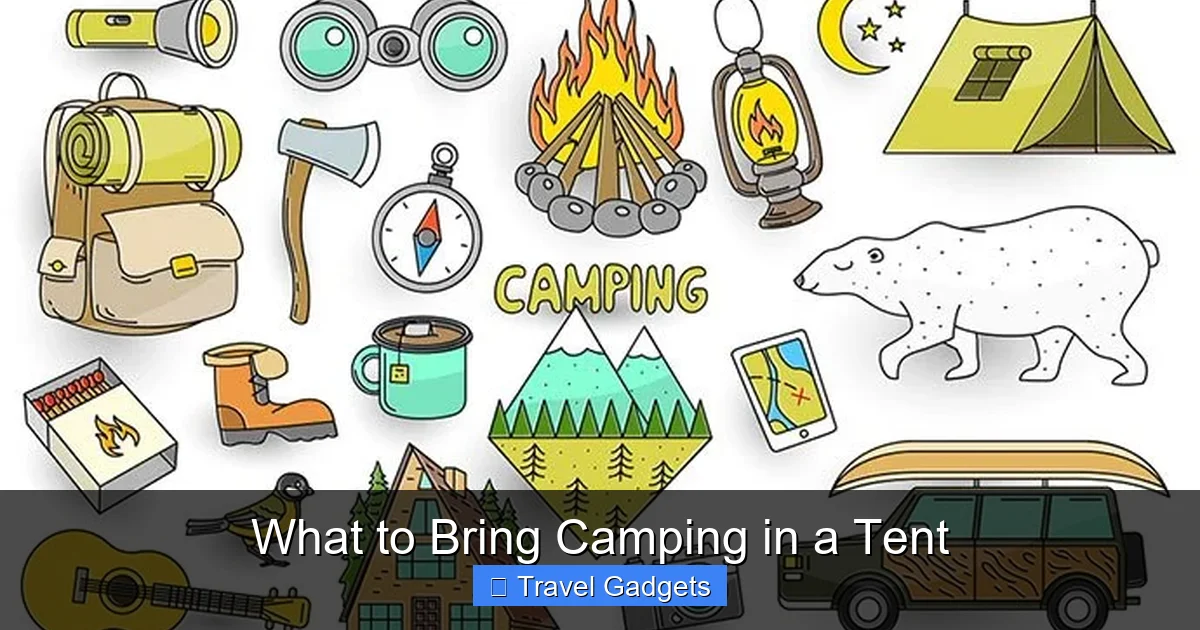
Even experienced campers face unexpected challenges. Being ready minimizes risks and keeps everyone calm.
First-Aid Kit
A well-stocked first-aid kit is a must. Include bandages, antiseptic wipes, blister treatment, tweezers, pain relievers, and any personal medications. Add a small sewing kit or duct tape for quick repairs.
Lighting and Communication
Bring a reliable headlamp—both hands-free operation and brightness matter. Pack extra batteries or a solar-powered charger. A whistle, signal mirror, and emergency blanket can be lifesavers in distress. If cell service is spotty, consider a satellite communicator like a Garmin inReach.
Navigation Tools
Carry a physical map and compass, even if you have GPS. Know how to read topo maps and identify landmarks. Let someone know your itinerary and expected return time.
5. Clothing and Personal Items
What you wear affects your comfort and safety more than you think. Layering is key—especially in variable mountain or forest climates.
Dress in Layers
Use the “base-mid-outer” layering system:
- Base layer: Moisture-wicking fabrics like merino wool or synthetic blends.
- Mid layer: Fleece or down jacket for insulation.
- Outer layer: Waterproof and breathable shell jacket and pants.
Don’t forget a wide-brimmed hat, sunglasses, sunscreen, and insect repellent.
Footwear and Socks
Sturdy, broken-in hiking boots are essential. Bring extra socks—wool or synthetic—to keep feet dry. Consider gaiters if you’re in muddy or snowy terrain.
Toiletries and Hygiene
Pack biodegradable soap, toothbrush, toothpaste, hand sanitizer, and a trowel for digging catholes. A small towel or bandana doubles as a drying cloth. Avoid scented products near water sources to protect wildlife.
6. Smart Packing Tips
Even with the best gear, poor organization can lead to frustration. Smart packing saves time, protects equipment, and reduces stress.
Use Dry Bags and Compression Sacks
Keep electronics, clothes, and sleeping bags dry with waterproof dry bags. Use compression sacks to shrink bulky items like sleeping bags and jackets, freeing up critical space.
Roll Instead of Fold
Rolling clothes instead of folding them saves space and reduces wrinkles. Use packing cubes to keep everything neat and accessible.
Weight Distribution Matters
Place heavier items like stoves and food near your back when backpacking. Keep frequently used items like headlamps and snacks easily reachable.
Leave Room for Souvenirs
If you plan to collect rocks, photos, or trail mix leftovers, pack an extra quart-sized bag or small duffel for souvenirs.
Conclusion
Knowing what to bring camping in a tent transforms a simple outdoor outing into a seamless, enjoyable experience. From a well-chosen tent and cozy sleeping system to thoughtful food prep and safety tools, every piece of gear plays a role in your comfort and security. The key isn’t just bringing everything—it’s bringing the right things, packed efficiently, and used wisely.
Remember, the best campsites aren’t always the most scenic—they’re the ones where you feel prepared, rested, and connected to the world around you. So pack smart, stay curious, and embrace the simplicity of life under the stars. With this checklist in hand, you’re not just camping—you’re thriving in nature.
Frequently Asked Questions
What’s the most important thing to bring camping in a tent?
The most important items are shelter (tent), warmth (sleeping bag and pad), and water. Without these, survival becomes difficult. Safety items like a first-aid kit and headlamp are also critical.
How do I keep my tent dry during rain?
Always use a ground tarp under your tent, ensure the rainfly is properly attached, and pitch your tent on level, elevated ground. Avoid low-lying areas where water pools.
Should I bring a pillow camping?
Not necessarily—but a small inflatable pillow or a stuff sack with clothes can improve sleep comfort. Prioritize warmth and support from your sleeping pad instead.
What foods are best for camping?
Stick to lightweight, calorie-dense foods like oatmeal, pasta, peanut butter, dehydrated meals, and freeze-dried dinners. Avoid heavy, greasy items that are hard to cook or clean up.
Do I need a permit to camp in a tent?
Yes, many public lands require permits, especially in national parks or high-use areas. Check with local ranger stations or park websites before your trip.
How much water should I bring camping?
Plan for at least 2 liters per person per day. Use a water filter or purification tablets to refill from natural sources. Carry extra in case of emergencies or hot weather.