
Planning a tent camping trip? You’ll need more than just a sleeping bag and a tent. From reliable shelter to cooking tools and emergency supplies, packing the right gear ensures comfort and safety in nature. This guide walks you through everything you must bring for a successful camping experience. Whether you’re a first-time camper or a seasoned adventurer, these essentials will help you enjoy the great outdoors without stress.
Key Takeaways
- Understanding what to bring for tent camping trips: Provides essential knowledge
📑 Table of Contents
- What to Bring for Tent Camping Trips: Your Ultimate Gear Checklist
- 1. Shelter and Sleeping System
- 2. Cooking and Food Supplies
- 3. Clothing and Footwear
- 4. Lighting and Power
- 5. Navigation and Emergency Gear
- 6. Personal Hygiene and Waste Disposal
- Bonus: Smart Packing Tips
- Conclusion: Be Prepared, Stay Adventurous
What to Bring for Tent Camping Trips: Your Ultimate Gear Checklist
If you’ve ever dreamed of waking up to the sound of birds chirping and the scent of pine trees, tent camping is the perfect way to reconnect with nature. But before you step into the wild, there’s one important question: what to bring for tent camping trips? Unlike glamping where luxury is expected, backcountry adventures demand careful planning. The right gear can mean the difference between a peaceful night under the stars and a chilly, uncomfortable ordeal.
Check the latest prices and available rooms before they sell out.
This article breaks down everything you need—from shelter and sleep systems to cooking equipment and safety tools. Whether you’re heading to a national park or a secluded forest, we’ll walk you through each category so you can pack smart, stay safe, and truly enjoy your outdoor getaway. Let’s dive in.
1. Shelter and Sleeping System
Your tent is your home away from home. Choosing the right one—and knowing how to use it—is critical.
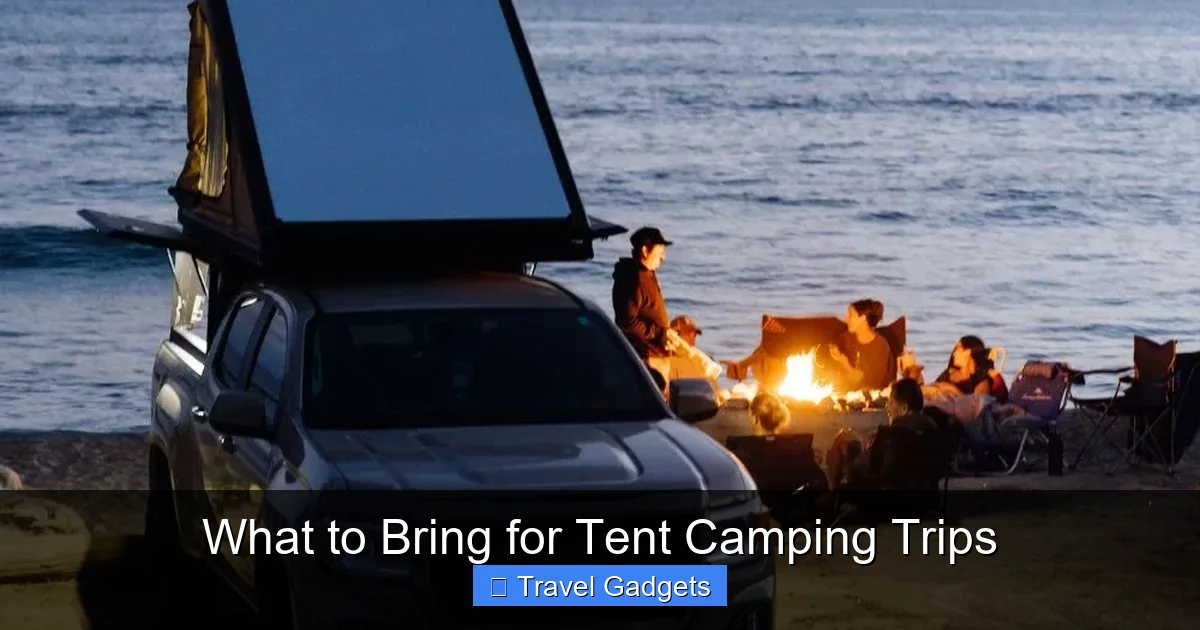
Visual guide about What to Bring for Tent Camping Trips
Image source: superpacificusa.com
Choose the Right Tent
Look for a weather-resistant tent with a strong rainfly and sealed seams. For three-season trips, a 2- or 3-person dome tent works well. If you’re camping in snow or heavy wind, opt for a four-season model with a low profile and reinforced poles. Always check the tent footprint (or bring a ground cloth) to protect the floor from wear and moisture.
Pro tip: Test your tent at home. Set it up on your lawn, pitch it in the rain using a sprinkler, and make sure you know how to secure guy lines and adjust vents.
Find the Best Accommodation Deals
Compare prices from multiple booking platforms and find the best option for your stay.
Compare Hotel PricesSleeping Bag and Pad
Your sleeping bag should match the expected temperature rating of your destination. A rated 30°F bag is ideal for spring and fall camping. Down bags are lightweight and compressible but lose insulation when wet—synthetic is better if you expect rain.
Never forget a sleeping pad! It insulates you from cold ground and adds comfort. Options include foam pads (cheap and durable), self-inflating pads (comfortable), and air mattresses (luxury). In cold conditions, combine a closed-cell foam pad with an insulated air mattress for maximum warmth.
Find the Best Accommodation Deals
Compare prices from multiple booking platforms and discover the best stay options available.
⭐ Trusted by thousands of travelers
💰 Budget to luxury options available
Extra Shelter: Tarp and Ground Cloth
A tarp over your tent adds an extra layer of protection against rain and debris. Use bungee cords or rocks to secure it. Pair it with a thick, durable ground cloth beneath your tent to prevent moisture from seeping in.
2. Cooking and Food Supplies
Nothing ruins a campfire vibe like cold meals or running out of fuel. Proper food prep keeps energy high during long hikes and chilly nights.
Best Stay Deals Available
Compare prices across top booking platforms and find the best deal for your stay.
Check Available RoomsVisual guide about What to Bring for Tent Camping Trips
Image source: thumbs.dreamstime.com
Portable Stove and Fuel
A compact camping stove is essential for boiling water, heating meals, and melting snow. Canister stoves are lightweight and easy to use; liquid fuel stoves work better in extreme cold. Always bring a spare fuel canister and know how to light the stove safely.
Safety note: Never cook inside your tent. Keep stoves at least 15 feet from flammable materials and never leave them unattended.
Utensils and Cookware
Bring a lightweight pot with a lid, a spatula, a spoon, and a knife. A multi-use pot that doubles as a bowl saves space. Don’t forget a spork—it’s a game-changer for camp meals.
For group trips, consider a Dutch oven or backpacking grill for more variety. If you’re roasting marshmallows, bring long-handled skewers.
Food Storage and Cooler
Store food in airtight containers to keep odors down and deter animals. Use a bear-proof container or hang food from a tree if required. For perishables, bring a portable cooler with ice packs or dry ice. Aim to minimize food smells by choosing odorless items and packing leftovers tightly.
Meal Planning Tips
- Pre-cut vegetables and marinate proteins before your trip.
- Use freeze-dried meals for convenience—just add hot water.
- Pack snacks like nuts, granola bars, and jerky for quick energy.
3. Clothing and Footwear
The key to staying comfortable is dressing in layers. Weather changes fast in the wilderness, and cotton is a no-go—it holds moisture and takes forever to dry.
Visual guide about What to Bring for Tent Camping Trips
Image source: thumbs.dreamstime.com
Layering System
Base Layer: Moisture-wicking fabrics like merino wool or synthetic blends keep sweat off your skin.
Mid Layer: Fleece or down jacket for insulation.
Outer Layer: Waterproof and breathable shell jacket and pants.
Don’t skimp on the hat and gloves—even in summer, temperatures drop after sunset.
Footwear Essentials
Wear broken-in hiking boots with good ankle support. Bring two pairs of moisture-wicking socks per day, plus a spare pair in a ziplock bag in case they get wet. Consider gaiters to keep mud and water out of your boots.
After a long hike, change into dry socks before bed. Use foot powder to prevent blisters.
Rain Gear and Accessories
A waterproof rain jacket and pants are must-haves. Even if you don’t expect rain, storms can roll in fast. A wide-brimmed hat protects you from sun and rain.
Don’t forget sunglasses and sunscreen—UV rays reflect off snow and water, increasing burn risk.
4. Lighting and Power
Darkness falls quickly in the woods, and you’ll need reliable light sources for navigation, cooking, and safety.
Headlamp vs. Lantern
A headlamp frees up your hands for setting up camp or reading maps. Choose one with adjustable brightness and a red mode to preserve night vision. Bring extra batteries or a rechargeable unit.
A small LED lantern provides ambient light for the whole campsite. Look for one with a hanging hook and long runtime.
Power Solutions
Cell service is rare in remote areas. Bring a power bank charged to full capacity. Solar chargers are eco-friendly but slow. Consider a portable generator for larger groups—but be mindful of noise and fuel.
Keep phones, GPS devices, and headlamps charged throughout the day.
5. Navigation and Emergency Gear
Getting lost is easy without proper tools. Always carry backup ways to find your way.
Map and Compass
Even if you have a GPS device, bring a detailed topographic map and a baseplate compass. Learn how to use them before your trip. Plot your route and identify landmarks.
Emergency Kit
Include a whistle, fire starter, first aid kit, and signaling mirror. Add a space blanket—it’s lightweight and can save lives in cold emergencies.
Carry a knife or multi-tool. A Swiss Army Knife or Leatherman offers pliers, screwdrivers, and saws for repairs.
Communication Devices
A personal locator beacon (PLB) or satellite messenger (like Garmin inReach) is invaluable for serious backcountry trips. These send SOS signals via satellite when cell towers are out of range.
6. Personal Hygiene and Waste Disposal
Staying clean and responsible keeps you healthy and respects the environment.
Hygiene Basics
- Biodegradable soap (use sparingly and 200 feet from water sources)
- Toothbrush and toothpaste
- Hand sanitizer
- Towel (quick-dry microfiber is best)
- Small mirror or comb
Toiletries
Bring toilet paper in a ziplock bag. Use a small trowel to dig a cat hole (6–8 inches deep) at least 200 feet from trails and water. Pack out all waste, including tampons and hygiene products.
Water Treatment
Bring a filter, purification tablets, or UV purifier. Boiling water over a camp stove is also effective. Always treat water from natural sources before drinking.
Bonus: Smart Packing Tips
Efficient packing saves time and energy. Here’s how to do it right.
Use Packing Cubes
Organize clothes, toiletries, and electronics in labeled cubes. They compress and fit neatly in your backpack or car trunk.
Roll, Don’t Fold
Rolling clothes reduces wrinkles and saves space. Use vacuum bags for bulky items like jackets.
Create a Daypack
Fill a small backpack with daily essentials: water, snacks, rain jacket, headlamp, phone, and map. Keep it accessible during hikes.
Check the Weather
Adjust your gear list based on forecast. Snow? Bring traction devices for boots. Heatwave? Lightweight, breathable fabrics only.
Conclusion: Be Prepared, Stay Adventurous
Knowing what to bring for tent camping trips doesn’t have to feel overwhelming. By focusing on shelter, food, clothing, safety, and hygiene, you set yourself up for success. The best campers aren’t those with the fanciest gear—they’re the ones who pack wisely, prepare thoroughly, and respect nature.
Remember: practice makes perfect. Set up your tent at home, test your stove, and do a short overnight trip before committing to a week-long adventure. With the right preparation, you’ll spend less time worrying about gear and more time stargazing, hiking, and enjoying the peace of the wilderness.
Now grab your checklist, pack your bags, and head out into the great outdoors. Adventure awaits—just bring what you need, and leave what you don’t.
Frequently Asked Questions
What is the most important thing to bring for tent camping?
A reliable tent with a rainfly and a waterproof ground cloth are essential. Without proper shelter, you risk getting soaked, cold, or exposed to insects and wildlife. Make sure your tent is easy to set up and suits the season.
Should I bring a cooler for my tent camping trip?
Yes, especially if you’re bringing perishable foods. A portable cooler with ice or dry ice keeps meat, dairy, and leftovers fresh. Use airtight containers and minimize odors to avoid attracting animals.
How much clothing should I pack for tent camping?
Pack two sets of underwear, two shirts, two pairs of pants, and extra socks. Include a base layer, mid-layer, and waterproof jacket. Always bring a change of clothes just in case something gets wet.
Is a headlamp necessary for tent camping?
Absolutely. A headlamp leaves your hands free for setup, cooking, or reading. Choose one with multiple brightness settings and a red-light mode to preserve night vision. Never rely on your phone’s flashlight.
Can I cook inside my tent?
No, never cook inside your tent. Carbon monoxide buildup and fire risk are serious dangers. Always use your stove outside, at least 15 feet from flammable materials and your shelter.
What should I do if it starts raining during my camping trip?
Stay calm and stick to your plan. Secure your tent’s guy lines, check for leaks, and use tarps for extra coverage. Have dry clothes, a warm drink, and entertainment ready. Rain is part of nature—embrace it safely.