
Encountering a bear near your tent can be frightening, but knowing what to do makes all the difference. Stay quiet, avoid eye contact, and slowly back away—never run or scream. Most importantly, secure your food and trash to prevent future encounters.
Camping under the stars is one of life’s greatest joys—fresh air, crackling fire, and the sound of crickets lulling you into sleep. But sometimes, nature throws an unexpected twist: you wake up to heavy footsteps, snuffling sounds, or even a shadow passing by your tent. If a bear is outside your tent, your heart might race, but panic won’t help. The key is staying calm, thinking clearly, and using proven strategies to keep everyone safe.
Check the latest prices and available rooms before they sell out.
Bears are wild animals with instincts honed over thousands of years. They’re curious, intelligent, and capable of great speed and strength. While most encounters end without incident, knowing how to respond can mean the difference between a scare and a tragedy. In this guide, we’ll walk through exactly what to do if a bear is outside your tent—whether you’re backpacking deep in the wilderness or camping at a national park. We’ll cover prevention, immediate reactions, and post-encounter steps. Because when it comes to bear safety, preparation beats panic every time.
Key Takeaways
- Remain calm and speak softly: Sudden noises or running may trigger a chase response in bears.
- Avoid direct eye contact: Staring can be seen as a threat; look at the bear’s side or behind instead.
- Secure your food properly: Use bear-proof containers or hang food 100+ feet from camp and 4–6 feet off the ground.
- Know how to react based on bear type: Black bears may bluff charge, while grizzlies often bluff but can be more aggressive.
- Carry bear spray and know how to use it: It’s one of the most effective deterrents when within 30–60 feet.
- Leave the area slowly if safe to do so: Back away without turning your back unless absolutely necessary.
- Report the encounter to park rangers: This helps authorities track bear behavior and keep others safe.
📑 Table of Contents
Why Bears Approach Your Tent
Understanding why a bear is near your tent helps you respond appropriately. Most bears aren’t attacking—they’re looking for food, investigating strange smells, or simply wandering through your campsite. Human food, garbage, or even scented toiletries can attract them. Bears have an incredible sense of smell—up to 21 times stronger than a bloodhound’s. That means even sealed food bags or a forgotten granola bar can draw a bear right to your tent.
Sometimes, bears approach out of curiosity. A tent is a new, unfamiliar object in their environment. They might sniff around, paw at the fabric, or stand on their hind legs to get a better look. Other times, they’re drawn by the smell of cooking food or the scent of human sweat. In rare cases, especially with habituated bears or those displaced from their habitat, they may see humans as competition or threats. Knowing these motivations helps you avoid repeating behaviors that invite future visits.
First Steps When You Hear a Bear Outside Your Tent

Visual guide about What to Do If a Bear Is Outside Your Tent
Image source: thumbor.prod.vidiocdn.com
The moment you realize a bear is nearby, your first instinct might be fear—and that’s natural. But reacting too quickly can make things worse. Start by taking a slow, deep breath. Then, assess the situation quietly. Can you hear movement? Is it circling your tent? Are there multiple bears?
Find the Best Accommodation Deals
Compare prices from multiple booking platforms and find the best option for your stay.
Compare Hotel PricesNext, avoid making loud noises. Shouting or banging pots might scare the bear away, but it could also provoke it. Instead, speak in a calm, firm voice. Say something like, “Hey bear, this is private property. Please go away.” Keep your tone steady—not aggressive, not scared. If you’re with others, whisper so they don’t startle the animal.
Now, consider whether it’s safe to exit the tent. Never open your tent door immediately. Bears are attracted to movement and heat. If you crawl out suddenly, you might trigger a chase response. Wait until you can see the bear clearly. If it’s just sniffing around and hasn’t noticed you yet, stay inside and let it move on.
Find the Best Accommodation Deals
Compare prices from multiple booking platforms and discover the best stay options available.
⭐ Trusted by thousands of travelers
💰 Budget to luxury options available
What Not to Do When a Bear Is Nearby
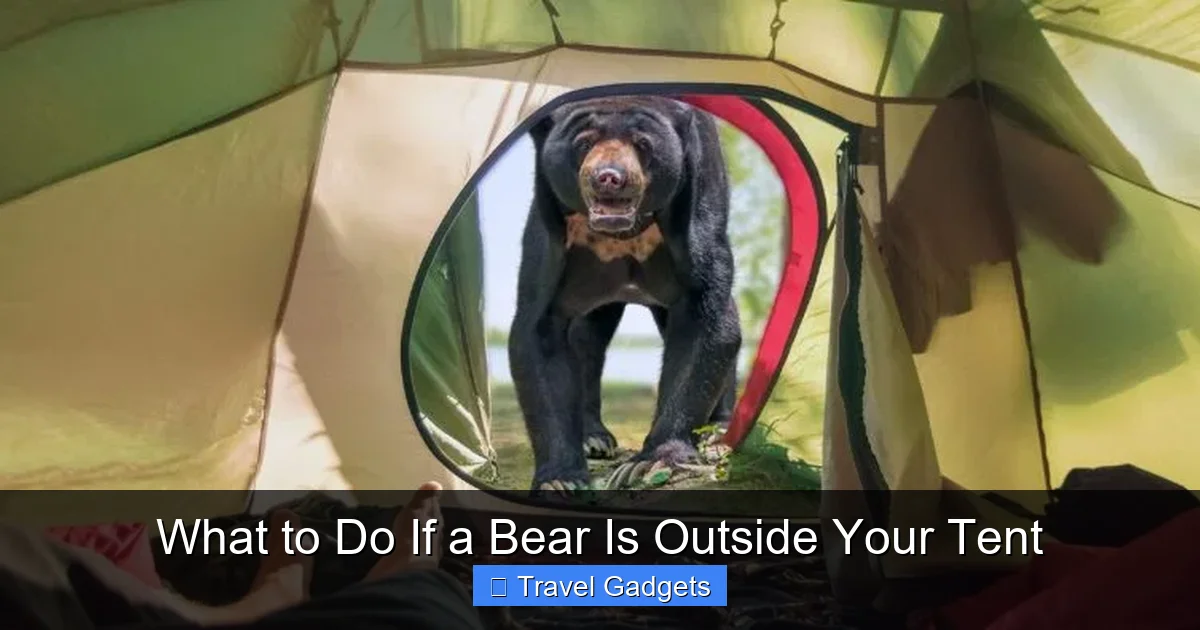
Visual guide about What to Do If a Bear Is Outside Your Tent
Image source: veryoutdoor.com
Best Stay Deals Available
Compare prices across top booking platforms and find the best deal for your stay.
Check Available RoomsThere are several common mistakes people make during a bear encounter—many of which can escalate the situation. First, never run. Running triggers a predator-prey response, and bears can outrun humans. Even if you think you’re fast, a bear can sprint up to 35 mph. Instead, back away slowly while facing the bear.
Don’t play dead unless it’s a confirmed grizzly bear attack. Playing dead with black bears might confuse them, but with grizzlies, it’s actually recommended—they lose interest once they realize you’re not struggling. However, if the bear isn’t attacking, playing dead is unnecessary and confusing.
Another big mistake is offering food. Some people think feeding a bear will calm it down, but this only reinforces bad behavior and puts both you and the animal at risk. Never throw food toward the bear—it teaches them to associate humans with meals.
Lastly, don’t climb trees. Black bears are excellent climbers, and even grizzlies can scale short trees. Climbing only delays the inevitable and wastes energy.
How to Handle Different Types of Bears
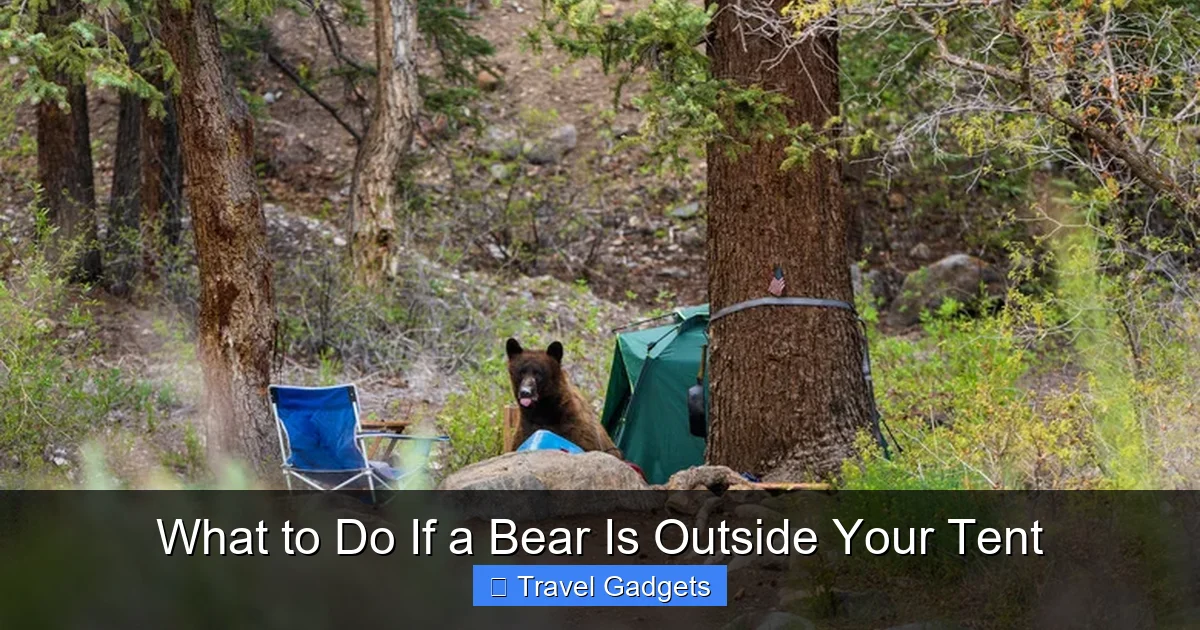
Visual guide about What to Do If a Bear Is Outside Your Tent
Image source: outdoorguide.com
Not all bears behave the same way. Understanding the difference between black bears and grizzly (or brown) bears helps you choose the right response.
Black Bears: These are smaller, usually solitary, and less aggressive. If a black bear approaches, it’s likely curious or searching for food. Stand tall, make yourself look bigger, and back away slowly. If it charges, stand your ground—it’s probably a bluff. Most black bear charges stop short of making contact.
Grizzly/Brown Bears: Larger and more powerful, grizzlies are more likely to defend their territory or cubs. If a grizzly stands on its hind legs, it’s gathering information—not necessarily threatening. If it charges, and you have bear spray, use it. If no spray is available, play dead by lying flat on your stomach, hands clasped behind your neck, and legs spread to make it harder to flip you.
In either case, if the bear leaves after a few minutes, it was likely just checking you out. But if it returns or shows aggression, prepare for a defensive action.
Bear Spray: Your Best Defense
Bear spray is one of the most effective tools for deterring an approaching bear. Unlike guns, it doesn’t require aiming for vital organs—just a quick burst across the bear’s face creates enough discomfort to stop the advance. When used correctly, it has a success rate of over 90%.
Choose bear spray with a minimum range of 25 feet (ideally 30–60 feet). Store it in an easily accessible holster on your hip or chest, not buried in your pack. Practice removing it quickly—under pressure, seconds count.
When a bear is approaching within range, remove the safety cap and aim slightly downward, toward the animal’s head. Don’t aim directly at the eyes—spray a cloud in front of it. A single burst of 2–3 seconds is usually enough. After spraying, back away slowly and reassess.
Remember: bear spray works best when the bear is charging or within close range. For bears just sniffing around, non-confrontational tactics like speaking calmly are better.
Preventing Future Bear Encounters
The best response to a bear outside your tent is preventing it from happening again. Proper food storage is the number one step. Use bear-proof containers (like Lockers or Ursacks) or follow the “bear hang” method: hang food 100 yards from camp, 4–6 feet high, and 15 feet out horizontally from any tree trunk.
Store all scented items—toothpaste, deodorant, soap—with your food. Never cook or eat in your tent. Clean your campsite thoroughly, including grills and utensils. Bury or pack out all food scraps.
If you’re car camping, keep your vehicle locked and food stored inside, not in the bed. At developed campgrounds, use provided bear-proof dumpsters.
Also, make noise while hiking. Bears usually avoid humans if they hear you coming. Talk, clap, or wear bear bells—especially in dense brush or near streams where visibility is low.
After the Encounter: What to Do Next
Once the bear leaves, take a moment to breathe. Check your group for injuries. If someone was startled or hurt, provide comfort and first aid if needed. Then, secure your campsite again—double-check that food is stored properly.
If the bear showed aggressive behavior, report the encounter to park rangers or local wildlife officials. Include details like the bear’s size, color, behavior, and location. This helps authorities monitor bear activity and issue warnings to other campers.
Don’t leave your site early unless you feel unsafe. Many bears are just passing through. With patience and proper precautions, your campsite will likely return to normal within hours.
When to Call for Help
While most bear encounters end safely, some situations require professional intervention. If a bear enters your tent, attacks, or behaves aggressively, call emergency services immediately. In the U.S., dial 911 if you’re in a national park, or contact local game wardens.
Also seek help if you suspect a bear is sick or injured. A limping bear or one acting unusually tame could be dangerous. Rangers can assess the animal and decide whether to relocate or euthanize it if necessary.
Never try to handle a bear rescue yourself. These situations require trained professionals with equipment and permits.
Frequently Asked Questions
Should I run if a bear is outside my tent?
No, running can trigger a chase response in bears. Instead, back away slowly while facing the animal. Running increases the risk of injury and teaches bears that humans are prey.
Is bear spray effective against all types of bears?
Yes, bear spray is effective against both black bears and grizzly bears when used within 30–60 feet. Aim for the cloud in front of the bear’s face and back away slowly after deployment.
Can I feed a bear to calm it down?
Absolutely not. Feeding bears encourages dangerous behavior and can lead to aggressive encounters. Always store food securely and never offer it to wildlife.
What should I do if a bear enters my tent?
If a bear gets inside your tent, remain calm and slowly exit through the opposite side. If it follows, use bear spray or other deterrents. Avoid cornering the bear, as trapped animals can become unpredictable.
How far should I hang my food from camp?
Hang food at least 100 feet (about 30 meters) away from your campsite. This reduces the chance of bears detecting the smell and approaching your sleeping area.
Do I need to report every bear sighting?
Only report encounters that involve close proximity, aggressive behavior, or property damage. Rangers use this data to manage bear populations and warn other visitors.