
Choosing the right family camping tent is about balancing comfort, safety, and convenience. You need enough space for everyone, reliable protection from the elements, and smart features that make setup easy. Whether you’re heading into the backcountry or setting up at a campground, knowing what to look for in a family camping tent will save you time, stress, and money.
Key Takeaways
- Tent Size & Capacity: Choose based on how many people will sleep inside plus extra room for gear. A 6-person tent should comfortably fit 4 adults and all their essentials.
- Weather Resistance: Look for high water-resistant ratings (1500–3000mm), sealed seams, and durable fabrics like polyester with PU coating.
- Setup Ease: Freestanding designs with color-coded poles and simple clips reduce setup time—perfect for families with kids or first-time campers.
- Ventilation & Interior Comfort: Mesh panels, multiple doors, and adjustable vents prevent condensation and keep air flowing.
- Pole Configuration: Aluminum poles are lighter and stronger than steel; consider double-pole systems for better wind resistance.
- Weight & Portability: While durability matters, lightweight tents make car camping easier. Pack weight under 20 lbs per person ideal.
- Additional Features: Gear lofts, storage pockets, vestibules, and UV protection add convenience and functionality.
📑 Table of Contents
- Introduction: Why Your Family Needs the Right Tent
- Size & Capacity: More Than Just Sleeping Space
- Weather Resistance: Staying Dry When It Rains
- Ease of Setup: No Fumbling After Dark
- Ventilation & Interior Comfort: Breathe Easy All Night
- Pole Material & Frame Strength: Standing Up to the Wind
- Portability & Weight: Carrying Comfortably
- Bonus Features That Make Life Easier
- Conclusion: Your Perfect Family Tent Awaits
Introduction: Why Your Family Needs the Right Tent
There’s something magical about gathering around a campfire under a starry sky—kids laughing, parents unwinding, and the smell of pine filling the air. But that dream trip can turn into a nightmare if your family camping tent isn’t up to the task. Picture this: it’s pouring rain, your toddler wakes up shivering because of cold condensation, and you’re still fumbling with tangled poles at midnight. Not fun, right?
Check the latest prices and available rooms before they sell out.
That’s why understanding what to look for in a family camping tent isn’t just helpful—it’s essential. Whether you’re planning a weekend getaway near your car or venturing deeper into wilderness, the right shelter protects your family from the unexpected. From choosing the right size to evaluating weatherproofing, every detail matters when you’re counting on your tent to be more than just canvas and poles.
In this guide, we’ll walk you through everything you need to know to pick a tent that keeps everyone cozy, dry, and happy—no matter where your adventure takes you.
Size & Capacity: More Than Just Sleeping Space
Visual guide about What to Look for in a Family Camping Tent
Image source: ae01.alicdn.com
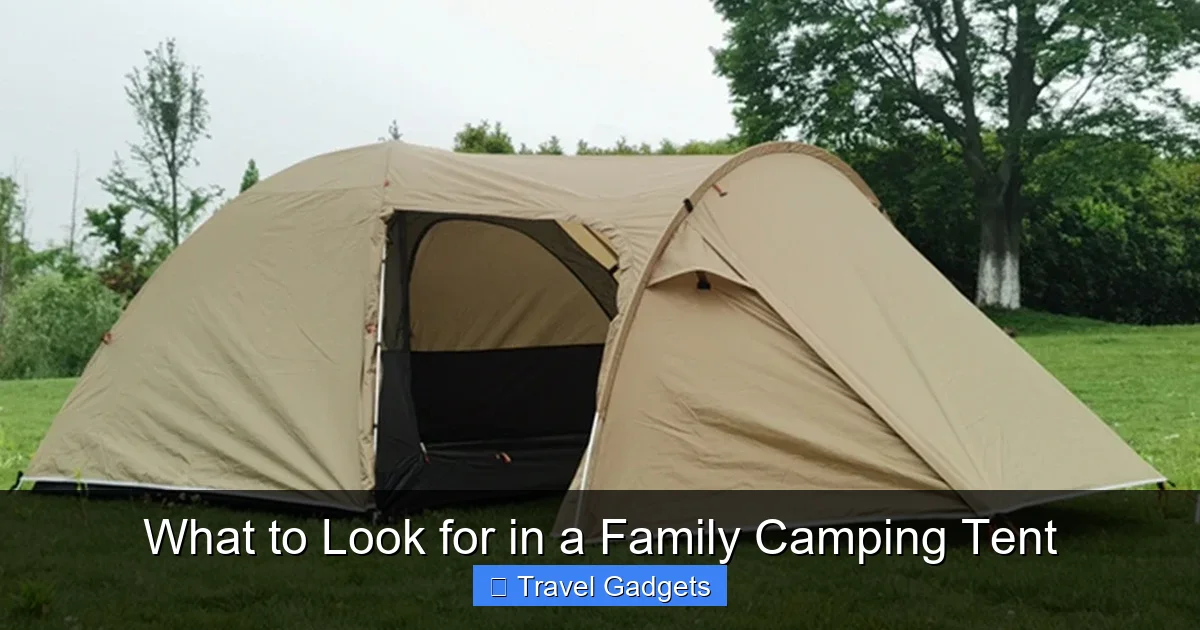
When most people think about tent size, they imagine sleeping bags and headlamps. But real comfort comes from having room to breathe—literally and figuratively. The truth is, a “6-person” tent doesn’t always mean six grownups can stretch out comfortably. In fact, manufacturers often count each sleeping bag as a person, even if two kids share a pad.
So what does “family camping” really look like? Let’s break it down:
Find the Best Accommodation Deals
Compare prices from multiple booking platforms and find the best option for your stay.
Compare Hotel PricesHow Many People Should Fit?
For a family of four (two adults, two children), a 4-person tent might feel cramped if everyone brings full-sized gear. Instead, go for a 6-person model—it gives you breathing room for clothes, backpacks, and maybe even a small dog. If you plan to cook inside or store food safely in a bear bag, add another person’s worth of space.
Pro tip: Always check the manufacturer’s recommended occupancy. Some brands label tents as “6-person” but only recommend 4 due to interior layout.
Find the Best Accommodation Deals
Compare prices from multiple booking platforms and discover the best stay options available.
⭐ Trusted by thousands of travelers
💰 Budget to luxury options available
Vestibules & Extra Storage
Look for tents with large front or side vestibules—these sheltered areas outside the main door let you stash muddy boots, wet jackets, or cooking equipment without tracking dirt into your living space. A good vestibule adds usable square footage without increasing overall weight too much.
Floor Plan & Headroom
Tents come in tube, dome, and cabin styles. Dome tents offer great wind resistance and decent headroom, while cabin-style tents mimic real rooms with vertical walls. For families, cabin tents often win because they allow standing upright and organizing gear easily.
Check the peak height—ideally 6 feet or more—so parents aren’t constantly ducking. Also, note whether the floorplan includes separate rooms. Privacy dividers help when kids want quiet time or parents need a bit of separation.
Best Stay Deals Available
Compare prices across top booking platforms and find the best deal for your stay.
Check Available RoomsWeather Resistance: Staying Dry When It Rains
Visual guide about What to Look for in a Family Camping Tent
Image source: 5.imimg.com
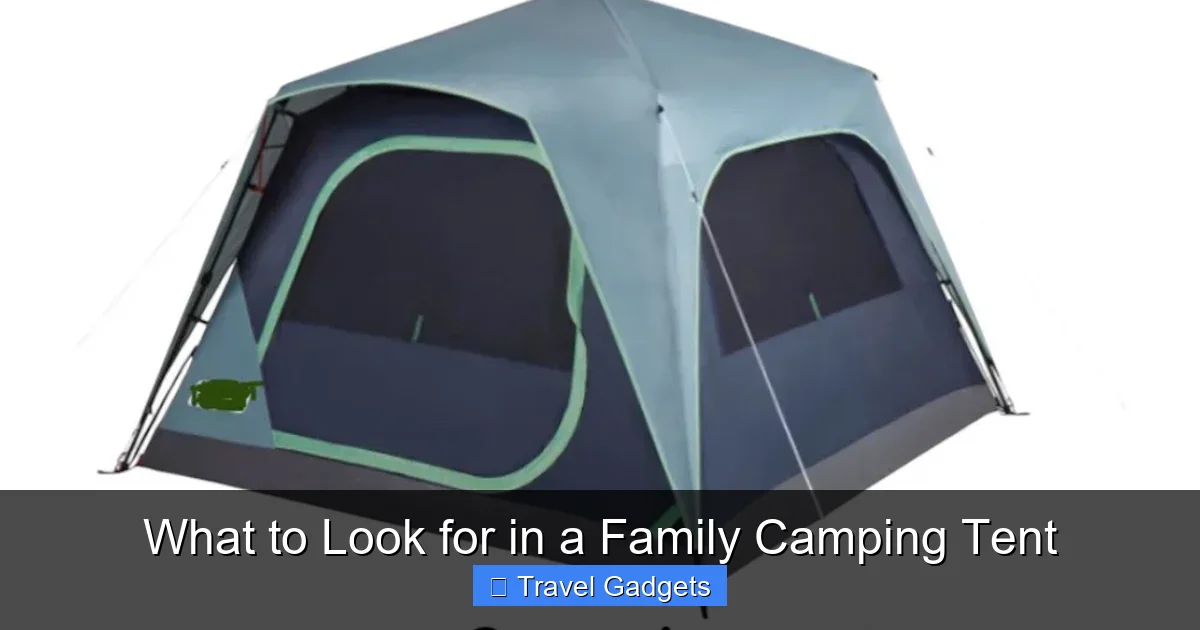
Let’s face it: Mother Nature doesn’t care how cute your tent looks. Rain, wind, snow—your shelter must handle it all. That’s why evaluating weather resistance is one of the most critical parts of learning what to look for in a family camping tent.
Waterproof Ratings Explained
Most tents use a waterproof rating measured in millimeters (mm). Here’s a quick guide:
– Under 1000mm: Light showers only—not ideal for heavy storms.
– 1000–1500mm: Moderate rain; okay for short trips.
– 1500–3000mm: Good for typical camping conditions.
– Above 3000mm: Excellent for extreme weather or frequent rain.
Look for tents labeled “full-coverage” or “heavy-duty” if you camp in wet climates.
Seams & Taped Seams
Even the sturdiest fabric leaks at the seams. High-quality tents have fully taped seams, meaning both sides of the seam are coated to block water. Avoid tents that only tape the top seam—rain can still seep through the bottom!
Rainfly Coverage
Your rainfly should cover the entire tent, including the ground. Some cheap models leave gaps near the floor, letting water pool and soak your bedding. A full-coverage rainfly also improves ventilation by directing airflow over the mesh instead of straight down.
Ease of Setup: No Fumbling After Dark
Visual guide about What to Look for in a Family Camping Tent
Image source: i.pinimg.com
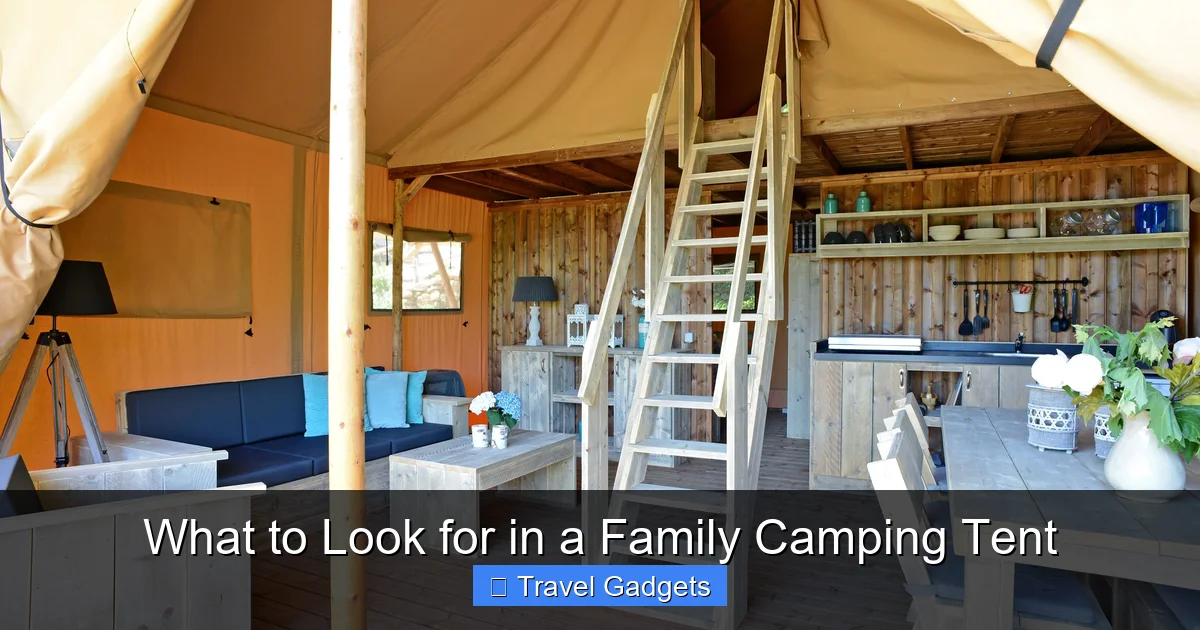
Nobody wants to spend 45 minutes wrestling with tent poles under moonlight. Especially not parents trying to calm a toddler who just woke up scared of the dark.
Freestanding vs. Non-Freestanding
Freestanding tents can stand alone without stakes—great for uneven terrain or when you’ve got limited anchor points. Most family tents are freestanding, which makes them versatile for different campsites.
Non-freestanding tents need stakes on all sides, so they work best on flat, packed surfaces like established campgrounds.
Color-Coded Poles & Simple Clips
Modern tents use color-matched pole sleeves or clips. This means green pole goes into green sleeve—no guessing! Brands like Coleman and REI often include these intuitive systems. Avoid tents with confusing pole threading or loose clips that pop off during strong winds.
Setup Time Matters
Top-rated family tents take under 10 minutes to assemble. If yours takes longer, ask yourself: Is it worth the frustration? For weekend trips, speed isn’t critical, but for multi-day hikes, it definitely is.
Ventilation & Interior Comfort: Breathe Easy All Night
Camping isn’t just about shelter—it’s about feeling at home outdoors. Poor ventilation leads to condensation, stuffiness, and restless sleep. So how do you stay cool (or warm) without freezing?
Mesh Panels & Windows
Mesh panels in the roof and walls allow hot air to escape while keeping bugs out. Look for tents with dual-zip windows on opposite sides for cross-ventilation. Mesh-only roofs work well in dry climates but may not provide warmth in winter.
Condensation Control
On humid nights, moisture builds inside your tent. To reduce it:
– Use a footprint (a ground cloth) underneath.
– Keep the door partially open if possible.
– Avoid hanging wet clothes inside.
Some advanced tents feature condensation-reducing coatings or internal baffles that channel moisture away from sleeping zones.
Lighting & Power Options
While not essential, built-in gear lofts or clip-on pockets make nighttime easier. USB-compatible tents let you charge phones or lanterns via solar panel—super handy on long trips.
Pole Material & Frame Strength: Standing Up to the Wind
The frame determines how stable your tent stays. Two main materials dominate the market: aluminum and fiberglass.
Aluminum Poles: Lightweight & Strong
Aluminum strikes the best balance between weight and durability. It won’t rust, bends less than fiberglass, and holds shape well over time. Most quality family tents use aluminum.
Fiberglass Poles: Cheaper but Fragile
Fiberglass is cheaper and lighter initially, but it’s brittle. Under strong wind, it can snap like a twig. Save fiberglass for budget tents meant for occasional weekend use.
Pole Configuration Tips
Double-pole systems distribute stress better and improve wind resistance. Single-pole tents are simpler but weaker in storms. Also, flexible poles bend slightly in gusts—rigid ones transfer shock directly to the fabric, risking tears.
Portability & Weight: Carrying Comfortably
You don’t want your tent weighing more than your cooler. When packing for family trips, every pound counts—especially if you’re hiking to your site.
Packed Size & Carry Bag
A compact pack means easier loading into SUV trunks or duffel bags. Look for tents that compress to under 10 inches in diameter and weigh under 15 lbs for smaller models (4–6 person).
Backpacking vs. Car Camping
If you’re driving everywhere, weight is less critical. But if you’re backpacking with kids, aim for sub-20-lb total weight. Trade-offs include fewer features for lighter builds.
Bonus Features That Make Life Easier
Beyond basics, smart extras elevate your camping experience:
Gear Lofts & Storage Pockets
These keep items off the floor and within reach. Perfect for books, snacks, or nightlights.
Reflective Guy Lines & Stakes
See your tent at night! Reflective lines glow under headlamp beams, preventing trips and falls.
UV Protection
Some fabrics block harmful sun rays, extending the tent’s lifespan if left in direct sunlight.
Repair Kits Included
Not all tents come with patches or seam tape. Check before buying if you camp frequently.
Conclusion: Your Perfect Family Tent Awaits
Selecting the right family camping tent boils down to matching your needs with the product’s strengths. Prioritize size, weatherproofing, and ease of setup first—then consider comfort extras like storage and ventilation. Remember, a good tent grows with your family. Start with a 6-person model if you’ve got kids, and upgrade as your group expands.
By focusing on what to look for in a family camping tent, you’ll avoid common pitfalls and enjoy peaceful nights under the stars—rain or shine, wind or calm. Happy camping, and may your mornings always begin with coffee and laughter!
Frequently Asked Questions
How big should my family camping tent be?
Choose a tent rated for one more person than you expect to sleep in—plus extra space for gear. For example, a family of four should use a 6-person tent with vestibules for storing backpacks and shoes.
What waterproof rating should I look for?
For reliable rain protection, choose a tent with at least a 1500–3000mm waterproof rating. Fully taped seams and a full-coverage rainfly are also essential for staying dry during storms.
Are freestanding tents better for families?
Yes! Freestanding tents can stand independently, making them ideal for uneven ground or campsites with limited stakes. They’re easier to move and rearrange—perfect for families who set up in different locations.
Do I need a tent with separate rooms?
Separate rooms add privacy, which helps when kids need quiet time or parents want some separation. However, they increase cost and complexity. Many families find dome or cabin-style tents sufficient without full partitions.
Can I cook inside my tent?
It’s generally not recommended due to fire risk and carbon monoxide buildup. Instead, cook in a designated area outside using a portable stove or grill. Vestibules can serve as mini kitchens if weather is bad.
How do I reduce condensation inside my tent?
Improve airflow with mesh panels, keep the door slightly open, and use a footprint (ground cloth) to absorb moisture. Avoid drying wet clothes inside, and consider a tent with built-in ventilation channels.