
Packing the right gear is key to a successful tent camping trip. Whether you’re heading into the woods for a weekend or a full week, having essentials like a reliable tent, warm sleep system, and portable cooking setup makes all the difference. Don’t forget smart gadgets that save space and boost comfort—your future self will thank you when you’re cozy under the stars.
There’s something magical about waking up to birdsong, sipping coffee by a crackling fire, and gazing at a sky full of stars—all while nestled in your trusty tent. Tent camping offers freedom, adventure, and a deep connection with nature, but only if you’re prepared. Packing the right gear doesn’t mean overloading your backpack with every gadget imaginable. Instead, it means selecting items that are lightweight, durable, and functional. When you know exactly what to pack for a tent camping trip, you reduce stress, conserve energy, and maximize enjoyment. From shelter and warmth to food and safety, every item plays a role in making your adventure memorable—and safe.
Check the latest prices and available rooms before they sell out.
Whether you’re a first-time camper or a seasoned outdoors enthusiast, this guide will walk you through everything you need. We’ll cover must-have essentials, smart packing tips, and even some travel gadgets that make life in the wilderness easier. By the end, you’ll feel confident heading into the backcountry with a well-thought-out kit tailored to your needs.
Key Takeaways
- Prioritize shelter and safety: A sturdy tent, footprint, and weather-appropriate gear are non-negotiable for a safe camping experience.
- Pack smart with multi-use items: Choose gear that serves more than one purpose—like a water filter that doubles as a coffee maker or a headlamp with a power bank.
- Don’t skip the sleep system: A quality sleeping bag and pad ensure comfort and insulation from the ground, especially on cold nights.
- Meal prep matters: Lightweight, easy-to-cook food and a compact stove can make your meals enjoyable without adding bulk.
- Bring navigation and communication tools: A map, compass, or GPS device keeps you on track, while a satellite communicator adds peace of mind in remote areas.
- Leave no trace: Pack out all trash, use biodegradable soap, and respect nature by minimizing your impact on the environment.
- Test gear before you go: Set up your tent at home and try cooking with your stove to avoid surprises during your trip.
📑 Table of Contents
1. Shelter: Your Home Away From Home
Your tent is more than just a place to sleep—it’s your shelter from wind, rain, and wildlife. Choosing and setting up the right tent is the foundation of a good camping trip.
Choosing the Right Tent
Look for a tent that fits your group size and season. For example, a 3-season tent works well for spring, summer, and fall, but if you’re camping in snowy or rainy conditions, opt for a 4-season model with stronger poles and better waterproofing. Ultralight tents are great for backpackers, while family campers might prefer larger, roomier models with extra vestibules for gear storage.
Tent Footprint and Groundsheet
Never skip a footprint—a thin, durable piece of material that goes under your tent. It protects the tent floor from abrasion and moisture, extending the life of your shelter. Some tents come with built-in footprints, but many require you to buy them separately. Always bring a groundsheet or tarp to create a dry barrier between the ground and your tent floor.
Rainfly and Stakes
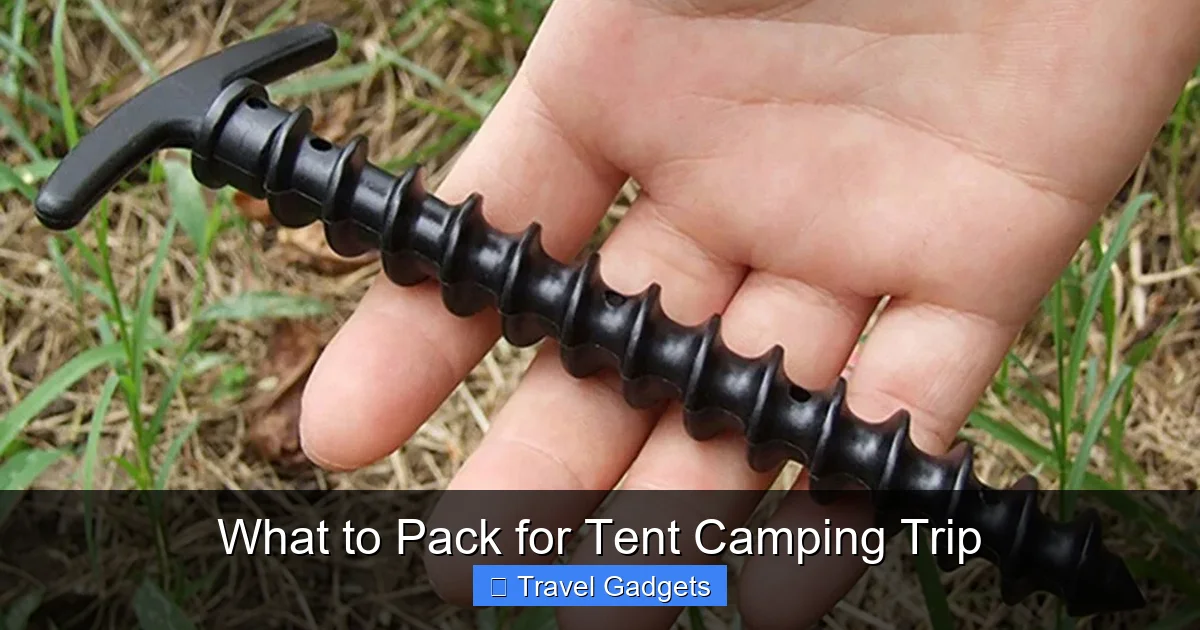
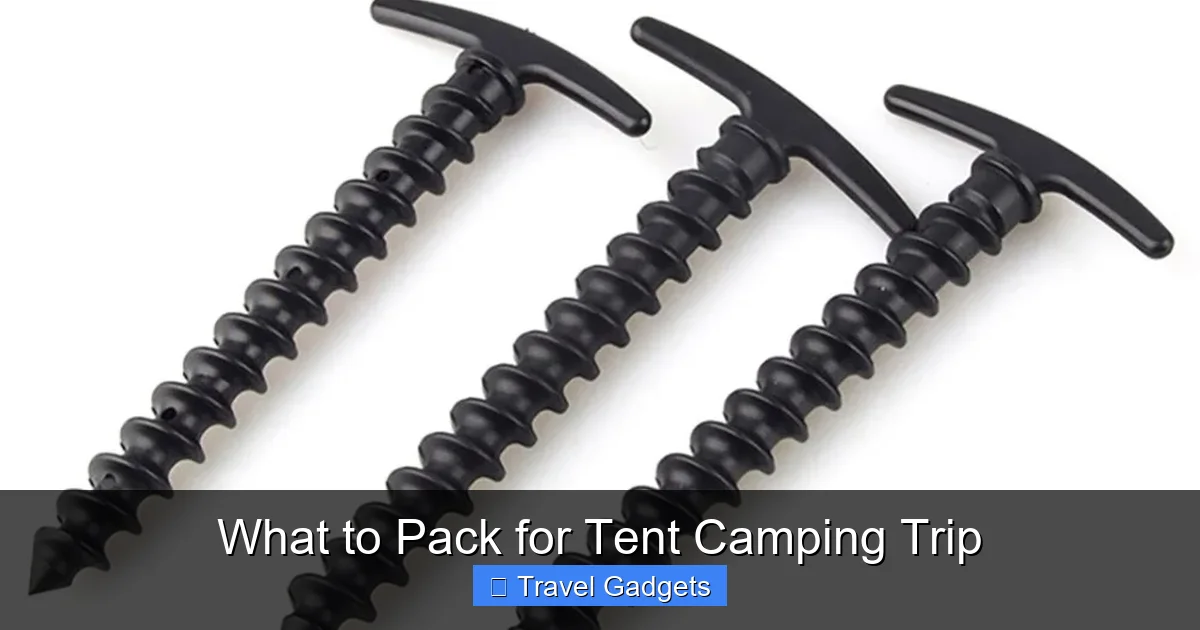
A high-quality rainfly ensures your tent stays dry in heavy rain. Make sure it’s properly secured with strong stakes and guylines. Bring extra stakes in case some get bent or lost. In windy conditions, guy lines add stability and prevent flapping.
2. Sleep System: Rest Well Under the Stars
Visual guide about What to Pack for Tent Camping Trip
Find the Best Accommodation Deals
Compare prices from multiple booking platforms and find the best option for your stay.
Compare Hotel PricesImage source: images.nexusapp.co
Sleep is critical to enjoying your trip. Even the most beautiful campsite won’t feel good after a restless night on the ground.
Find the Best Accommodation Deals
Compare prices from multiple booking platforms and discover the best stay options available.
⭐ Trusted by thousands of travelers
💰 Budget to luxury options available
Sleeping Bag
Choose a sleeping bag rated for the lowest temperature you expect to encounter. Down bags are lightweight and compressible but lose insulation when wet. Synthetic bags are heavier but retain warmth even when damp—ideal for humid climates or unpredictable weather. Consider a mummy-style bag for efficiency, or a rectangular bag for more room.
Sleeping Pad
Your sleeping pad insulates you from the cold ground and adds cushioning. Closed-cell foam pads are cheap and durable but bulky. Inflatable pads offer better comfort and R-value (thermal resistance), making them ideal for colder nights. Look for an R-value of at least 3.0 for three-season trips.
Extra Blanket or Bivy
For added warmth, bring a lightweight emergency blanket or bivy sack. These compact options can be tucked inside your sleeping bag or used as a liner to boost insulation.
Best Stay Deals Available
Compare prices across top booking platforms and find the best deal for your stay.
Check Available Rooms3. Cooking and Food Essentials
Visual guide about What to Pack for Tent Camping Trip
Image source: images.nexusapp.co
Meals are a highlight of any camping trip. With the right gear, you can enjoy hot food without carrying a kitchen full of pots and pans.
Camping Stove and Fuel
A portable camping stove lets you cook anywhere. Canister stoves are easy to use and refill, while liquid fuel stoves work better in extreme cold. Always carry extra fuel—weather changes can affect burn rates. A windscreen helps protect flames from gusts.
Lightweight Cookware
Opt for nesting pots and pans that stack together to save space. A titanium set is ultra-light, while aluminum is affordable and heats quickly. Don’t forget a spork, mug, or collapsible bowl for convenience.
Food Storage and Hygiene
Store food in bear-proof containers or hang it from a tree using a bear bag. Keep utensils, plates, and reusable cups handy. Pack out all trash, including food scraps and wrappers, to protect wildlife and follow Leave No Trace principles.
4. Lighting and Power Solutions
Visual guide about What to Pack for Tent Camping Trip
Image source: acoupledaystravel.com
Darkness can sneak up fast, especially during long hikes or early mornings. Reliable lighting ensures safety and comfort.
Headlamp
A hands-free headlamp is a game-changer. Look for one with multiple brightness settings and a red mode to preserve night vision. Always carry spare batteries or a rechargeable model with a USB port.
Camp Lantern
A battery-powered or solar lantern brightens your campsite. Some models double as power banks, charging phones or GPS devices. Compact LED lanterns are lightweight and efficient.
Solar Chargers and Power Banks
For longer trips, a portable solar panel can recharge devices on the go. Pair it with a high-capacity power bank to keep your phone, headlamp, or GPS charged throughout the day.
5. Clothing and Footwear
Dress in layers to adapt to changing temperatures. Moisture-wicking base layers, insulating mid-layers, and a waterproof outer shell provide flexibility.
Layering System
Start with synthetic or merino wool base layers to pull sweat away from your skin. Add fleece or down for warmth. Rain pants and a waterproof jacket protect against wind and precipitation.
Footwear
Sturdy hiking boots with good ankle support are ideal for rough terrain. Bring camp shoes—lightweight sandals or sneakers—for relaxing around the site. Don’t forget moisture-wicking socks and an extra pair in case they get wet.
Accessories
Pack a wide-brimmed hat, sunglasses, sunscreen, and bug spray. A bandana or buff can double as a face covering, neck warmer, or towel.
6. Navigation and Safety Gear
Getting lost isn’t just inconvenient—it can be dangerous. Proper navigation tools and emergency supplies are lifesavers.
Map and Compass
Even with GPS, a physical map and compass never fail. Learn how to read a topo map and take bearings before you head out.
First Aid Kit
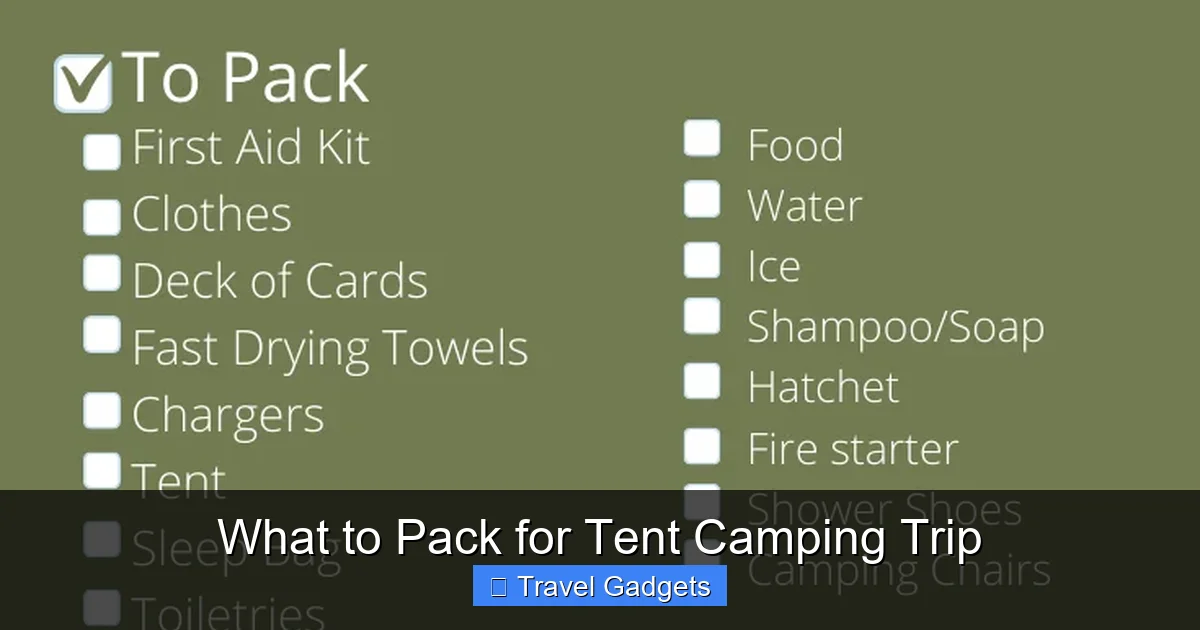
Include bandages, antiseptic wipes, blister treatment, pain relievers, and any personal medications. A small first aid kit should fit in your backpack and be easily accessible.
Emergency Whistle and Fire Starter
A whistle can signal for help in emergencies. Waterproof matches, a lighter, or a ferro rod provide reliable fire-starting options.
Satellite Communicator (Optional)
Devices like Garmin inReach or SPOT allow two-way messaging and GPS tracking. Ideal for remote areas without cell service.
Bonus: Smart Travel Gadgets for Campers
Modern campers aren’t just relying on old-school gear. Innovative travel gadgets enhance comfort, safety, and convenience.
Portable Wi-Fi Hotspot
Stay connected with a lightweight hotspot like Skyroam Solis. Great for checking emails or sharing photos, though not essential for all trips.
Collapsible Water Bottles
These save space when empty and expand when you need them. Look for ones with filtration systems for on-the-go hydration.
Ultralight Hammock
Perfect for lounging or napping. Pair it with a tarp for shade and rain protection.
Multi-Tool or Knife
A compact multi-tool with pliers, screwdrivers, and a knife comes in handy for repairs or preparing food.
Water Filter or Purifier
Essential for drinking from streams or lakes. Pump filters like Sawyer Mini or gravity systems like Grayl Geo are reliable choices.
Compact Toiletries
Use solid shampoo bars, toothpaste tablets, and biodegradable soap to minimize waste and weight.
Conclusion: Pack Smart, Stay Comfortable
Knowing what to pack for a tent camping trip transforms a stressful outing into a smooth, enjoyable experience. Focus on quality over quantity, prioritize function, and test your gear before you leave. Whether you’re cooking over a campfire, reading by lantern light, or stargazing from your sleeping bag, every item contributes to your comfort and safety. Remember, the best campsites aren’t always the most scenic—they’re the ones where you feel prepared, relaxed, and ready for whatever comes next. So pack wisely, stay curious, and enjoy the great outdoors.
Frequently Asked Questions
What is the most important thing to pack for a tent camping trip?
A reliable tent and a proper sleep system are the most important items. Without shelter and warmth, other gear won’t matter much. Always choose a tent suitable for the season and bring a sleeping bag and pad rated for the expected temperatures.
How do I pack efficiently for a tent camping trip?
Roll or stuff clothes tightly, use compression sacks for sleeping bags, and organize gear in waterproof dry bags. Place frequently used items in easy-to-reach pockets. Test your packing system at home before your trip.
Can I camp without a stove?
Yes, but it limits your meal options. You can eat cold food like trail mix, sandwiches, or pre-prepared meals, but a stove allows you to cook, boil water, and warm food—making your trip more enjoyable.
Do I really need a bear bag or canister?
In bear country, yes. Regulations often require storing food in bear-resistant containers or hanging it at least 10 feet off the ground and 4 feet from tree trunks. This protects both you and wildlife.
How much water should I bring?
Carry at least 2 liters per person per day, plus extra in case of delays. Use a water filter or purifier to refill from natural sources. Always have a backup supply.
What should I do if my tent gets wet?
Set it up on a dry surface and use a footprint or tarp underneath. Dry wet gear outside your tent to prevent mold. If your tent is compromised, replace it before your next trip.