
Ready to pitch your tent and embrace the great outdoors? Tent camping doesn’t have to be complicated—just prepare with the right gear, plan ahead, and stay safe. From choosing the perfect tent to packing lightweight essentials, this guide walks you through every step so you can focus on making memories under the stars.
There’s something magical about waking up to the sound of birds chirping instead of traffic noise, with the gentle rustle of trees swaying in the breeze. Tent camping offers that deep connection to nature while still giving you shelter and comfort. Whether you’re escaping into the mountains, by a serene lake, or in a national forest, being prepared is the key to a stress-free and enjoyable experience.
Check the latest prices and available rooms before they sell out.
But let’s be real—camping can feel overwhelming if you don’t know where to start. Between choosing the right tent, packing the essentials, and staying safe in the wild, it’s easy to get lost in the details. That’s why we’re here: to give you a clear, no-nonsense guide on what you need to tent camp like a pro. From must-have gear to clever travel gadgets that make life easier in the woods, we’ve got you covered.
So grab your backpack, check the forecast, and let’s dive into everything you need to know to set up camp, unwind, and truly enjoy the outdoors.
Key Takeaways
- Choose the Right Tent: Pick a tent based on weather, group size, and terrain—look for waterproof materials and easy setup.
- Pack Smart: Bring a high-quality sleeping bag, insulated sleeping pad, and compact pillow for comfort at night.
- Prioritize Safety: Always carry a first aid kit, flashlight or headlamp, and a reliable map or GPS device.
- Stay Warm and Dry: Use a rainfly, ground tarp, and moisture-wicking clothing to handle unpredictable weather.
- Bring Portable Gadgets: A power bank, portable stove, and water filtration system make camping more convenient and sustainable.
- Leave No Trace: Pack out all trash, respect wildlife, and follow local camping regulations to protect nature.
📑 Table of Contents
1. The Foundation: Choosing the Perfect Tent
Your tent is your home away from home, so picking the right one is critical. You want something that’s easy to set up, weather-resistant, and fits your needs—whether you’re solo adventurer or camping with a family.
Consider Your Group Size and Season
Tents come in different sizes—single-wall, double-wall, 2-person, 4-person, and even larger models for groups. If you’re tent camping in warm weather, a lightweight 2-season tent might work well. But if you’re heading into cold climates or rainy regions, go for a 3- or 4-season tent with better insulation and storm protection. For example, a REI Co-op Half Dome SL 2+ is great for two people who want extra space and durability without adding too much weight.
Look for Key Features
When shopping, keep an eye out for:
- Waterproof rating: Aim for at least 1500mm hydrostatic head for reliable rain protection.
- Ventilation: Mesh panels help reduce condensation inside the tent.
- Easy setup: Freestanding tents with color-coded poles are faster and simpler to pitch.
- Footprint or ground cloth: Protects the tent floor from abrasion and moisture.
Pro tip: Practice setting up your tent at home before your trip. Nothing ruins a camping vibe like fumbling with poles at midnight.
2. Sleep Like a Bear: Comfort Essentials
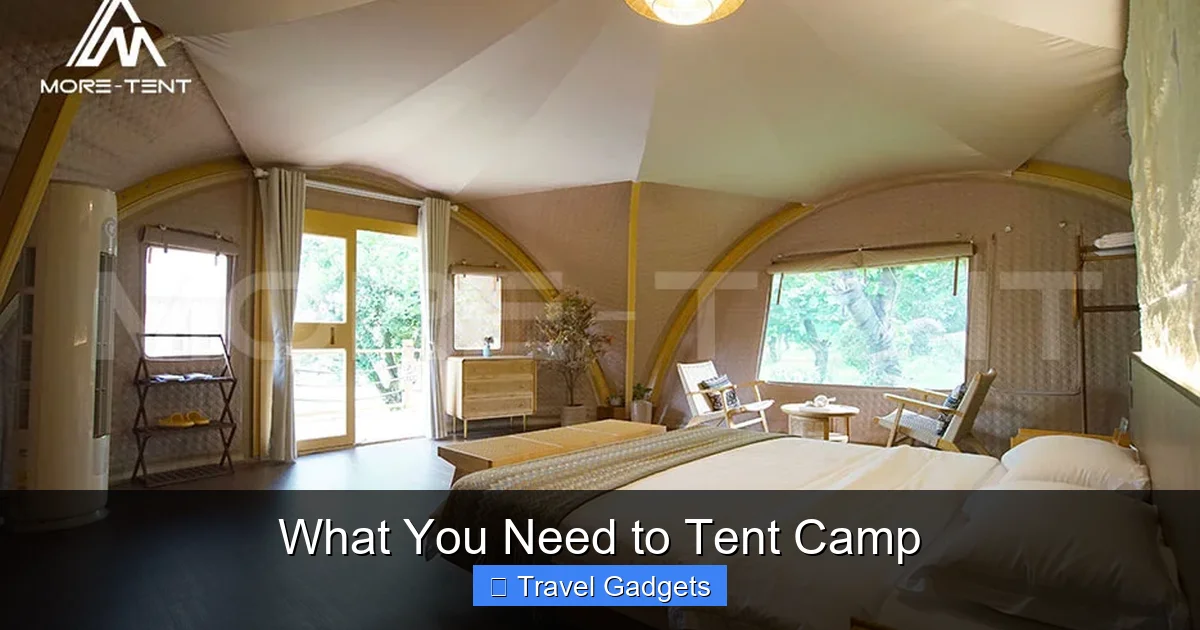
Find the Best Accommodation Deals
Compare prices from multiple booking platforms and find the best option for your stay.
Compare Hotel PricesVisual guide about What You Need to Tent Camp
Image source: glamping-hotel.com
Find the Best Accommodation Deals
Compare prices from multiple booking platforms and discover the best stay options available.
⭐ Trusted by thousands of travelers
💰 Budget to luxury options available
You can’t recharge properly if you’re tossing and turning on a cold, hard ground. Invest in quality sleep gear to wake up refreshed and ready for the day’s adventures.
Sleeping Bag and Sleeping Pad
Your sleeping bag should match the lowest expected temperature. A Kelty Cosmic 20°F is a popular choice for three-season camping—lightweight yet warm. Pair it with a sleeping pad for insulation and cushioning. Look for an R-value of at least 3.0 for colder nights. Brands like Therm-a-Rest NeoAir XLite offer excellent comfort with minimal bulk.
Pillows and Bedding
Don’t underestimate the power of a good pillow. Compact camping pillows like the Sea to Summit Aeros Pillow inflate quickly and provide neck support. If you’re sensitive to the ground, consider a thin mattress topper or even a yoga mat for extra padding.
Best Stay Deals Available
Compare prices across top booking platforms and find the best deal for your stay.
Check Available RoomsOrganize with a Sleeping System
Pack your sleeping bag in a stuff sack, roll your sleeping pad flat, and place both inside a dry bag or compression sack. This keeps everything together and easy to grab when it’s time to sleep.
3. Stay Safe and Prepared
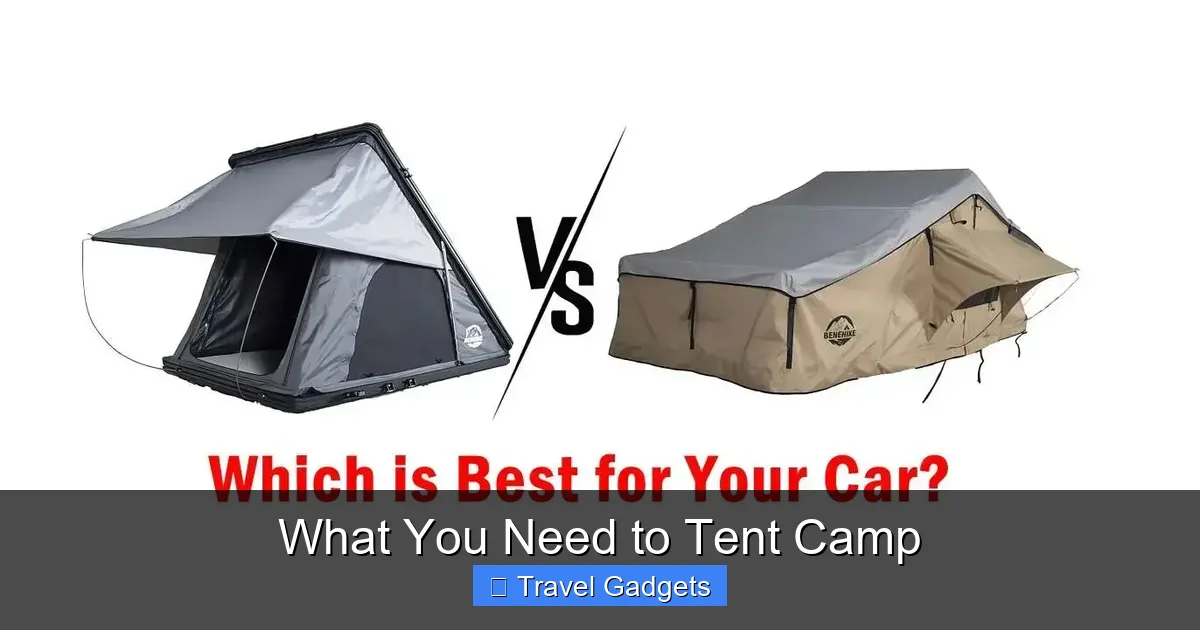
Visual guide about What You Need to Tent Camp
Image source: cdn.shopify.com
Safety should never take a backseat, especially when you’re miles from help. Being prepared means carrying tools and supplies that can handle emergencies.
First Aid Kit
Even minor cuts or blisters can become serious if not treated. Pack a compact first aid kit with bandages, antiseptic wipes, blister pads, tweezers, and pain relievers. The Adventure Medical Kits Ultralight/Watertight .7 is ideal for its waterproof case and essential supplies.
Lighting
A reliable light source is non-negotiable. Bring a headlamp like the Black Diamond Spot 400L—it frees up your hands for cooking or adjusting your tent. Add a backup flashlight and extra batteries. Never assume you’ll find your way back by moonlight!
Navigation Tools
Cell service? Not guaranteed. Carry a physical map of the area, a compass, and consider a GPS device like the Garmin inReach Mini 2, which allows two-way messaging in emergencies.
4. Cooking and Hydration: Eat Well in the Wild
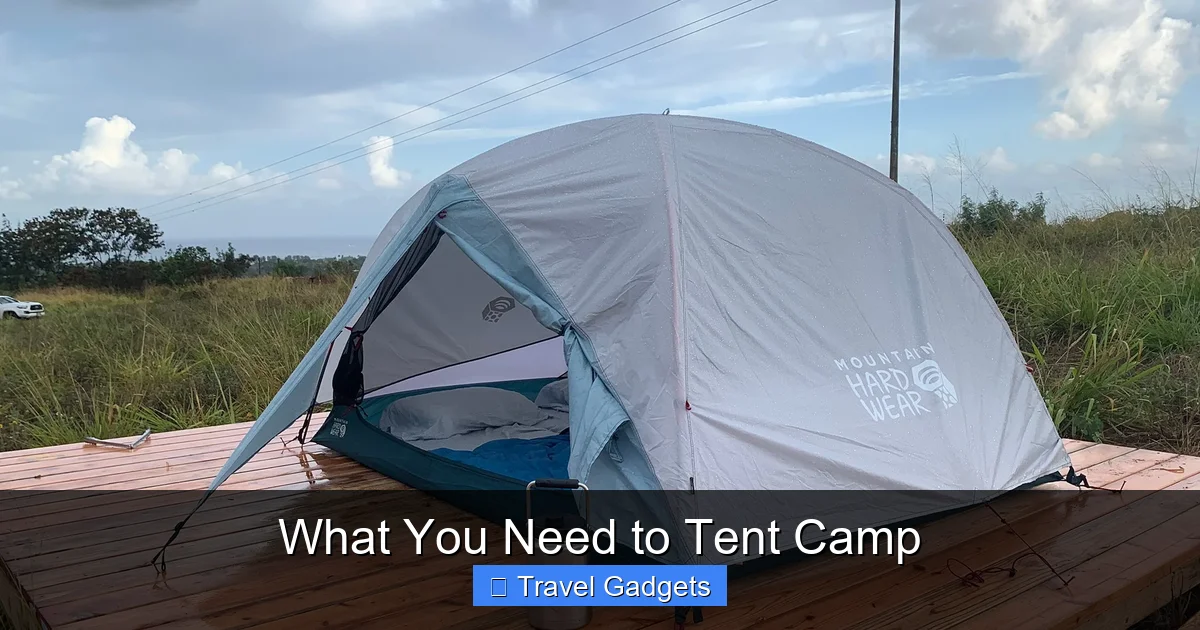
Visual guide about What You Need to Tent Camp
Image source: cdn.thewirecutter.com
Nothing beats the smell of sizzling bacon over a crackling fire. But even if fires aren’t allowed, you can still cook delicious meals with the right equipment.
Portable Stove
A compact canister stove like the MSR PocketRocket 2 is lightweight, efficient, and works well at high altitudes. If you prefer alcohol fuel, the Soto Amicus is another solid option. Always use your stove outside the tent in a well-ventilated area.
Cookware and Utensils
Invest in a lightweight pot with a lid—something like the GSI Outdoors Pinnacle Nest Cookset. It includes a mug, spork, spatula, and even a built-in strainer. Don’t forget a small camp towel and biodegradable soap for cleanup.
Water Filtration
Clean drinking water isn’t always available. A portable filter like the LifeStraw Peak Series Gravity Filter can purify up to 2,000 liters and works without batteries. Alternatively, the Katadyn BeFree squeeze bottle is ultra-light and fast.
Meal Ideas
Plan simple, high-energy meals. Think oatmeal with dried fruit for breakfast, foil-pack dinners (like salmon and veggies) for lunch or dinner, and trail mix for snacking. Dehydrated meals from brands like Mountain House are also a great time-saver.
5. Smart Travel Gadgets for Modern Campers
Technology doesn’t have to mean disconnecting. These travel gadgets enhance your tent camping experience without weighing you down.
Power Bank and Solar Charger
Keep your phone charged for navigation, photos, and emergencies. A rugged power bank like the Nekteck 26800mAh works with solar panels such as the Anker 21W Solar Charger. Even if you’re off-grid, you can charge devices using sunlight.
Bluetooth Speaker
Music sets the mood for a campfire evening. Choose a waterproof speaker like the Bose SoundLink Revolve+ II that lasts all night on a single charge.
Multi-Tool or Knife
A versatile tool like the Leatherman Wave+ helps with repairs, cutting rope, opening cans, and more. It’s a lifesaver when you least expect it.
Compact Lantern
Instead of a heavy lantern, try the BioLite AlpenGlow 500—it doubles as a light source and ambient glow for your campsite.
6. Leave No Trace: Camp Responsibly
Camping should leave nature unchanged—or better. Follow these principles to minimize your impact:
Pack In, Pack Out
Bring all trash, food scraps, and toiletries with you. This includes biodegradable items—they take longer than you think to decompose.
Cook and Camp Away from Water
Set up camp at least 200 feet from lakes, rivers, and trails to protect wildlife and vegetation.
Use Established Fire Rings
If open fires are allowed, use existing rings. If not, pack a camping stove to avoid damaging the environment.
Respect Wildlife
Store food securely in bear-proof containers or hang it from a tree far from your tent. Never feed animals—it harms their natural behavior.
Be Quiet and Courteous
Keep noise levels low to preserve the peace and respect other campers.
Final Thoughts: Embrace the Adventure
Tent camping is more than just a vacation—it’s a chance to reset, reconnect, and rediscover what matters most. With the right gear, a little preparation, and respect for nature, your next outdoor adventure will be unforgettable. Whether you’re watching the sunrise from a mountaintop or roasting marshmallows by a quiet stream, every moment becomes richer when you’re fully present.
Remember, the best campsites aren’t always the most scenic—they’re the ones where you feel completely at peace. So pack smart, stay safe, and let the wilderness work its magic.
Frequently Asked Questions
What is the absolute first thing I need for tent camping?
The first thing you need is a reliable tent. Without proper shelter, your entire trip could be ruined by wind, rain, or cold. Make sure it’s the right size and season rating for your adventure.
How do I choose a tent for bad weather?
For rain, snow, or wind, pick a 3- or 4-season tent with strong poles, taped seams, and a high waterproof rating. Double-wall tents with good ventilation help prevent condensation.
Can I camp without a tent?
Yes, but only if you have alternative shelter like a hammock with a rainfly, a tarp, or a bivy sack. These require different planning and aren’t suitable for all conditions.
How much should I spend on a tent?
A good mid-range tent ($150–$300) offers a balance of durability, weight, and features. Avoid the cheapest options—they often fail in real-world conditions.
Do I need a permit to tent camp?
In many national parks and forests, yes. Check with the land management agency for rules on dispersed camping, frontcountry sites, or backcountry permits.
How do I stay warm at night while tent camping?
Layer up with moisture-wicking base layers, use a sleeping bag rated for the expected temperature, and add a sleeping pad for insulation from the cold ground.