
Want to pitch your tent without spending a fortune? Whether you’re chasing nature or just need a quiet escape, there are plenty of legal, scenic places to camp with a tent across the country. From free dispersed camping in BLM lands to well-equipped national park sites, options exist for every kind of outdoor lover. This guide walks you through where to camp, what rules to follow, and how to stay safe while keeping it simple.
Key Takeaways
- National Parks and Forests: Offer some of the most beautiful and well-maintained camping spots, though permits may be required.
- BLM Lands: Provide free dispersed camping on millions of acres, ideal for tent campers seeking solitude and low cost.
- State Parks: Great for family-friendly camping with amenities like restrooms, fire pits, and picnic tables.
- Private Campgrounds: Offer full hookups and services but come with higher fees and reservations.
- Backcountry & Wilderness Areas: Require permits and leave-no-trace principles—perfect for experienced hikers.
- Urban Options: Some cities allow overnight parking with tents in designated areas, like at certain Walmart stores or rest stops.
- Safety First: Always check local regulations, weather, and wildlife risks before setting up camp.
📑 Table of Contents
- Where Can I Camp with a Tent? Your Complete Guide to Legal Overnight Stays
- National Parks: Iconic Views, Well-Kept Sites
- National Forests and BLM Lands: Free Dispersed Camping
- State Parks: Comfort Meets Nature
- Private Campgrounds: Full Amenities for a Fee
- Wilderness Areas and Backcountry Camping
- Urban and Unexpected Tent Camping Options
- Safety and Etiquette Tips for Tent Campers
- How to Find and Reserve Tent Camping Spots
Where Can I Camp with a Tent? Your Complete Guide to Legal Overnight Stays
There’s something deeply peaceful about waking up to birdsong instead of traffic noise. For many, that dream begins with pitching a tent under the stars. But if you’re new to tent camping—or just looking to stretch your gear and adventure further—you might be wondering: *Where can I camp with a tent?*
Check the latest prices and available rooms before they sell out.
The good news? You’re not limited to expensive campgrounds or far-flung wilderness. Across the United States, thousands of legal, accessible spots welcome tent campers. From quiet corners of national forests to designated areas near small towns, the options are as varied as the landscapes themselves. Whether you’re backpacking solo, camping with kids, or simply escaping city life for a weekend, this guide will help you find your perfect patch of earth.
Let’s explore where you can legally and safely set up your tent—without breaking the bank or the law.
National Parks: Iconic Views, Well-Kept Sites
Visual guide about Where Can I Camp with a Tent
Image source: thumbs.dreamstime.com
If you want jaw-dropping scenery, reliable facilities, and a touch of history, national parks are hard to beat. From Yellowstone’s geysers to Acadia’s rocky coastlines, these protected areas offer world-class camping experiences.
What to Expect
Most national park campgrounds have designated tent-only zones, clear fire rings, and access to restrooms. Some even include potable water and picnic tables. However, availability is competitive—especially in summer.
Find the Best Accommodation Deals
Compare prices from multiple booking platforms and find the best option for your stay.
Compare Hotel PricesTop Picks for Tent Campers
- Yosemite National Park (California): Lower Pines and North Pines offer tent sites with stunning valley views. Book months in advance via recreation.gov.
- Great Smoky Mountains (Tennessee/North Carolina): Cades Cove and Elkmont campgrounds are family-friendly and surrounded by historic cabins.
- Zion National Park (Utah): Watchman Campground allows tent setups and offers shuttle access to trails.
Pro Tip: Many national parks now use a reservation system. Sign up early—sites fill up fast during peak season.
National Forests and BLM Lands: Free Dispersed Camping
Find the Best Accommodation Deals
Compare prices from multiple booking platforms and discover the best stay options available.
⭐ Trusted by thousands of travelers
💰 Budget to luxury options available
Visual guide about Where Can I Camp with a Tent
Image source: familycamptents.com
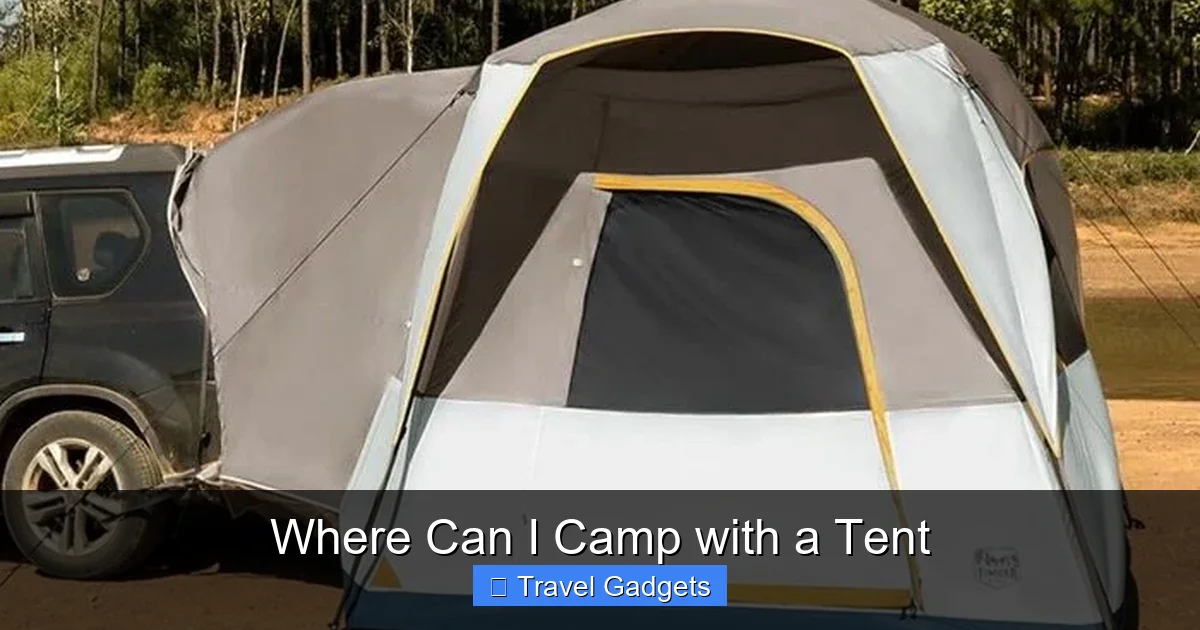
If you’re looking to camp for free (or close to it), look no further than Bureau of Land Management (BLM) land and national forests. These vast public lands cover over 600 million acres across the U.S., offering endless opportunities for tent camping away from crowds.
Best Stay Deals Available
Compare prices across top booking platforms and find the best deal for your stay.
Check Available RoomsWhy Choose BLM or National Forest Camping?
- Often no fee or permit required
- Wide-open spaces and solitude
- Access to hiking, fishing, and wildlife viewing
However, “dispersed camping” means you’re not in an official site—so bring everything you need and practice strict Leave No Trace principles.
How to Find Legal Spots
Use apps like Camping Roadtrips, FreeRoam, or iOverlander to locate verified dispersed campsites. Look for areas marked “FS” (Forest Service) or “BLM” on maps. Avoid private property, fragile ecosystems, or areas with seasonal closures.
Example: In Arizona’s Prescott National Forest, you can often find quiet spots along dirt roads just off major highways—perfect for a night or two.
State Parks: Comfort Meets Nature
Visual guide about Where Can I Camp with a Tent
Image source: static.wikia.nocookie.net
State parks combine affordability, accessibility, and convenience. While they may not offer the wild solitude of backcountry sites, they’re ideal for families, beginners, or those who prefer a bit more structure.
What Makes State Parks Stand Out?
- Lower cost than national parks
- More flexible reservations
- Often include bathrooms, playgrounds, and ranger programs
Top State Parks for Tent Camping
- Adirondack Park (New York): Offers rustic tent sites with lakefront views.
- Pisgah National Forest Adjacent Areas (NC): Though part of a national forest, nearby state-managed sites provide easy access.
- Lake Roosevelt (Washington): Features shaded tent pads and fishing docks.
Check your state’s Department of Natural Resources website for real-time availability and rules.
Private Campgrounds: Full Amenities for a Fee
When you want showers, Wi-Fi, and proximity to town, private campgrounds are the way to go. While they cost more, they’re great for first-time campers or those who value comfort.
Types of Private Campgrounds
- RV Parks: Designed for RVs, but many allow tents on designated sites.
- Glamping Resorts: Offer luxury tent rentals with beds and electricity.
- Family-Friendly Parks: Often include pools, game rooms, and organized activities.
Popular chains like KOA (Kampgrounds of America), Yogi Bear’s Jellystone Parks, and Hipcamp make it easy to find tent-friendly sites nationwide. Hipcamp is especially useful—it lists everything from farm stays to national forest sites.
Tip: Filter by “tent only” or “no RV” when searching to avoid confusion.
Wilderness Areas and Backcountry Camping
For the adventurous, backcountry camping offers true immersion in nature. These remote areas require planning, permits, and self-sufficiency.
Who Should Try Backcountry Camping?
This option is best for:
- Experienced hikers
- Those carrying lightweight gear
- People comfortable with navigation and food storage
Permits and Regulations
Most wilderness areas require permits, especially in national parks like Yosemite or Grand Canyon. Apply online or at visitor centers. Follow strict Leave No Trace rules: pack out all trash, bury waste 6–8 inches deep, and never cut living trees.
Example: A 3-day trek into the High Sierra Lakes region requires a wilderness permit, which you can request months ahead during busy seasons.
Urban and Unexpected Tent Camping Options
Yes, you can camp with a tent even in cities! While not traditional, some urban areas allow overnight parking with tents under specific conditions.
Safe Urban Camping Spots
- Walmart Parking Lots: Most allow overnight parking with tents—just don’t set up near entrances or visible from store windows. Always call ahead to confirm.
- Rest Stops and Truck Stops: Common along interstate highways. Use lighting and sound barriers to minimize visibility.
- Designated Campsites in Cities: Some cities like Portland, Oregon, or Austin, Texas, have sanctioned urban camping zones for unhoused individuals—not typically open to tourists.
⚠️ Warning: Always research local ordinances. Many cities prohibit camping in public spaces, even if it seems empty.
Safety and Etiquette Tips for Tent Campers
No matter where you camp, safety comes first. Here’s how to protect yourself and respect nature.
Before You Go
- Check weather forecasts—be prepared for sudden storms.
- Know wildlife risks (bears, snakes, ticks) and how to store food.
- Carry a map, compass, or GPS device—cell service is rare.
At Your Campsite
- Set up your tent on level ground, away from dead trees or flood-prone areas.
- Hang a bear bag or use a bear-proof locker if in bear country.
- Keep a clean camp: pack out trash, wash dishes at least 200 feet from water sources.
Leave No Trace Principles
1. Plan ahead and prepare
2. Travel and camp on durable surfaces
3. Dispose of waste properly
4. Leave what you find
5. Minimize campfire impacts
6. Respect wildlife
7. Be considerate of other visitors
By following these guidelines, you’ll help preserve these special places for future generations.
How to Find and Reserve Tent Camping Spots
Technology has made finding and booking campsites easier than ever. Here are the best tools:
- Recreation.gov: The official gateway for national parks, forests, and BLM sites.
- Hipcamp: Lists private, public, and unique stays—including farm campsites and national forest spots.
- The Dyrt: User-reviewed campgrounds with photos and detailed descriptions.
- AllStays: Great for finding truck stops, rest areas, and Walmart locations.
Pro Tip: Set up alerts on recreation.gov for cancellations—sometimes last-minute openings appear days before your trip.
Frequently Asked Questions
Can I camp anywhere on public land?
No, you cannot camp anywhere on public land. Federal laws restrict camping to designated sites or areas specifically allowed for dispersed camping. Always check signage and local regulations to avoid fines or forced evacuation.
Is it legal to sleep in my car with a tent set up?
In many cases, yes—but only if you’re not actively sleeping inside the vehicle. Some rest stops and private lots allow this, but always verify local ordinances. Never leave your vehicle unattended with a tent up.
Do I need a permit to camp in national forests?
It depends. Official campgrounds usually require a reservation or fee, but dispersed camping in national forests is often free and doesn’t require a permit—unless it’s within a wilderness area. Check with the local ranger district for specifics.
Are there tent-only campgrounds?
Many national and state parks have tent-only zones to reduce fire risk and noise. Look for signs or filter search results by “tent only” on booking platforms like Hipcamp or The Dyrt.
What should I do if I encounter wildlife near my tent?
Stay calm and back away slowly. Make noise to avoid surprising animals. If you’re in bear country, keep food stored securely and never feed wildlife. Report aggressive behavior to park authorities.
Can I camp in national parks without a reservation?
Some parks allow walk-in tent camping at select sites, especially outside peak season. Arrive early in the day to secure a spot. Check the park’s website for “first-come, first-served” options—but don’t count on them.