
Free tent camping is possible—but not everywhere. With the right knowledge and tools, you can explore beautiful natural settings without spending a dime. From Bureau of Land Management sites to national forests, we’ll show you where to go and how to do it safely and legally.
There’s something magical about waking up under a canopy of stars, the gentle rustle of wind through pine trees, and the quiet hum of nature all around you. Tent camping doesn’t have to mean splurging on expensive campsites or booking months in advance. In fact, many of the most breathtaking outdoor experiences happen completely off the grid—and often for free.
Check the latest prices and available rooms before they sell out.
Whether you’re a weekend warrior or a seasoned adventurer, finding where can I go tent camping for free opens up a world of possibilities. From vast stretches of desert under endless skies to serene mountain valleys dotted with wildflowers, free camping allows you to immerse yourself in nature without the hefty price tag. But before you pack your gear and head out, it’s important to know the rules, respect the land, and choose destinations that are both accessible and sustainable.
In this guide, we’ll walk you through the best places to go tent camping for free in the United States, explain how to find them, and share essential tips to make your trip safe and enjoyable. So grab your backpack, check your gear, and let’s get started on planning your next affordable outdoor escape.
Key Takeaways
- BLM land offers free dispersed camping across 247 million acres in the western U.S., often with few amenities.
- National Forests provide legal free camping in most areas, especially along scenic byways and backcountry trails.
- State parks sometimes allow primitive camping for free, but rules vary widely by state.
- Military bases may offer free or low-cost camping through programs like Morale, Welfare & Recreation (MWR).
- Always check local regulations—some areas require permits or have seasonal restrictions.
- Practice Leave No Trace principles to protect the environment and keep these spaces accessible for others.
- Use apps and websites like FreeCampsites.net or iOverlander to find verified free camping spots.
📑 Table of Contents
Understanding Free Camping: What Does It Mean?
When people ask “where can I go tent camping for free?”, they’re usually looking for two things: access to land and permission to camp. While some private campgrounds charge daily fees, there are plenty of public and federally managed lands where camping is either free or requires no payment at all. However, “free” doesn’t always mean “no rules.” Understanding what free camping entails is key to avoiding fines or conflicts with authorities.
Dispersed camping, for example, is a common form of free camping found on Bureau of Land Management (BLM) and U.S. Forest Service lands. This means you pitch your tent anywhere within designated areas—away from water sources and trails—without reserving a specific site. It’s popular among hikers, backpackers, and van lifers who want solitude and flexibility.
That said, even free camping comes with responsibilities. You must follow Leave No Trace principles, obey local fire bans, and be prepared for minimal facilities. And while it’s tempting to camp wherever you please, always verify that the land you plan to use actually allows free camping. Some roads or trails may lead to restricted zones, and unauthorized camping in national parks or protected wildlife areas can result in penalties.
The Best Places for Free Tent Camping in the U.S.
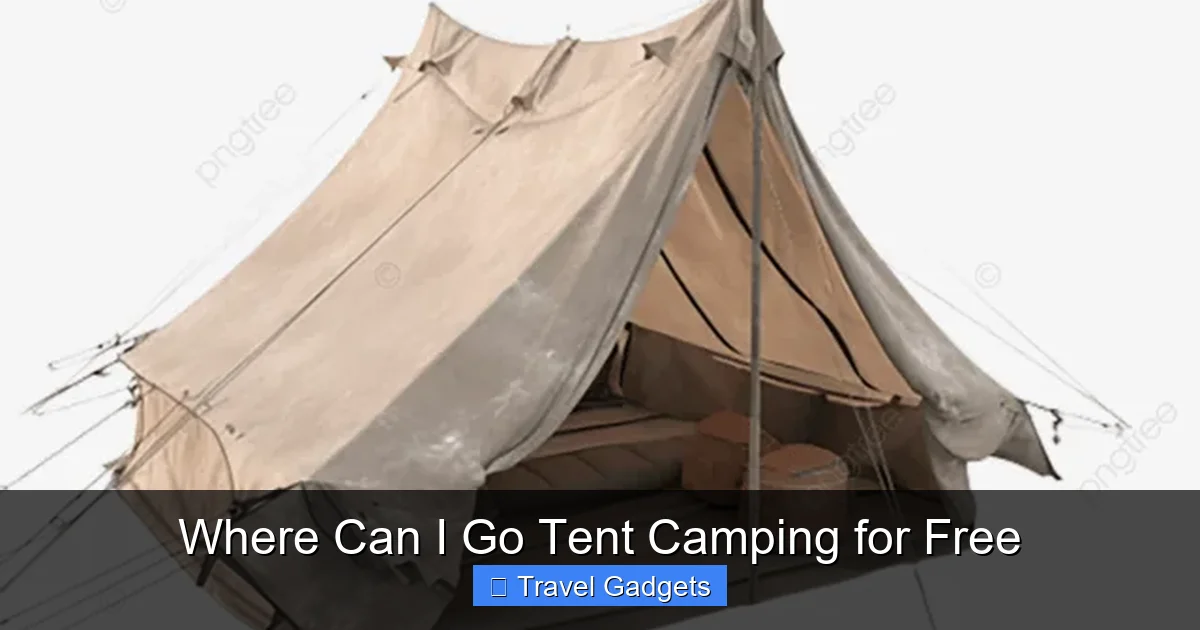
Visual guide about Where Can I Go Tent Camping for Free
Find the Best Accommodation Deals
Compare prices from multiple booking platforms and find the best option for your stay.
Compare Hotel PricesImage source: png.pngtree.com
So, where exactly can you go? The answer depends on your location, preferred scenery, and level of adventure. Below are some of the top categories of land where you can legally camp for free—or nearly free.
Find the Best Accommodation Deals
Compare prices from multiple booking platforms and discover the best stay options available.
⭐ Trusted by thousands of travelers
💰 Budget to luxury options available
Bureau of Land Management (BLM) Areas
The BLM manages over 247 million acres across 12 western states, including Nevada, Utah, Arizona, New Mexico, California, and parts of Oregon, Idaho, and Wyoming. One of its most popular perks? Dispersed camping—basically, you can set up camp almost anywhere, as long as you stay more than 1/4 mile from roads, trails, and water sources.
For instance, in Nevada’s Black Rock Desert, thousands of RVs and tents gather each summer for Burning Man, but just outside the festival zone, free camping is available year-round. Similarly, in Utah’s Canyonlands region, BLM land stretches endlessly across red rock landscapes, offering solitude and stargazing opportunities.
To find BLM land near you, visit the official BLM website or use interactive maps like BLM Trails. Many ranger stations also provide printed maps with recommended camping zones.
Best Stay Deals Available
Compare prices across top booking platforms and find the best deal for your stay.
Check Available RoomsNational Forests
National forests cover more than 193 million acres nationwide, and in most cases, free primitive camping is allowed along forest roads and backcountry trails. Unlike developed campgrounds, these sites typically lack restrooms, picnic tables, or fire rings—but they offer incredible access to hiking, fishing, and wildlife viewing.
Some standout examples include:
– Sierra National Forest (California): Offers free camping near Kern River and scenic byways like Highway 168.
– White Mountain National Forest (New Hampshire): Great for fall foliage hikes and alpine lakes.
– Custer Gallatin National Forest (Montana/S Wyoming): Ideal for grizzly bear country and open meadows.
Always carry a map or GPS device when exploring national forest roads, as many are unpaved and can become impassable after rain. Check with the local ranger district office for current road conditions and any seasonal closures.
State Parks and Public Lands
While most state parks charge entrance fees, many states offer free primitive camping on adjacent state trust lands or public forests. For example:
– Oregon allows free camping on certain state-managed forests, especially near the Columbia River Gorge.
– Texas has hundreds of miles of free BLM and U.S. Forest Service land along the Rio Grande.
– Maine permits free dispersed camping in many unorganized territories, provided you stay at least 150 feet from roads and waterways.
It’s worth calling your state’s Department of Natural Resources to ask about free camping options. Some states even host annual “Free Camping Days” during which selected parks waive fees for the day.
Military Bases and MWR Programs
Did you know you might be able to camp on an active military base? Through programs like Morale, Welfare & Recreation (MWR), service members and their families can access free or discounted camping at bases across the U.S. While civilians aren’t always welcome, some bases offer limited access during off-peak seasons.
For example, Fort Bragg in North Carolina and Joint Base Lewis-McChord in Washington have popular MWR campgrounds. Check with the local base visitor center or MWR office for eligibility and reservation requirements.
National Monuments and Wilderness Areas
Many national monuments and wilderness areas allow backcountry camping via permit systems, which are usually free or nominal. These areas often require hiking to reach your campsite, but the payoff is pristine solitude and untouched landscapes.
Examples include:
– Grand Staircase-Escalante National Monument (Utah): Offers free dispersed camping in remote canyon country.
– Wrangell-St. Elias National Park (Alaska): Requires a free backcountry permit for tent camping.
– Organ Pipe Cactus National Monument (Arizona): Allows free camping in designated areas, though water is scarce.
Always obtain permits in advance, especially in high-use areas. You can often apply online or at a local visitor center.
How to Find Free Camping Spots
Now that you know where to look, how do you actually find these hidden gems? Technology has made it easier than ever to locate free camping spots without driving aimlessly. Here are some of the best tools and resources:
Apps and Websites
Several apps specialize in mapping free and legal camping locations:
– FreeCampsites.net: A user-driven database with reviews, photos, and GPS coordinates.
– iOverlander: Popular among van lifers, it includes campsites, dump stations, and community forums.
– AllStays: While it shows paid sites too, it highlights free options with clear labels.
– Campendium: Aggregates data from multiple sources, including BLM and Forest Service listings.
These platforms often include real-time updates from other campers, helping you avoid overcrowded or closed sites.
Paper Maps and Ranger Stations
Don’t underestimate the power of a good topographic map. USGS quadrangle maps show BLM and Forest Service boundaries, and many include notes on dispersed camping zones. Stopping by a local ranger station can also give you insider tips—rangers often know about new roads, trailheads, or seasonal advisories.
Social Media and Online Forums
Facebook groups like “Free Camping USA” and Reddit communities such as r/FreeCamping are goldmines for recommendations. Just remember to verify any advice with official sources before heading out.
Essential Gear for Free Camping
Even if you’re camping for free, you still need the right equipment to stay safe and comfortable. Here’s a quick checklist:
- Lightweight tent with weather resistance
- Sleeping bag rated for expected temperatures
- Compact sleeping pad for insulation and comfort
- Portable stove and fuel (campfires may be banned due to fire danger)
- Water filtration system or purification tablets
- First aid kit and emergency shelter
- Headlamp or flashlight with extra batteries
- Map and compass or GPS device
- Insect repellent and sun protection
If you’re new to camping, consider renting gear or borrowing from friends before investing in your own setup. Lightweight, multi-use items save space and weight—perfect for solo or backpacking trips.
Responsible Camping: Leave No Trace Matters
One of the biggest challenges with free camping is balancing freedom with responsibility. When everyone treats the land well, these spots remain accessible and beautiful for future generations. Follow these Leave No Trace principles:
- Plan Ahead and Prepare: Know the regulations and leave minimal impact.
- Travel and Camp on Durable Surfaces: Pitch your tent on established sites or bare ground.
- Dispose of Waste Properly: Pack out all trash, food scraps, and toilet paper.
- Leave What You Find: Don’t disturb rocks, plants, or historical artifacts.
- Minimize Campfire Impact: Use a camp stove instead; if fires are allowed, burn only small sticks and fully extinguish them.
- Respect Wildlife: Observe animals from a distance and store food securely.
- Be Considerate of Other Visitors: Keep noise levels low and yield to hikers on trails.
Remember, what looks like empty land today might be someone’s home tomorrow. Respect private property lines, avoid sensitive habitats, and always ask before camping on tribal lands.
Seasonal Tips and Safety Considerations
Free camping isn’t always easy camping. Weather, wildlife, and access can change dramatically depending on the season. Here’s how to prepare:
Spring and Early Summer
This is peak season for many regions, so expect higher traffic. Wildflowers bloom in the Rockies, and snowmelt creates rushing rivers—great for photography, but tricky for crossing. Watch for mudslides in mountainous areas.
Summer
Warm weather draws crowds to lakeshores and deserts alike. In arid regions like Arizona or Nevada, daytime heat can exceed 100°F. Bring extra water, wear light clothing, and set up camp in shaded areas when possible.
Fall
Ideal for foliage hikes and cooler nights. However, early frost can sneak up in northern states. Check forecasts and bring layers.
Winter
Backpacking and winter camping are possible in many national forests, but avalanche risk and icy roads demand experience and proper gear. Never attempt winter camping alone unless you’re highly skilled.
Safety tip: Always tell someone your itinerary, carry a satellite communicator (like Garmin inReach), and know basic first aid. Even in remote areas, help is often closer than you think.
Frequently Asked Questions
Is it really legal to camp for free on public land?
Yes, but only on designated public lands that allow dispersed or primitive camping. Always check local rules—some areas require permits or prohibit overnight stays. Unauthorized camping on private or protected land is illegal and can result in fines.
Can I camp for free inside national parks?
Most national parks charge entrance fees and require reservations for developed campgrounds. However, some backcountry areas allow free camping with a permit. Examples include Yosemite’s High Sierra Camps and Yellowstone’s backcountry zones. Permits are usually free or low-cost and available at visitor centers.
Do I need a permit to camp for free on BLM land?
No permit is required for dispersed camping on BLM land in most western states. However, you must follow guidelines like staying 1/4 mile from roads and water sources. Always verify current rules with the local BLM office, as policies can change.
Are there free camping apps I can download?
Yes! Popular apps include FreeCampsites.net, iOverlander, AllStays, and Campendium. These tools map legal free camping spots, share user reviews, and often include GPS coordinates. They’re especially useful for finding reliable sites in unfamiliar areas.
What should I do if I encounter wildlife while camping for free?
Store all food, toiletries, and scented items in airtight containers and keep them away from your tent. Never feed animals, and maintain a safe distance. If you see bears, make noise while hiking and back away slowly. Carry bear spray in grizzly country.
Can I camp for free near my city?
Possibly. Many cities manage nearby public lands or have county forests with free dispersed camping. Use apps like FreeCampsites.net to search by ZIP code or city name. Just remember to respect urban-rural boundaries and avoid residential areas.