
Beach tent camping offers a unique blend of adventure and relaxation, but knowing where it’s allowed is key. Whether you’re chasing sunrise views or quiet evenings by the waves, this guide reveals the top legal spots across the U.S. and beyond—plus tips for packing light, respecting nature, and staying safe. From Oregon’s rugged shores to Florida’s sandy trails, your dream beachside getaway starts here.
There’s something magical about pitching your tent right on the sand, lulled to sleep by the rhythm of waves and waking up to the sound of gulls overhead. Tent camping on the beach blends the thrill of wilderness exploration with the soothing proximity of the ocean. But before you grab your gear and head for the shoreline, it’s essential to know: **where can I tent camp on the beach?** The answer isn’t always obvious—many popular beaches prohibit camping overnight, while others require permits or have strict rules to protect fragile ecosystems.
Check the latest prices and available rooms before they sell out.
This guide walks you through the best legal options across the country, from scenic state parks to remote stretches of coastline. Whether you’re a weekend warrior or planning your first coastal adventure, we’ll help you find safe, permitted spots where you can enjoy the ultimate seaside experience—without breaking any rules.
—
Key Takeaways
- Check local regulations: Not all beaches allow overnight stays—some ban tents entirely or require permits.
- Look for designated campgrounds: Many coastal state and national parks offer beachfront tent sites with amenities.
- Public vs. private lands: Some public beaches allow dispersed camping; others are strictly regulated due to erosion or wildlife.
- Prepare for tides and weather: Bring elevated tarps, sand anchors, and know how to read tide charts.
- Practice Leave No Trace: Pack out all trash, avoid disturbing dunes, and use reef-safe sunscreen.
- Book early in peak seasons: Coastal spots fill fast—reserve 6–12 months ahead when possible.
📑 Table of Contents
- Understanding Beach Camping Regulations
- Top Legal Tent Camping Beaches by Region
- Packing Smart for Beach Tent Camping
- Safety Tips for Beach Campers
- Leave No Trace: Protecting the Coast
- Best Times and Seasons for Beach Tent Camping
- Alternatives to Traditional Beach Camping
- Final Thoughts: Your Coastal Adventure Awaits
Understanding Beach Camping Regulations
Before you start dreaming about sleeping under the stars with the ocean as your soundtrack, let’s talk about the law. In many places, **tent camping on the beach is not allowed year-round**, and some areas ban it entirely. This isn’t just bureaucracy—it’s about protecting sensitive habitats, preventing erosion, and ensuring visitor safety.
For example, in California, the state prohibits overnight camping on most public beaches unless you’re at a designated campground like Point Reyes or Big Sur’s coastal sites. Even then, permits are often required. Similarly, in Florida, many county-run beaches don’t allow tents, but state parks like Anastasia or Bahia Honda do. Always check with local authorities before setting up your shelter.
Some states, like Washington and Maine, have more lenient policies. Dispersed camping (camping outside of official sites) may be allowed on certain stretches of public land, but even there, rules vary by county and time of year. The key is research: what works in one spot might be illegal 50 miles down the coast.
—
Top Legal Tent Camping Beaches by Region
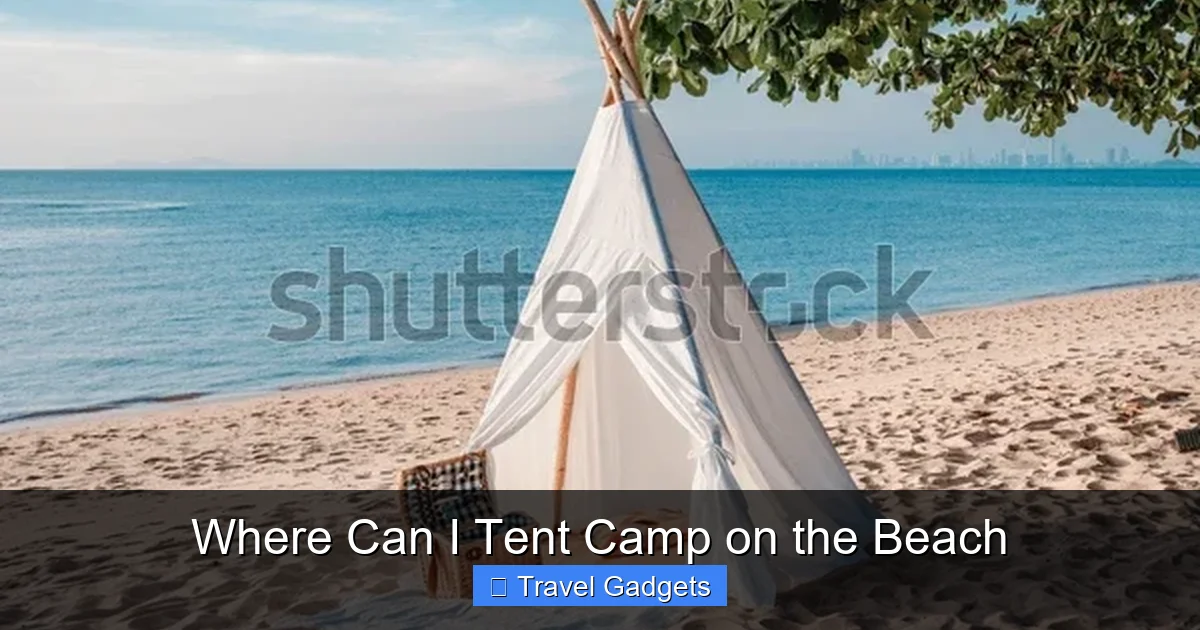
Find the Best Accommodation Deals
Compare prices from multiple booking platforms and find the best option for your stay.
Compare Hotel PricesVisual guide about Where Can I Tent Camp on the Beach
Image source: shutterstock.com
Find the Best Accommodation Deals
Compare prices from multiple booking platforms and discover the best stay options available.
⭐ Trusted by thousands of travelers
💰 Budget to luxury options available
Finding a legal beach for tent camping means looking beyond the postcard-perfect shorelines. You’ll want to focus on areas managed by national or state parks, which typically offer designated tent sites with fire pits, restrooms, and access to water.
The West Coast: Rugged Beauty Meets Adventure
California leads the pack with several stunning beach campgrounds. **Cannon Beach’s Ecola State Park** offers tent sites with panoramic views of Haystack Rock. Reservations open six months in advance—book early! Further north, **Gold Bluffs Beach State Park** in Mendocino County provides primitive sites right on the Pacific. Just be prepared for fog and wind.
Oregon’s **Cape Perpetua** is another gem. Managed by the U.S. Forest Service, it allows dispersed camping along Highway 101 between sites. Stay at least 100 feet from roads and trails, and never leave food unattended (raccoons aren’t the only ones drawn to snacks).
Best Stay Deals Available
Compare prices across top booking platforms and find the best deal for your stay.
Check Available RoomsWashington’s **Olympic National Park** includes several beach-accessible campgrounds. **Kalaloch Beach Campground** is a favorite, though it’s small and fills fast. For solitude, try **Rialto Beach**, which allows backcountry camping with a permit—perfect for multi-day hikes.
The East Coast: Quaint Villages and Secluded Shores
On the Atlantic side, **Acadia National Park in Maine** offers tent sites at Blackwoods and Seawall Campgrounds. Both are near sandy beaches and hiking trails. **Cape Henlopen State Park in Delaware** is another excellent choice—its beach campground has flush toilets and showers.
In the Carolinas, **Jekyll Island’s Great Dunes Park** allows tent camping just steps from the sand. And in Florida, **Bahia Honda State Park** on Key Largo features elevated wooden platforms over the water—ideal if you love being near the sea without getting soaked.
The Gulf Coast: Warm Sands and Calm Waters
Texas’s **Padre Island National Seashore** is a rare spot where dispersed camping is allowed. You’ll need a free permit and must stay off the dune grass to protect nesting sea turtles. In Louisiana, **Grand Isle State Park** offers tent sites with direct beach access.
Alabama’s **Gulf State Park** is one of the few Gulf Coast locations with an official beach campground. With picnic tables, grills, and restrooms, it’s family-friendly and close to fishing piers.
International Options: Beyond the U.S.
If you’re up for a trip abroad, consider **Moraine Lake in Canada** or **Bali’s Lovina Beach** (with local homestay permits). In Australia, **Ningaloo Reef** allows beach camping with park ranger approval. Always verify visa requirements and seasonal closures.
—
Packing Smart for Beach Tent Camping
Visual guide about Where Can I Tent Camp on the Beach
Image source: static-01.daraz.com.bd
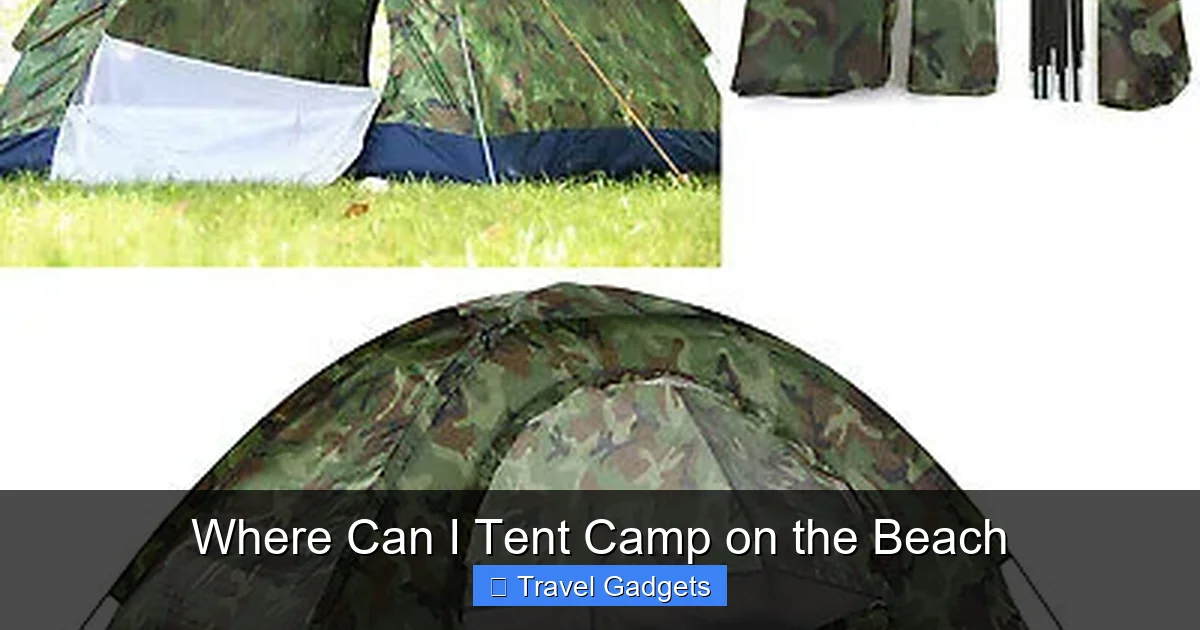
Tent camping on the beach requires different gear than inland adventures. Sand shifts quickly, saltwater corrodes equipment, and tides can surprise even the most prepared camper. Here’s what you need:
– **A sturdy, waterproof tent**: Look for models with bathtub-style floors and sand-resistant stakes.
– **Sand anchors or weighted ropes**: Regular tent stakes won’t hold in shifting dunes.
– **Elevated tarp or groundsheet**: Keep your sleeping pad dry from damp sand.
– **Reef-safe sunscreen and insect repellent**: Coastal areas can be hot and buggy.
– **Waterproof bags for electronics**: A sudden rain shower or sea spray can ruin phones and cameras.
– **Headlamp with red light mode**: Preserves night vision and doesn’t disturb wildlife.
Also, bring extra towels—they dry faster on the beach than in a tent. And don’t forget a small shovel for digging shallow holes to anchor tents or dispose of waste responsibly.
—
Safety Tips for Beach Campers
Visual guide about Where Can I Tent Camp on the Beach
Image source: static-01.daraz.com.bd
The ocean brings beauty, but also risks. Here’s how to stay safe while enjoying the coast:
– **Know the tide schedule**: Never set up camp too close to the high-tide line. A storm surge or high tide can flood your site in minutes.
– **Avoid camping near dunes or vegetation**: Protect nesting birds and prevent erosion.
– **Store food securely**: Use bear canisters or hang food bags if required. Rodents and raccoons love coolers left unattended.
– **Check weather forecasts**: Sudden storms can bring strong winds, lightning, or flash floods.
– **Bring a whistle and flashlight**: In case of emergency, visibility is low after dark.
– **Respect marine life**: Don’t touch coral, sea stars, or turtles. If you see a stranded animal, contact local wildlife officials.
It’s also wise to tell someone your plans and expected return time. Cell service is often spotty, so plan accordingly.
—
Leave No Trace: Protecting the Coast
Beach environments are fragile. To keep them wild and beautiful for future campers, follow these principles:
– **Pack out everything**: That means wrappers, bottle caps, and even cigarette butts. Sand can look clean, but microplastics linger.
– **Use established fire rings**: Wildfires are devastating to coastal ecosystems. If fires aren’t allowed, cook with a portable stove.
– **Stay on durable surfaces**: Avoid trampling dune grasses or stepping on tidal pools.
– **Minimize campfire impact**: Use existing fire rings and keep fires small.
– **Respect wildlife**: Observe animals from a distance. Feeding them harms their natural behaviors.
By camping responsibly, you help preserve these treasured landscapes—and ensure they remain accessible for years to come.
—
Best Times and Seasons for Beach Tent Camping
Timing matters. Summer brings crowds and higher prices, but also the warmest weather. Spring and fall offer milder temperatures and fewer people, ideal for peaceful retreats. Winter camping is possible in warmer climates like Florida or Southern California, but be ready for cooler nights and potential rain.
In northern regions, summer is the only realistic window. Check for seasonal closures due to turtle nesting (common in Florida and Mexico) or storm season (June–November in the Gulf and Atlantic).
Always book ahead during holidays and school breaks. Weekdays are usually quieter and more affordable.
—
Alternatives to Traditional Beach Camping
Not every beach allows tents—but that doesn’t mean you can’t enjoy the coast overnight. Consider these options:
– **Yurts or cabins**: Many state parks offer elevated beachside yurts or rustic cabins. They’re pricier but include beds, heat, and privacy.
– **Boat-in camping**: Access secluded coves via kayak or small boat. Popular in places like the Florida Keys or Lake Superior.
– **Glamping**: Luxury beach tents with real mattresses and electricity exist in resorts like those in Maui or the Outer Banks.
– **Coastal hostels or B&Bs**: Some offer beach access and basic amenities without roughing it.
These alternatives let you soak in the ocean breeze without sacrificing comfort.
—
Final Thoughts: Your Coastal Adventure Awaits
Tent camping on the beach is more than a vacation—it’s a chance to reconnect with nature, silence the noise of daily life, and wake up to the sound of the surf. With the right planning, it’s both rewarding and responsible. Remember: **where can I tent camp on the beach?**—look for designated campgrounds, secure permits, and respect local rules.
Whether you’re gazing at bioluminescent waves in Florida or watching whales breach off the Oregon coast, these moments are unforgettable. So pack your tent, grab your sense of adventure, and head for the shore. The perfect seaside campsite is waiting.
Frequently Asked Questions
Is tent camping allowed on all beaches?
No, tent camping is prohibited on most public beaches unless you’re at a designated campground or area that explicitly allows it. Always check local regulations before setting up your tent.
Do I need a permit to camp on the beach?
It depends on the location. Some state parks and national forests require permits for beach camping, especially in protected areas. Others allow free dispersed camping with minimal restrictions.
What’s the best way to secure my tent in sand?
Use long sand stakes, weighted ropes, or even PVC pipes driven deep into the sand. Anchoring your tent to driftwood or rocks can also help, but avoid damaging natural features.
Can I have a campfire on the beach?
Fires are often restricted to protect coastal ecosystems and prevent wildfires. If allowed, use only in designated fire rings and fully extinguish before leaving.
Are bathrooms available at beach campgrounds?
Most official beach campgrounds have restrooms, showers, and picnic tables. Primitive sites may only have pit toilets or none at all, so come prepared.
How far should my tent be from the water?
At minimum, stay 50–100 feet from the high-tide line to avoid flooding. Follow posted signs and local guidelines, especially in areas with endangered species or erosion concerns.