
Yosemite National Park is a paradise for tent campers, offering stunning landscapes, diverse ecosystems, and unforgettable outdoor experiences. Whether you’re drawn to the iconic valley views or the serenity of backcountry trails, this guide will help you find the perfect place to pitch your tent and make memories under the stars.
Key Takeaways
- Permits are essential: Most popular campgrounds require advance reservations—book early through recreation.gov.
- Backcountry camping offers solitude: For a true wilderness experience, obtain a free wilderness permit and hike into remote areas like Tuolumne Meadows or the John Muir Trail.
- High country vs. low country: Camping at higher elevations (like Glacier Point) means cooler temps and snow, while lower areas (like Yosemite Valley) offer easier access but more crowds.
- Leave No Trace is non-negotiable: Pack out all trash, minimize fire use, and respect wildlife—this ensures Yosemite remains pristine for future campers.
- Season matters: Summer is peak season; spring and fall offer fewer crowds and wildflowers (or fall colors), but some roads close in winter.
- Cell service is rare: Download maps and guides before heading in—GPS won’t save you if you’re lost without signal.
- Practice safety first: Bring layers, bear-proof food storage, and know basic trail etiquette to stay safe and respectful.
📑 Table of Contents
- Where to Tent Camp in Yosemite: A Complete Guide for Outdoor Enthusiasts
- Popular Developed Campgrounds in Yosemite
- Lesser-Known Campgrounds Worth Exploring
- Backcountry Camping: Escape the Crowds
- Tips for a Successful Yosemite Tent Camping Trip
- Seasonal Considerations for Camping in Yosemite
- Conclusion: Find Your Perfect Spot in Yosemite
Where to Tent Camp in Yosemite: A Complete Guide for Outdoor Enthusiasts
Imagine waking up to the crisp mountain air, the scent of pine trees, and the distant echo of a river rushing through granite canyons. That’s the magic of tent camping in Yosemite National Park—a place where nature doesn’t just welcome you, it embraces you. Whether you’re a seasoned backpacker or a first-time camper looking to dip your toes into the great outdoors, Yosemite offers something for everyone. From sun-drenched meadows to shadowed forest groves, the park’s vast wilderness invites you to disconnect from the world and reconnect with yourself.
Check the latest prices and available rooms before they sell out.
But with over 100 miles of hiking trails and dozens of campgrounds, choosing where to set up your tent can feel overwhelming. That’s why we’ve put together this comprehensive guide. We’ll walk you through the best places to camp—both developed campgrounds and backcountry sites—so you can focus on what really matters: making memories under the stars. Let’s dive in and find your perfect spot in one of America’s most beloved national parks.
Popular Developed Campgrounds in Yosemite
If you’re new to Yosemite or prefer a more structured camping experience, the park’s developed campgrounds are your go-to. These sites offer amenities like restrooms, potable water, and picnic tables—perfect for families or those who want comfort without sacrificing natural beauty.
Yosemite Valley Campground
This is the crown jewel of Yosemite camping, located right in the heart of the park’s most famous valley. With 304 sites, it’s the largest campground and the only one that allows RVs up to 27 feet. Sites are mostly tent-friendly, though some are shared with trailers. The downside? It fills up within minutes of opening each reservation window—usually in December or March for summer bookings.
- Best for: First-time visitors, families, and those who want easy access to landmarks like El Capitan and Bridalveil Fall.
- Amenities: Restrooms with showers, potable water, dump station, and a nearby shuttle system.
- Tip: Arrive early on weekends to secure a walk-up site if you didn’t reserve one—though availability is rare.
Upper Pines Campground
Just a short walk from Yosemite Village, Upper Pines is slightly smaller than Yosemite Valley (260 sites) but still highly sought after. It’s known for its mix of shaded and open sites, making it ideal for those who want both privacy and convenience.
- Best for: Campers who want proximity to the village but don’t mind a bit of foot traffic.
- Bonus: Some sites have partial shade and are closer to the Merced River—perfect for a morning dip.
North Pines Campground
For a quieter vibe, North Pines sits across the river from Yosemite Village. It’s less crowded than Upper Pines and offers larger sites with more space between tents. It’s especially popular among photographers and birdwatchers.
- Best for: Nature lovers and those seeking a peaceful retreat without sacrificing access to park services.
Lesser-Known Campgrounds Worth Exploring
While Yosemite Valley gets all the glory, the park has several lesser-known campgrounds that offer a more intimate experience. These sites often have fewer crowds, better availability, and stunning scenery—all without the long lines at the main entrances.
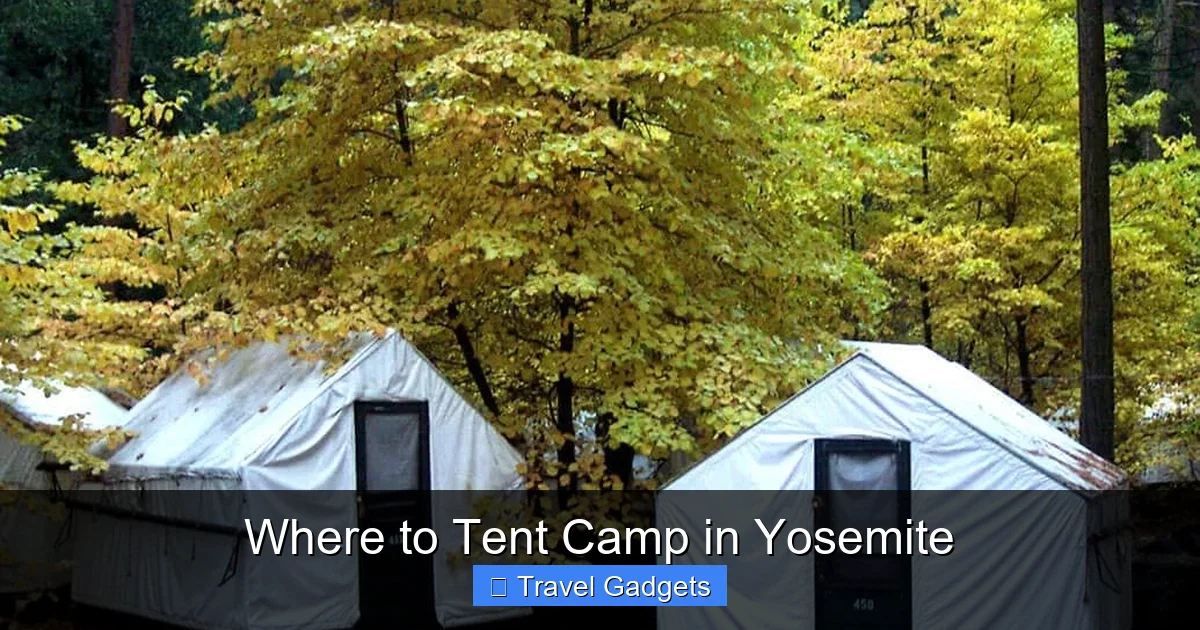
Find the Best Accommodation Deals
Compare prices from multiple booking platforms and find the best option for your stay.
Compare Hotel PricesVisual guide about Where to Tent Camp in Yosemite
Image source: yosemite.com
Find the Best Accommodation Deals
Compare prices from multiple booking platforms and discover the best stay options available.
⭐ Trusted by thousands of travelers
💰 Budget to luxury options available
Mather Campground
Located near the Tioga Pass entrance, Mather Campground is the largest in the park’s high country. With 385 sites, it’s a favorite among RV owners and families planning extended stays. The campground sits at 7,800 feet elevation, so expect cooler nights and breathtaking alpine views.
- Best for: High-elevation camping, stargazing, and access to trails like the Mist Trail and Half Dome Cable Route.
- Note: Reservations are required year-round, and winter closures begin in late October.
Cherry Lake Campground
Hidden away near Tuolumne Meadows, Cherry Lake Campground offers 19 sites along the shores of a serene alpine lake. It’s accessible by car during summer months and provides a true wilderness escape.
- Best for: Solo travelers, couples, and those who want to wake up to reflections of granite peaks on the lake.
- Access: Open from mid-June to mid-October due to snowmelt.
Wawona Campground
Tucked into the southern part of the park near the Mariposa Grove of Giant Sequoias, Wawona Campground is a peaceful alternative to the busier valley sites. With 99 sites, it’s perfect for history buffs and nature enthusiasts alike.
Best Stay Deals Available
Compare prices across top booking platforms and find the best deal for your stay.
Check Available Rooms- Best for: Day trips to the sequoias, horseback riding, and exploring the historic Wawona Hotel.
- Pro tip: This area is also a great base for backpacking into the Sierra Nevada backcountry.
Backcountry Camping: Escape the Crowds
If you’re ready to trade tent pads for wildflower-lined meadows and star-strewn skies, backcountry camping in Yosemite is the ultimate adventure. While it requires more planning and physical effort, the rewards are unmatched.
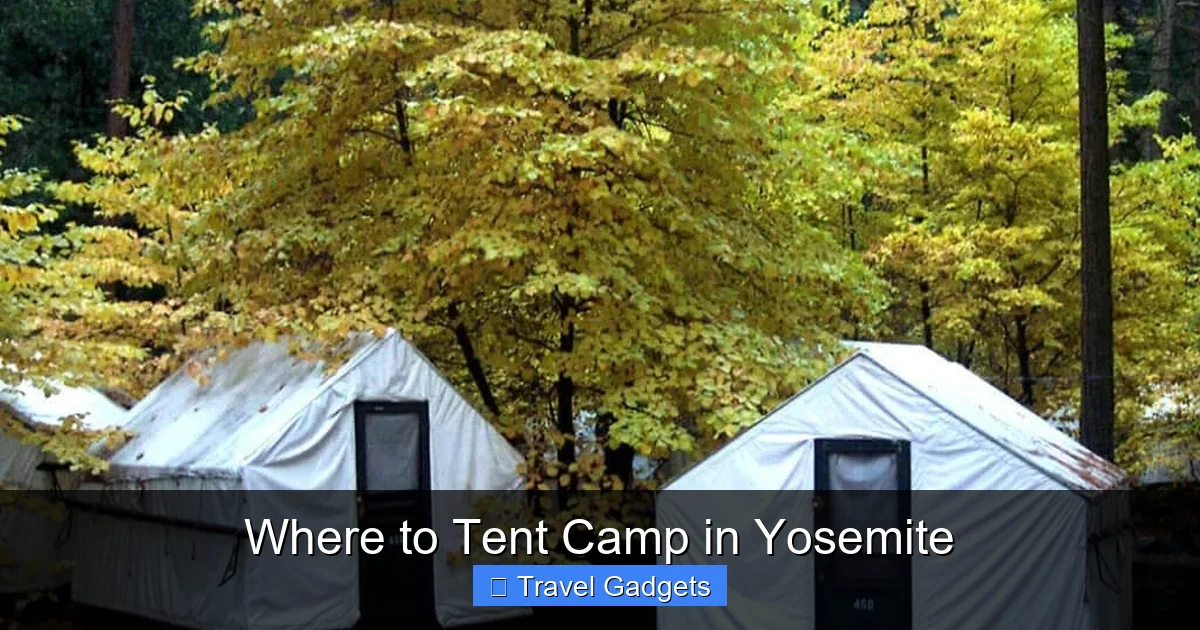
Visual guide about Where to Tent Camp in Yosemite
Image source: yosemite.com
How to Get a Backcountry Permit
Every camper must obtain a free wilderness permit from a self-issue station at the trailhead or Yosemite Valley registration desk. Permits are limited to 20 people per night, so arrive early—especially on weekends. You’ll need to sign in, pay a small fee ($5–$10), and state your intended route.
- Required gear: Bear-resistant food canister, sleeping bag rated for cold weather, and a map/compass or GPS.
- Stay limit: Typically 3–5 days, depending on the area.
Top Backcountry Spots
- Lyell Canyon: A 12-mile round-trip hike that leads to pristine lakes and towering cliffs. Ideal for multi-day hikes.
- Merced River High Sierra Camps: Designated campsites along the river, offering comfort without luxury. Reserve in advance.
- Clouds Rest: A challenging but rewarding day hike with panoramic views of Yosemite Valley and Half Dome.
Tips for a Successful Yosemite Tent Camping Trip
Even the best campgrounds and trails won’t matter if your trip goes sideways. Here are some practical tips to ensure you have a safe, enjoyable, and eco-friendly experience.
Plan Ahead
Yosemite’s popularity means reservations fill fast. Use recreation.gov to book your campground site as soon as tickets go on sale. If you’re flexible, consider visiting in shoulder seasons—late May or early June, or September and October—when crowds thin and prices drop.
Pack Smart
- Bear safety: Store all food, toiletries, and scented items in a bear canister. Never keep them in your tent.
- Weather readiness: Nights can drop below freezing, even in summer. Bring warm layers, a good sleeping bag, and a waterproof tent.
- Water sources: Treat all stream and lake water before drinking. Bring a filter or purification tablets.
Practice Leave No Trace
Yosemite’s beauty is fragile. Follow these principles:
- Pack out all trash: Even apple cores and orange peels take years to decompose in the wilderness.
- Use established fire rings: Wildfires are devastating to the ecosystem.
- Stay on trails: Off-trail hiking damages vegetation and disturbs wildlife.
Know the Rules
Yosemite has specific regulations to protect its environment. For example:
- Campfires are banned in Yosemite Valley from July to September.
- Dogs are allowed only in developed campgrounds and on paved paths.
- Loud music and generators are prohibited after 10 PM.
Seasonal Considerations for Camping in Yosemite
The best time to visit depends on your priorities. Each season offers unique advantages and challenges.
Summer (June–September)
- Pros: All roads and trails are open, wildflowers bloom, and temperatures are mild.
- Cons: Crowds are intense, and reservations are nearly impossible without booking months ahead.
Spring (April–May)
- Pros: Fewer tourists, waterfalls at their peak flow, and lower rates.
- Cons: Snow can still block high-elevation roads like Tioga Pass until late June.
Fall (October–November)
- Pros: Beautiful fall colors, comfortable weather, and peaceful trails.
- Cons: Some facilities close early, and daylight hours shorten.
Winter (December–March)
- Pros: Solitude, snowshoeing, and cross-country skiing opportunities.
- Cons: Many roads and campgrounds are closed. Access is limited to the south entrance.
Conclusion: Find Your Perfect Spot in Yosemite
Tent camping in Yosemite isn’t just about sleeping under the stars—it’s about immersing yourself in one of the most awe-inspiring landscapes on Earth. Whether you choose the bustling energy of Yosemite Valley or the quiet solitude of the backcountry, every moment spent pitching your tent in this park is worth it.
With proper planning, respect for the environment, and a spirit of adventure, your Yosemite camping trip can be nothing short of magical. So pack your gear, grab your map, and get ready to create memories that will last a lifetime. Just remember: the best place to camp isn’t always the most popular one—sometimes, the quietest spot beneath a giant sequoia is exactly what you need.
Frequently Asked Questions
Is it possible to get a campsite without a reservation?
Yes, but it’s extremely unlikely at popular sites like Yosemite Valley. Walk-up sites may be available if you arrive early, but competition is fierce. Consider less-crowded campgrounds like Cherry Lake or Wawona for better chances.
Can I bring my dog to Yosemite campgrounds?
Yes, but only in designated areas. Dogs are allowed in Yosemite Valley campgrounds and on paved paths. They are not permitted on trails, in the backcountry, or in wilderness areas. Always keep dogs leashed and clean up after them.
Do I need a bear canister in Yosemite?
Yes, if you’re camping in Yosemite Valley or the backcountry. Bears are present year-round, and food storage is mandatory. You can rent bear canisters at the park’s visitor centers or purchase them online before your trip.
What’s the difference between frontcountry and backcountry camping?
Frontcountry camping occurs in developed campgrounds with amenities like restrooms and water. Backcountry camping involves hiking into remote areas with no facilities—you carry all supplies and follow strict Leave No Trace practices.
Are campfires allowed in Yosemite?
Campfires are generally allowed in developed campgrounds, but bans may be imposed during dry conditions or fire season. Check current fire restrictions before your trip. In Yosemite Valley, fires are typically banned from July to September.
How far in advance should I book a Yosemite campsite?
Reservations open six months in advance and usually sell out within minutes. Book as soon as tickets become available—typically in December for summer dates or March for peak season. Use recreation.gov and be ready to act fast.