
Choosing the right camping tent makes all the difference in comfort and safety. Whether you’re backpacking or car camping, the best tents balance durability, weight, and weather resistance. This guide walks you through top picks and key features to help you pick the ideal shelter for your next adventure.
Camping is more than just sleeping under the stars—it’s about creating a safe, comfortable base camp in nature. And at the heart of every great camping trip? A reliable, well-chosen tent. Whether you’re pitching it in a national park, deep in the backcountry, or at a family-friendly campsite, the right tent can mean the difference between restful nights and restless ones. With so many options available, picking the best tent for camping can feel overwhelming. That’s why this guide breaks down everything you need to know—from tent types and materials to weatherproofing and setup tips—so you can make an informed decision.
Check the latest prices and available rooms before they sell out.
But first: what makes one tent better than another? It’s not just about looks or brand names. The best tents are thoughtfully designed with real-world conditions in mind. They’re lightweight yet strong, quick to set up, and built to handle wind, rain, and temperature changes. In this article, we’ll explore the top contenders across different categories—backpacking, car camping, family trips, and more—so you can find the perfect match for your next adventure.
Key Takeaways
- Tent Type Matters: Choose from freestanding, dome, tunnel, or cabin-style tents depending on your trip style and environment.
- Weather Protection Is Key: Look for waterproof ratings (e.g., 2000mm+), full-coverage rainflys, and sealed seams to stay dry in storms.
- Weight vs. Space Trade-Off: Ultralight tents save energy on hikes but sacrifice interior space—match your needs accordingly.
- Ease of Setup Counts: Color-coded poles and intuitive designs reduce setup time—great for solo campers or rainy mornings.
- Vents and Mesh Layers: Mesh panels improve airflow and reduce condensation while keeping bugs out.
- Footprint and Accessories: Always use a footprint to protect the tent floor and extend its life.
- Brand Reliability: Trusted brands like REI Co-op, Coleman, MSR, and Big Agnes offer tested performance across conditions.
📑 Table of Contents
- Types of Tents: Matching Design to Your Adventure
- Material & Construction: What Makes a Tent Durable?
- Weather Protection: Staying Dry and Safe Outdoors
- Size and Capacity: How Much Room Do You Really Need?
- Setup Simplicity: No Stress, Just Camping
- Top Picks by Category: Best Overall, Lightweight, and Budget Options
- Tips for Choosing and Caring for Your Tent
Types of Tents: Matching Design to Your Adventure
Not all tents are created equal. The shape and structure of your tent should align with how you plan to use it. Let’s look at the most common types and when they shine.
Dome Tents: The All-Rounder Champion
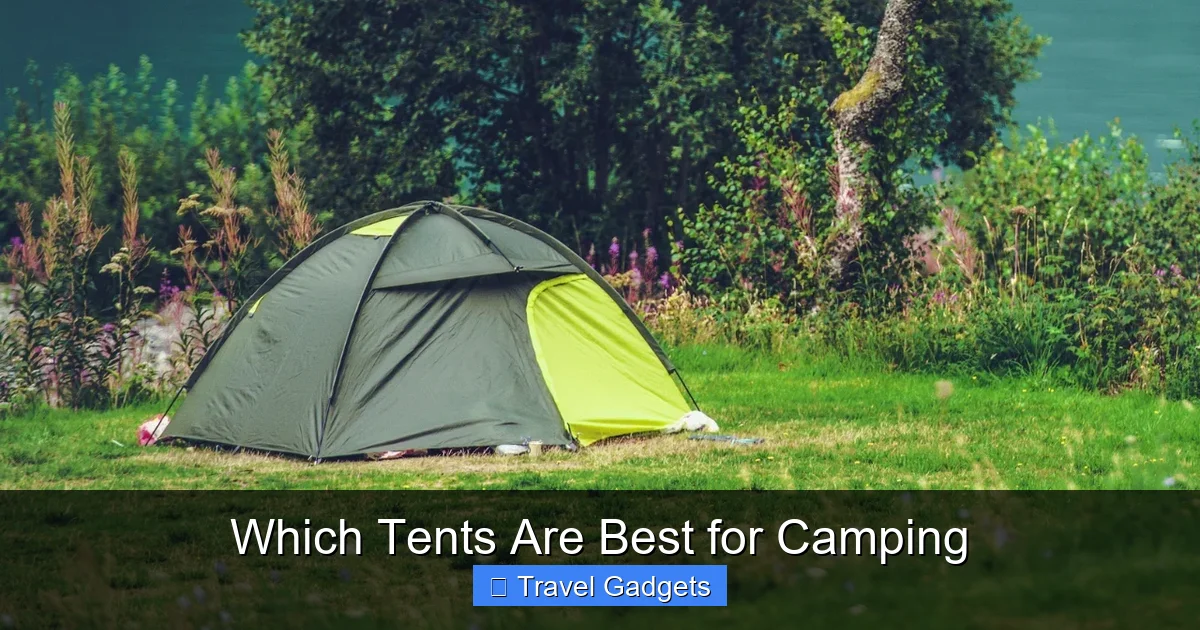
Dome tents are perhaps the most popular choice among campers. Their curved design offers excellent wind resistance and uses fewer poles, making them stable and easy to assemble. Brands like REI Co-op and Coleman offer models such as the REI Co-op Half Dome SL 2+, which balances roominess with manageable weight for weekend getaways.
Freestanding vs. Non-Freestanding Tents
Freestanding tents can stand alone without stakes or anchors—ideal for flat ground and easy relocation. Non-freestanding tents rely on guylines and anchors, often lighter, and better suited for rocky or uneven terrain where stakes might not hold. For backpackers, non-freestanding tents like those from MSR can save significant weight.
Cabin Tents: Spacious Family Shelters
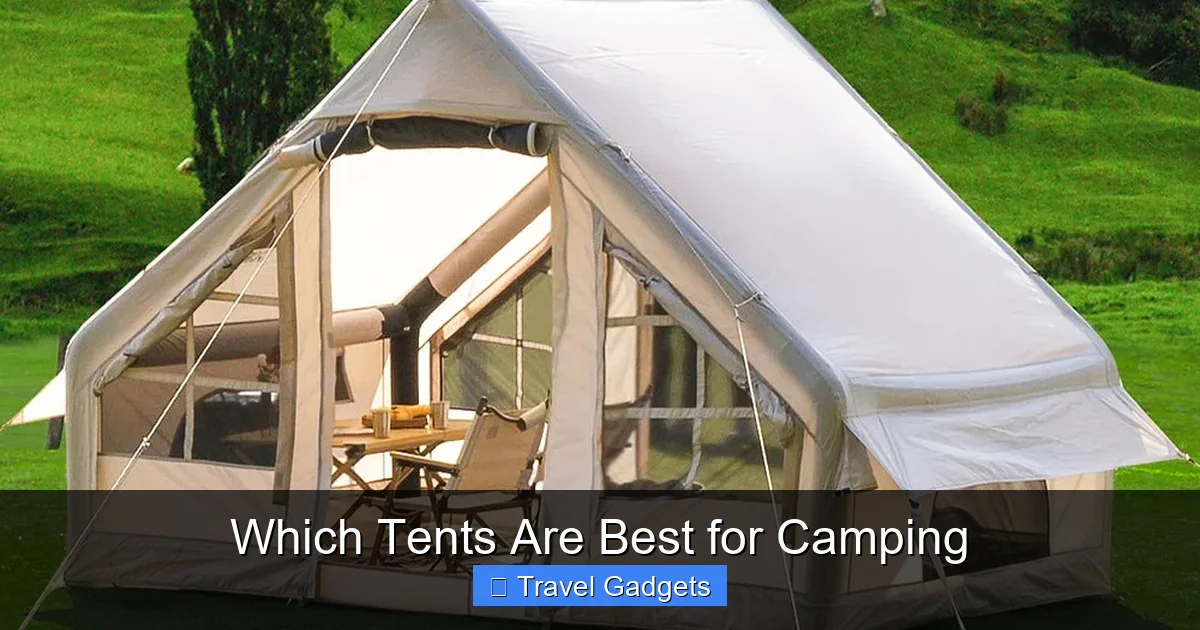
If you’re camping with kids or need extra gear storage, cabin-style tents offer vertical walls and high ceilings. Think of them as tiny cabins on poles—perfect for car campers who value space over portability. The Coleman Sundome Tent is a classic example, offering affordability and durability for group trips.
Backpacking Tents: Lightweight Without Sacrificing Function
For thru-hikers or minimalist campers, ultralight backpacking tents prioritize weight savings without losing essential features. Models like the Big Agnes Fly Creek UL2 use advanced fabrics and pole systems to deliver packable size and fast setup. These tents often feature two-person capacity and are designed to be used with trekking poles.
Material & Construction: What Makes a Tent Durable?
Find the Best Accommodation Deals
Compare prices from multiple booking platforms and find the best option for your stay.
Compare Hotel PricesVisual guide about Which Tents Are Best for Camping
Image source: thedailycamping.com
Find the Best Accommodation Deals
Compare prices from multiple booking platforms and discover the best stay options available.
⭐ Trusted by thousands of travelers
💰 Budget to luxury options available
The materials inside your tent affect both comfort and longevity. Understanding fabric, poles, and coatings helps you spot quality craftsmanship.
Fabric Quality and Waterproof Ratings
Tent fabric is measured by its denier rating—higher numbers mean thicker, more durable material. Most mid-range tents use 75D polyester, while premium models opt for ripstop nylon (like the MSR Hubba Hubba NX 2). Waterproof ratings (measured in mm) indicate how much pressure water can exert before leaking. Look for ≥2000mm for light rain and ≥3000mm for heavy downpours.
Poles and Frame Systems
Aluminum alloy poles strike the best balance between strength and weight. Carbon fiber is even lighter but more expensive. Many modern tents use single-pole systems or color-coded components to simplify assembly. For example, the Kelty Salida 4 uses a unique dual-pole design that enhances stability in windy conditions.
Best Stay Deals Available
Compare prices across top booking platforms and find the best deal for your stay.
Check Available RoomsSeams and Rainflies
Fully taped seams prevent water seepage at stitching points—a must-have during storms. Full-coverage rainflies extend coverage around the tent’s base, protecting zippers and doors from direct rain. Some high-end models, like the Nemo Hornet Elite 3, feature storm-resistant flysheets with reinforced corners.
Weather Protection: Staying Dry and Safe Outdoors
Visual guide about Which Tents Are Best for Camping
Image source: static.wixstatic.com
No matter how beautiful the forecast looks, Mother Nature loves surprises. The best camping tents prepare you for sudden weather shifts.
Wind Resistance Features
Curved profiles and multiple guylines enhance stability. Look for tents with reinforced pole junctions and strategic guyline attachment points. Dome tents generally outperform flat-walled designs in gusty conditions because their shape distributes force evenly.
Condensation Control
Cold air holds less moisture than warm air—so when warm breath meets cool tent walls, condensation forms. Mesh panels in the upper body allow moist air to escape while keeping rain out. Double-layer tents (separate inner + outer shell) also help manage condensation by creating an insulating air gap.
Ventilation and Mesh Doors
Two large mesh doors increase airflow dramatically compared to single-door designs. Some tents even include vestibules—small covered areas outside the main door—to store gear without tracking mud inside. The REI Co-op Kingdom 6 includes six total doors and vents, ideal for hot summer nights.
Size and Capacity: How Much Room Do You Really Need?
Tent capacity is usually listed as “sleeping 2–3 people” or similar. But realistically, cramming three adults into a “3-person” tent feels tight—especially if you bring luggage or pets. Consider these factors:
– Backpacking: One person per tent; share only if you’re close friends and don’t mind limited privacy.
– Family Camping: Add one extra person beyond official capacity for comfort.
– Gear Storage: Vestibules and floor space outside the sleeping area matter for stashing boots, backpacks, and food.
Always check floor dimensions and peak height if you’re tall or want to sit up comfortably. The Eureka! Copperhead 3 offers generous headroom (68 inches!) and a spacious footprint, making it a favorite among taller campers.
Setup Simplicity: No Stress, Just Camping
Nothing kills a camping vibe faster than struggling with tangled poles and mismatched clips. Modern tents address this with smart engineering.
Color-Coded Components
Many brands use colored pole sleeves or numbered tags to guide assembly. The Kelty Late Start 4 includes this feature, reducing setup time to under 10 minutes—even for beginners.
Pre-Spun Lines and Quick-Pitch Designs
Some tents come with pre-spun guylines, eliminating the need to tie knots before staking. Others use shock-corded poles that snap together automatically. These innovations are especially helpful when setting up solo or in high winds.
Practice Before You Go
Even the easiest tent benefits from practice. Set it up at home once or twice before your trip. Note which parts are tricky and adjust your packing order accordingly.
Top Picks by Category: Best Overall, Lightweight, and Budget Options
With so many great choices, narrowing it down depends on your priorities. Here are standout tents across key categories:
Best Overall Tent: REI Co-op Half Dome SL 2+
This tent delivers exceptional value: durable construction, roomy interior, excellent ventilation, and a compact packed size. Ideal for couples who want comfort without sacrificing weight.
Best Ultralight Tent: Big Agnes Fly Creek UL2
Weighing just 3 lbs 11 oz, this two-person shelter uses premium materials and a clever pole system. Perfect for thru-hikers or minimalist weekend warriors.
Best Budget Tent: Coleman Sundome 4-Person
At under $100, this tent proves you don’t need to spend hundreds for decent shelter. It’s not ultralight, but it’s reliable for casual campers and includes a seam-sealed tub floor.
Best Family Tent: Nemo Disco 6
With panoramic views, plush flooring, and ample space, this tent turns camping into a luxury experience. Great for families who want comfort and style.
Best 4-Season Tent: MSR Access 2
Built for alpine conditions, this tent features a robust frame, full-coverage rainfly, and cold-weather vents. Not ideal for summer hikes—but unbeatable in snowy mountains.
Tips for Choosing and Caring for Your Tent
Picking the right tent is only half the battle. Proper care ensures it lasts for years of adventures.
– Always use a footprint: Protects the bottom from abrasion and extends lifespan.
– Store properly: Keep in a dry place, never compressed in its stuff sack for long periods.
– Clean after each trip: Mild soap and water remove dirt without damaging waterproof coatings.
– Reapply DWR treatment: If your tent starts soaking up water, refresh the Durable Water Repellent coating.
Also, consider your climate. In humid regions, prioritize mesh-rich designs. In deserts, sun-reflective colors help keep interiors cooler.
Frequently Asked Questions
What size tent do I need for two people?
A two-person tent is ideal for one or two campers. Look for models with at least 30 square feet of floor space and a peak height of 40+ inches for comfort. Always check reviews for real-world usability.
Are cheaper tents worth buying?
Budget tents like the Coleman Sundome offer solid performance for occasional use. However, investing in a mid-range model (under $300) often means better materials, easier setup, and longer lifespan.
Can I sleep in a tent during winter?
Yes, but only with a four-season tent featuring a sturdy frame, full-coverage fly, and cold-weather ventilation. Avoid summer tents—they lack insulation and may collapse under snow load.
How do I clean my tent after camping?
Wipe down surfaces with mild soap and water. Never machine wash or scrub aggressively. Rinse thoroughly and let air-dry completely before storing. Reapply DWR spray annually if needed.
Do I need a separate footprint?
While not mandatory, using a footprint protects your tent’s bottom from sharp rocks, sticks, and wear. Most manufacturers sell compatible footprints—worth the small investment for long-term care.
Is a double-wall tent better than a single-wall?
Double-wall tents (inner + outer shell) offer superior condensation control and warmth. Single-wall tents are lighter but trap more moisture—best for dry climates or experienced campers who pitch early to avoid dew buildup.