
Chinatown Singapore is a lively neighborhood bursting with history, culture, and flavor. From ancient temples to bustling markets, there’s something for every traveler. Whether you’re a foodie, a culture enthusiast, or just love exploring, this district offers unforgettable experiences.
Key Takeaways
- Chinatown is a cultural melting pot: Experience centuries-old traditions, festivals, and customs in one of Southeast Asia’s most vibrant urban districts.
- Food lovers will be in heaven: From hawker stalls to Michelin-starred restaurants, Chinatown offers some of Singapore’s best cuisine.
- Explore historic temples and shrines: Visit places like Buddha Tooth Relic Temple and Thian Hock Keng for a glimpse into spiritual life.
- Shop for souvenirs and street fashion: Discover unique gifts, traditional crafts, and trendy boutiques along Pagoda Street and Smith Street.
- Enjoy free walking tours and cultural events: Many guided experiences and festivals happen year-round, offering deep insights into local life.
- Perfect for all ages and interests: Whether you’re with family, friends, or traveling solo, Chinatown has activities to suit everyone.
Nestled in the heart of Singapore’s Central Area, Chinatown is more than just a neighborhood—it’s a living, breathing piece of history wrapped in neon lights, fragrant spices, and warm smiles. Once a settlement for Chinese immigrants in the 19th century, this district has grown into a bustling hub of culture, commerce, and cuisine. Today, Chinatown Singapore blends tradition with modernity, offering visitors a rich tapestry of experiences that reflect centuries of migration, trade, and cultural exchange. Whether you’re strolling through narrow lanes lined with red lanterns or savoring a steaming bowl of laksa, you’ll feel the pulse of a community that honors its past while embracing the future.
Check the latest prices and available rooms before they sell out.
What makes Chinatown truly special is its accessibility. Unlike many historic districts that feel frozen in time, this area remains vibrant and active. You’ll find everything from street performers and fortune tellers to high-end boutiques and cozy cafes. It’s a place where ancient traditions like temple rituals and Chinese New Year celebrations still thrive, yet modern influences like digital art and fusion food keep things fresh and exciting. If you’re looking for an authentic slice of Singapore that’s full of energy, flavor, and stories, things to do in Chinatown Singapore will not disappoint.
Key Takeaways
- Understanding things to do in chinatown singapore: Provides essential knowledge
Quick Answers to Common Questions
What is the best time to visit Chinatown Singapore?
The best time is during Chinese New Year in January or February, when the streets are alive with festivals, dragon dances, and colorful decorations. For a quieter experience, visit on weekdays.
Is Chinatown safe for tourists?
Yes, Chinatown is one of the safest areas in Singapore. It’s well-patrolled, clean, and very tourist-friendly. Just be mindful of your belongings in crowded areas.
How do I get to Chinatown Singapore?
Take the MRT to Chinatown Station on the North East Line or Downtown Line. It’s a short walk to most attractions. Taxis and ride-hailing apps are also convenient.
Are there free things to do in Chinatown?
Absolutely! Free walking tours, temple visits, and exploring shophouse streets are all free. Many cultural events and festivals are also open to the public.
Can I eat well on a budget in Chinatown?
Yes! Hawker centers like Chinatown Complex and Maxwell offer delicious meals for under $5 SGD. It’s some of the best street food in the world.
📑 Table of Contents
Explore Historic Temples and Sacred Sites
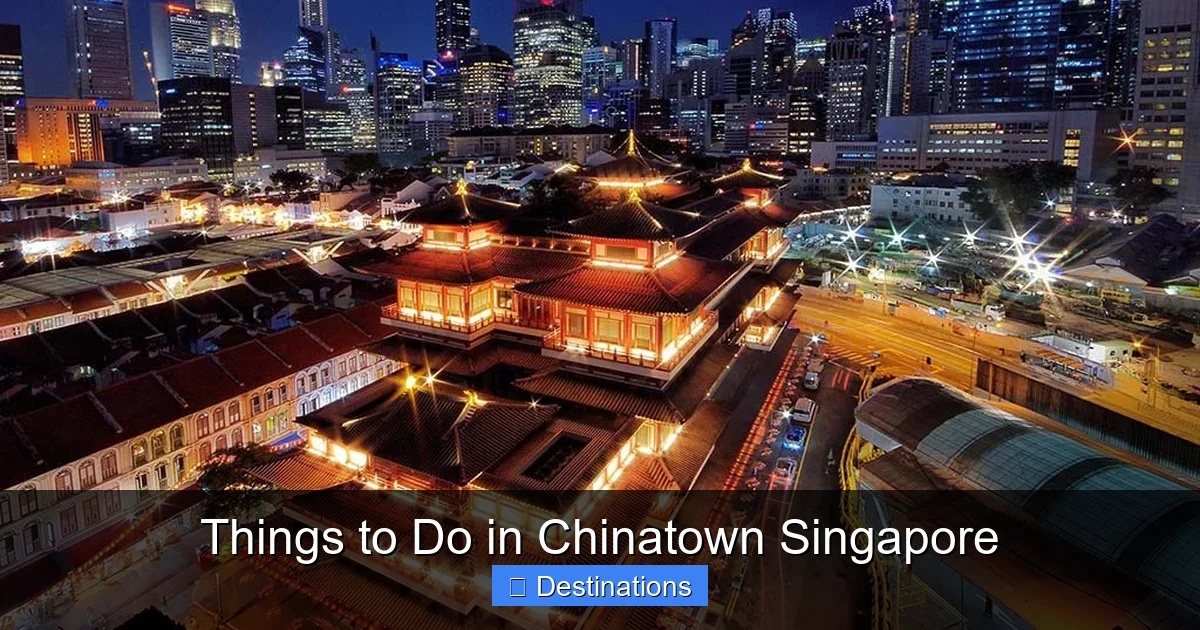
No visit to Chinatown is complete without a stop at its spiritual heart. The temples here are not only places of worship but also architectural marvels that tell stories of devotion, resilience, and community. Start your journey at Buddha Tooth Relic Temple, a stunning example of traditional Chinese architecture. Built in 2007, this temple houses a sacred relic of the Buddha and features intricate carvings, golden Buddhas, and peaceful courtyards. Inside, you’ll find a museum showcasing Buddhist artifacts and a quiet space for reflection. Be sure to observe the dress code—sleeves should cover your arms and legs, and shoes must be removed before entering.
Find the Best Accommodation Deals
Compare prices from multiple booking platforms and find the best option for your stay.
Compare Hotel PricesJust a short walk away, Thian Hock Keng is Singapore’s oldest Hokkien temple, dating back to 1842. Dedicated to Mazu, the goddess of the sea, this temple was a sanctuary for early seafarers. Its ornate roof, carved dragons, and colorful tiles reflect centuries of craftsmanship. During festivals like the Mazu Pilgrimage, the temple comes alive with processions, music, and chanting. Even if you’re not religious, the temple’s serene atmosphere and historical significance make it a must-see.
For a quieter experience, head to Kwan Im Thong Hood Cho Temple, known as the “Temple of the Goddess of Mercy.” This is where locals pray for good fortune, health, and love. The temple’s courtyard is lined with incense burners, and you’ll often see visitors offering joss sticks and bowing in respect. Don’t miss the “fortune sticks”—many people come here to draw a slip of paper for guidance on life’s big questions.
Find the Best Accommodation Deals
Compare prices from multiple booking platforms and discover the best stay options available.
⭐ Trusted by thousands of travelers
💰 Budget to luxury options available
Tips for Temple Visits
- Wear modest clothing that covers your shoulders and knees.
- Remove your shoes before entering temple halls.
- Be respectful of rituals—don’t take photos during ceremonies.
- Visit early in the morning to avoid crowds and enjoy a peaceful experience.
Indulge in Singapore’s Iconic Street Food
Visual guide about Things to Do in Chinatown Singapore
Image source: careergappers.com
Best Stay Deals Available
Compare prices across top booking platforms and find the best deal for your stay.
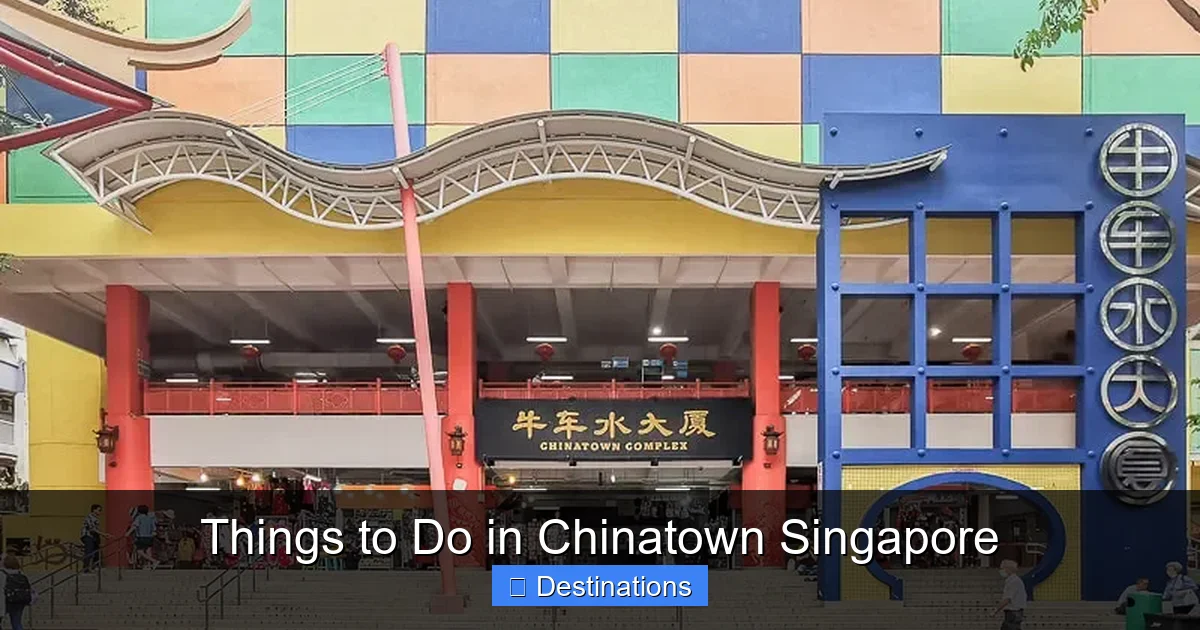
Check Available RoomsIf you’re a food lover, Chinatown Singapore is your paradise. This district is home to some of the world’s best hawker centers, where you can taste authentic dishes made with care and tradition. The most famous spot is Chinatown Complex Food Centre, a bustling food court housed in a public housing block. Here, you’ll find everything from char kway teow (stir-fried flat noodles) to bak kut teh (pork rib soup with herbs) and roti prata (flaky Indian-inspired pancake).
For a more curated experience, visit Maxwell Food Centre and Chinatown Food Street. These spots are known for their Michelin-starred hawkers and cozy ambiance. Try the chilli crab at Long Beach Seafood Restaurant or the bak kwa (barbecued meat skewers) from a local favorite on Smith Street. Don’t forget to sip on hor fun (rice noodle soup with shrimp) or teh tarik (pulled tea) to wash it all down.
Must-Try Dishes in Chinatown
- Laksa: A spicy coconut-based noodle soup with prawns, fish cake, and bean sprouts.
- Hokkien Mee: Thick yellow noodles and thick rice noodles stir-fried with shrimp, squid, and pork.
- Kaya Toast: Toasted bread with coconut jam and soft-boiled eggs, often served with coffee.
- Ice Kacang: A colorful shaved ice dessert topped with condensed milk, syrup, and beans.
Shop Like a Local on Pagoda and Smith Streets
Visual guide about Things to Do in Chinatown Singapore
Image source: trevallog.com
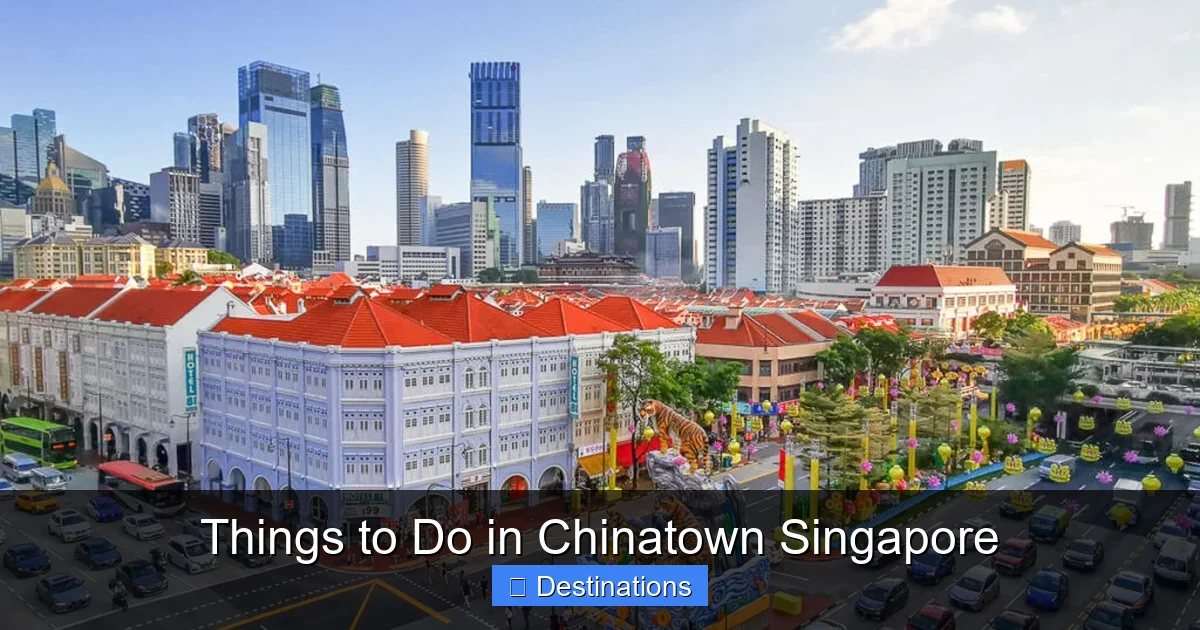
Shopping in Chinatown is an adventure in itself. The narrow lanes are lined with everything from traditional herbal shops to trendy fashion boutiques. Pagoda Street is the heart of the action, where you’ll find gold shops, jade jewelry stores, and souvenir stalls. Look for hand-painted fans, silk scarves, and miniature lanterns as unique gifts.
For a more modern vibe, check out Smith Street, which has been transformed into a hipster hub. Here, you’ll find vintage clothing stores, artisanal coffee shops, and quirky gift shops. Don’t miss Smith Street Food Centre for a quick bite—try the bak kwa or popiah (fresh spring rolls).
If you’re looking for bargains, explore Amoy Street Food Centre and Trengganu Street, where you’ll find affordable snacks, snacks, and snacks. For electronics and gadgets, People’s Park Complex has a great selection of affordable options.
Shopping Tips
- Bargain politely at open-air stalls—many expect haggling.
- Carry cash, as some small vendors don’t accept cards.
- Check opening hours—many shops close for lunch or siesta.
- Visit on weekends for the best selection and atmosphere.
Experience Cultural Festivals and Events
Visual guide about Things to Do in Chinatown Singapore
Image source: trevallog.com
Chinatown is alive with festivals throughout the year, especially during Chinese New Year. The streets come alive with dragon dances, lion performances, and fireworks. The Chinatown Festival is a month-long celebration featuring parades, cultural performances, and food stalls. Even if you’re not in Singapore during the holiday, you can still enjoy the festive decorations and events.
Other highlights include the Mid-Autumn Festival, where families gather to admire glowing lanterns and share mooncakes, and the Vegetarian Festival, a nine-day event where devotees take part in rituals for health and protection. These events offer a deep dive into local traditions and are a great way to connect with the community.
For a more relaxed cultural experience, join a free walking tour led by local guides. These tours cover everything from history and architecture to hidden alleyways and secret courtyards. Many tours start at Buddha Tooth Relic Temple and last about 90 minutes.
Best Times to Visit Chinatown
- Chinese New Year (January/February): Vibrant celebrations, but expect crowds and higher prices.
- Mid-Autumn Festival (September/October): Beautiful lantern displays and mooncake tastings.
- Weekdays (Tuesday–Thursday): Quieter, ideal for sightseeing and shopping.
- Evenings: Best for food and nightlife—try Chinatown Point for dinner and drinks.
Discover Hidden Gems and Offbeat Attractions
Beyond the main sights, Chinatown has plenty of hidden gems waiting to be explored. One such spot is Peranakan Place, a charming enclave of colorful Peranakan shophouses. Though not in the traditional Chinatown core, it’s nearby and offers a glimpse into the unique blend of Chinese and Malay heritage. You’ll find boutique shops, art galleries, and cozy cafes here.
Another lesser-known attraction is the Chinatown Heritage Centre, located in a restored shophouse. This museum tells the story of early Chinese immigrants through personal artifacts, photographs, and oral histories. It’s a poignant reminder of the struggles and triumphs that shaped Singapore’s multicultural identity.
For a dose of nature, visit Telok Ayer Park, a small but peaceful green space tucked between skyscrapers. Here, you can relax under the trees, watch locals play chess, or simply enjoy the contrast between urban life and natural calm.
Fun Facts About Chinatown
- The name “Chinatown” was officially adopted in 1989 to reflect the district’s cultural identity.
- Over 70% of Singapore’s Chinese population lives in the Central Area, including Chinatown.
- The area has more than 50 temples, making it one of the most spiritually rich districts in Southeast Asia.
- Chinatown was once home to the city’s first rubber plantations and tin mines.
Plan Your Visit: Practical Tips and Itineraries
To make the most of your time in Chinatown, plan your visit around your interests. For a half-day tour, start with a temple visit, followed by lunch at a hawker center, and finish with shopping on Pagoda Street. For a full day, add a walking tour, a visit to the Heritage Centre, and a stop at Telok Ayer Park.
If you’re traveling with kids, bring them to the Chinatown Children’s Garden or let them watch a lion dance performance. For couples, enjoy a sunset dinner at Chinatown Point or a quiet walk through the shophouses.
Public transport is easy—take the MRT to Chinatown Station (North East Line or Downtown Line). From there, it’s a short walk to most attractions.
Sample Itinerary: 2 Days in Chinatown
- Day 1: Morning: Buddha Tooth Relic Temple. Lunch: Maxwell Food Centre. Afternoon: Shopping on Pagoda Street. Evening: Free walking tour.
- Day 2: Morning: Chinatown Heritage Centre. Lunch: Smith Street Food Centre. Afternoon: Telok Ayer Park and Peranakan Place. Evening: Dinner at Chinatown Point.
Conclusion
Chinatown Singapore is a destination that captivates the heart and soul of every visitor. Whether you’re drawn by its spiritual temples, its mouthwatering food, or its lively markets, you’ll leave with memories that last a lifetime. The district’s blend of history, culture, and modern energy makes it one of the most dynamic neighborhoods in Southeast Asia. From ancient rituals to contemporary trends, things to do in Chinatown Singapore offer something for everyone. So pack your curiosity, bring your appetite, and get ready to explore one of the world’s most vibrant urban gems.
Frequently Asked Questions
What are the must-try foods in Chinatown Singapore?
You must try laksa, char kway teow, bak kwa, and kaya toast at hawker centers like Chinatown Complex and Maxwell Food Centre. These dishes offer a true taste of local culture.
Are there any dress codes for visiting temples in Chinatown?
Yes, modest clothing is required—sleeves should cover your arms and legs. Shoes must be removed before entering temple halls. Avoid revealing outfits and loud behavior.
How long should I spend in Chinatown?
At least half a day to explore temples and food, but a full day or two allows you to enjoy shopping, cultural events, and hidden gems like the Heritage Centre.
Can I take photos inside the temples?
Yes, but be respectful. Avoid taking photos during rituals or in restricted areas. Flash photography is usually not allowed inside prayer halls.
Are there any markets to visit in Chinatown?
Yes! Pagoda Street and Smith Street have vibrant markets selling souvenirs, jewelry, clothing, and snacks. Amoy Street Food Centre is also a great spot for local eats.
Is Chinatown family-friendly?
Absolutely. Kids will enjoy watching lion dances, trying sweet snacks, and exploring the colorful shophouses. Many restaurants and attractions are stroller-accessible.