
Kanazawa is a hidden gem on Japan’s west coast that blends rich history, stunning nature, and incredible culture. Unlike Tokyo or Kyoto, it offers a more relaxed pace with fewer crowds, making it perfect for travelers seeking authenticity. Whether you love art, food, or scenic walks, things to do in Kanazawa will surprise and delight you.
Japan is full of incredible destinations, but few offer the perfect mix of culture, nature, and calm like Kanazawa. Located on the Sea of Japan coast, this city has quietly been winning hearts for years. It’s often called “Little Kyoto” for good reason—its historic districts, beautiful gardens, and refined traditions feel timeless. But Kanazawa isn’t just a replica; it’s a city with its own unique identity.
Check the latest prices and available rooms before they sell out.
From ancient samurai castles to cutting-edge art museums, from gold leaf sweets to fresh seafood markets, things to do in Kanazawa are as diverse as they are memorable. And the best part? You won’t need a car. Most attractions are walkable or easily reached by local transit. Whether you’re a first-time visitor or returning for another adventure, Kanazawa delivers something special.
Key Takeaways
- Explore Kenrokuen Garden: One of Japan’s top three most beautiful stroll gardens, with seasonal beauty and peaceful paths.
- Visit Kanazawa Castle: A reconstructed castle with a preserved donjon and beautiful plum garden.
- Stroll through Higashi Chaya District: A preserved geisha district with traditional tea houses and narrow alleys.
- Experience the 21st Century Museum of Contemporary Art: A futuristic building housing modern art and interactive exhibits.
- Try fresh seafood at Omicho Market: Japan’s second-largest market, famous for crab, sea urchin, and sushi.
- Shop for gold leaf crafts: Kanazawa is known for its gold leaf production—over 99% pure—used in sweets, art, and souvenirs.
- Take a day trip to Noto Peninsula: Dramatic coastlines, sea caves, and charming fishing villages await.
Quick Answers to Common Questions
What is the best time to visit Kanazawa?
Spring (March–May) and autumn (September–November) offer mild weather and beautiful scenery. Cherry blossoms bloom in April, and autumn leaves appear in November.
How do I get to Kanazawa from Tokyo?
Take the Hokuriku Shinkansen from Tokyo Station to Kanazawa Station. The journey takes about 2.5 hours and offers scenic views of the Japanese countryside.
Is Kanazawa family-friendly?
Yes! Kanazawa has many kid-friendly attractions like the 21st Century Museum, Kenrokuen Garden, and interactive ninja museum. Public transit is easy to navigate with children.
Are there vegetarian options in Kanazawa?
Yes, but options may be limited compared to larger cities. Look for Buddhist vegetarian restaurants (shojin ryori) or cafés near Kenrokuen and Higashi Chaya.
How much does a trip to Kanazawa cost?
Kanazawa is more affordable than Tokyo or Kyoto. Budget around ¥8,000–¥12,000 per day for food, transport, and entry fees. Staying in a mid-range ryokan or hotel adds to the cost.
📑 Table of Contents
- Discovering Kanazawa’s Historic Heart
- Art, Culture, and the 21st Century Museum of Contemporary Art
- Walking Through Higashi Chaya: A Geisha District Adventure
- Food Adventures: Omicho Market and Beyond
- Nature Escapes: Gardens, Parks, and Day Trips
- Shopping and Souvenirs: Gold Leaf and Local Crafts
- Practical Tips for Your Kanazawa Trip
Discovering Kanazawa’s Historic Heart
One of the first stops on any things to do in Kanazawa list should be Kenrokuen Garden. This UNESCO-recognized garden is not only one of Japan’s “Three Great Gardens” but also a peaceful escape into nature. In spring, cherry blossoms frame the ponds; in autumn, maples paint the paths in fiery reds and oranges. You can walk the winding stone paths, admire teahouses, and spot koi swimming beneath willow trees.
Find the Best Accommodation Deals
Compare prices from multiple booking platforms and find the best option for your stay.
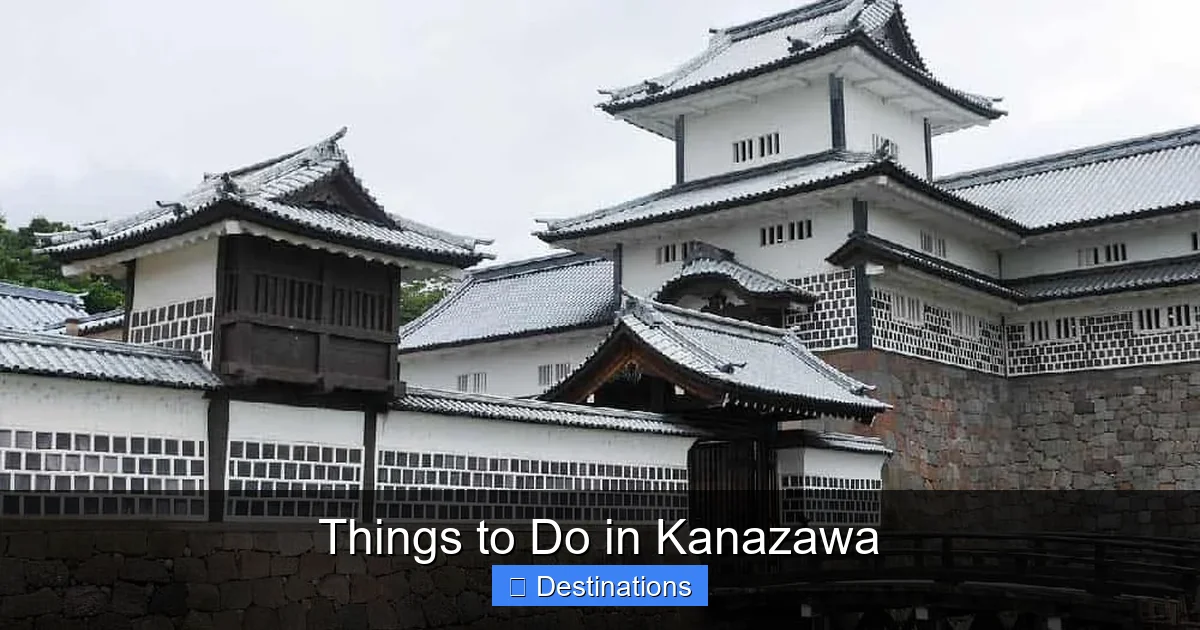
Compare Hotel PricesNearby, Kanazawa Castle stands as a proud reminder of the city’s samurai past. Though much of the original structure was lost to fire, the main donjon has been carefully restored. Inside, you’ll find exhibits about the Maeda clan, who ruled Kanazawa for over 200 years. Don’t miss the plum garden in spring—it’s one of the best in Japan.
For a deeper dive into history, visit the Nagamachi Samurai District. This quiet neighborhood still has preserved homes, a small museum, and even a reconstructed samurai residence. Walking here feels like stepping back in time.
Find the Best Accommodation Deals
Compare prices from multiple booking platforms and discover the best stay options available.
⭐ Trusted by thousands of travelers
💰 Budget to luxury options available
Art, Culture, and the 21st Century Museum of Contemporary Art
Visual guide about Things to Do in Kanazawa
Image source: alljapantravel.com
Best Stay Deals Available
Compare prices across top booking platforms and find the best deal for your stay.
Check Available RoomsKanazawa doesn’t just preserve the past—it celebrates the future. The 21st Century Museum of Contemporary Art is a must-see. Its glass-walled, circular building looks like a spaceship landed in the city center. Inside, you’ll find rotating exhibitions from global artists, interactive installations, and even a rooftop garden with views over the city.
If you prefer traditional arts, the Kanazawa Ninja Museum is fun and educational. You’ll learn about ninjutsu, the art of stealth, and even try on a ninja costume. It’s a hit with families and history buffs alike.
For craft lovers, the Ishikawa Prefectural Museum of Traditional Arts and Crafts showcases local pottery, lacquerware, and textiles. You can watch live demonstrations and even take a class in raku pottery—a traditional Japanese firing technique.
Walking Through Higashi Chaya: A Geisha District Adventure

Visual guide about Things to Do in Kanazawa
Image source: i.pinimg.com
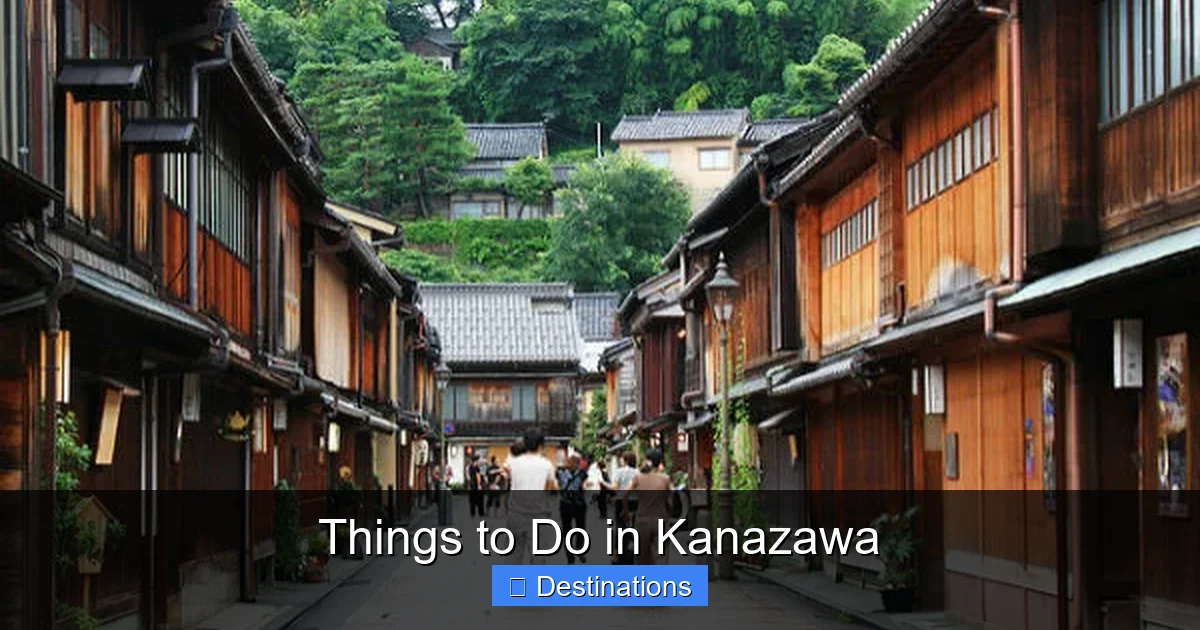
No visit to Kanazawa is complete without a walk through the Higashi Chaya District. This preserved geisha quarter is quiet, tree-lined, and filled with old wooden tea houses. Some of these buildings date back to the Edo period, and a few still operate as teahouses.
You’ll see geiko (the Japanese term for geisha) and maiko (apprentice geiko) in their elegant kimonos, though they’re less common than in Kyoto. Still, the atmosphere is magical. Try a matcha tea ceremony in one of the historic teahouses—it’s a peaceful way to connect with the city’s cultural roots.
Pro tip: Visit in the late afternoon when the light is golden and fewer tourists are around. You might even catch a glimpse of a maiko hurrying to an appointment.
Food Adventures: Omicho Market and Beyond
Visual guide about Things to Do in Kanazawa
Image source: treksplorer.com
Kanazawa’s food scene is fresh, bold, and unforgettable. Start your culinary journey at Omicho Market, often called “Kanazawa’s Kitchen.” Open daily (except Mondays), this lively market sells everything from live crabs to freshly made soba noodles.
Don’t leave without trying seafood sushi—the fish here is incredibly fresh because Kanazawa is a coastal city. Look for stalls offering uni (sea urchin), ikura (salmon roe), and of course, snow crab. Many vendors let you sample before you buy.
Another local favorite is gold leaf ice cream. Yes, you read that right—edible gold leaf. It’s not just a gimmick; it adds a subtle, luxurious touch to desserts. Try it at a café in the city center or buy a small pack to take home.
For a unique experience, book a kaiseki dinner at a ryokan (traditional inn). These multi-course meals focus on seasonal ingredients and are a true art form. Many include local specialties like tai (sea bream) and jibuni (braised chicken in sweet soy sauce).
Nature Escapes: Gardens, Parks, and Day Trips
While Kanazawa’s urban charm is strong, nature lovers will find plenty to explore. Besides Kenrokuen, the Myoryu-ji Temple Garden is a hidden gem. It’s smaller and less crowded, with moss-covered stones and tranquil ponds.
For a full-day adventure, head to the Noto Peninsula—just an hour away by train and ferry. This rugged coastline features sea caves, dramatic cliffs, and tiny fishing villages like Wajima and Uchiwa. You can hike along the Noto Hantō Quasi-National Park, visit ancient shrines, and even try Wajima-nabe, a hotpot dish cooked right at your table.
Another great escape is the Kaga Onsen region nearby. Soak in natural hot springs surrounded by mountains—it’s the perfect way to relax after a day of sightseeing.
Shopping and Souvenirs: Gold Leaf and Local Crafts
Kanazawa is famous for its gold leaf production. The city produces over 99% pure gold leaf, used in everything from art to food. You’ll find shops selling gold leaf chocolates, soaps, and even gold leaf sake.
For handmade crafts, visit Omicho Market or browse the Higashi Chaya District. Look for Wajima lacquerware, known for its deep black finish and gold inlay, and Kaga yuzen textiles, dyed with indigo and natural pigments.
If you’re looking for a practical souvenir, try kanten—a type of clear jelly made from seaweed. It’s healthy, delicious, and easy to pack. Many stores sell it in small jars or as a snack.
Practical Tips for Your Kanazawa Trip
Planning your trip to Kanazawa is easier than you think. The city is compact, and most attractions are within walking distance of each other. Here are a few tips:
- Get a Kanazawa City Bus Pass: If you plan to visit multiple sites, the 1-day bus pass is a great value. It covers most major routes and is valid for 24 hours.
- Book accommodations early: Kanazawa is gaining popularity, especially in spring and autumn. Consider staying near the station or in Higashi Chaya for easy access.
- Visit in shoulder seasons: Spring (cherry blossoms) and autumn (fall colors) are stunning, but weekdays are less crowded than weekends.
- Try local transit: The Hokuriku Shinkansen connects Kanazawa to Tokyo in about 2.5 hours. It’s fast, comfortable, and scenic.
One of the best parts of Kanazawa is how easy it is to explore. Unlike larger cities, you won’t spend hours in traffic or fighting crowds. Instead, you’ll enjoy quiet cafés, friendly locals, and a slower pace of life.
Frequently Asked Questions
What are the top attractions in Kanazawa?
Kenrokuen Garden, Kanazawa Castle, Higashi Chaya District, 21st Century Museum of Contemporary Art, and Omicho Market are must-visits. Each offers a unique glimpse into Kanazawa’s culture and history.
Can I see geisha in Kanazawa?
While less common than in Kyoto, geiko (geisha) and maiko (apprentices) still perform in Higashi Chaya District. Sightings are rare but possible, especially in the evenings.
Is Kanazawa worth visiting for a day trip from Tokyo?
Yes, but it’s best explored over two days. With the Shinkansen, you can easily do a day trip, but you’ll only scratch the surface. Consider staying overnight to enjoy the city’s pace.
What is Kanazawa famous for?
Kanazawa is known for Kenrokuen Garden, gold leaf crafts, fresh seafood, traditional tea houses, and its well-preserved Edo-era districts. It’s also a gateway to the Noto Peninsula.
Are there free things to do in Kanazawa?
Yes! Strolling through Higashi Chaya, walking along the Asanogawa River, and exploring Kenrokuen (entry fee applies) are highlights. Many temples and parks offer free admission.
How long should I stay in Kanazawa?
Two to three days is ideal. This allows time to visit major attractions, take a day trip to the Noto Peninsula, and enjoy the local food and culture without rushing.