
Tent camping offers unmatched freedom, affordability, and deep connection with nature. Unlike glamping or RV trips, setting up a simple tent lets you escape crowds and immerse yourself in real wilderness. With minimal gear and maximum adventure, it’s the perfect way to unwind, explore, and create lasting memories—without breaking the bank.
Key Takeaways
- Affordability: Tent camping costs far less than RVs, cabins, or resort stays—making it accessible for budget-conscious adventurers.
- Freedom & Flexibility: Choose any scenic spot, camp anywhere legal, and change plans instantly without booking fees.
- Closer to Nature: Experience true immersion—listen to crickets, smell pine trees, and sleep under endless stars.
- Minimalist Lifestyle: Pack light, live simply, and reduce clutter while boosting mental clarity and mindfulness.
- Skill Building: Learn practical survival skills like fire-building, navigation, and weather-reading that last a lifetime.
- Family Bonding: Create unforgettable moments with kids through shared chores, storytelling, and outdoor games.
- Eco-Friendly: Leave no trace by packing out all trash, minimizing environmental impact, and protecting natural spaces.
📑 Table of Contents
Why Tent Camping Is the Best
If you’ve ever felt the pull of open trails, crisp morning air, and the soft crackle of a campfire beneath a sky full of stars, you already know what we’re talking about. There’s something deeply grounding about sleeping under canvas instead of concrete, about waking to birdsong instead of traffic noise. Tent camping isn’t just an activity—it’s a mindset. It’s about slowing down, disconnecting from screens, and rediscovering what truly matters: fresh air, good company, and the quiet beauty of the wild.
Check the latest prices and available rooms before they sell out.
In a world where convenience often comes at the cost of connection, tent camping stands as one of the most honest forms of travel. No reservations required, no Wi-Fi signal, no room service. Just you, your gear, and the great outdoors. Whether you’re a seasoned backpacker or a weekend warrior, choosing to pitch a tent means choosing simplicity over luxury, presence over distraction, and adventure over routine.
The Freedom of the Wild
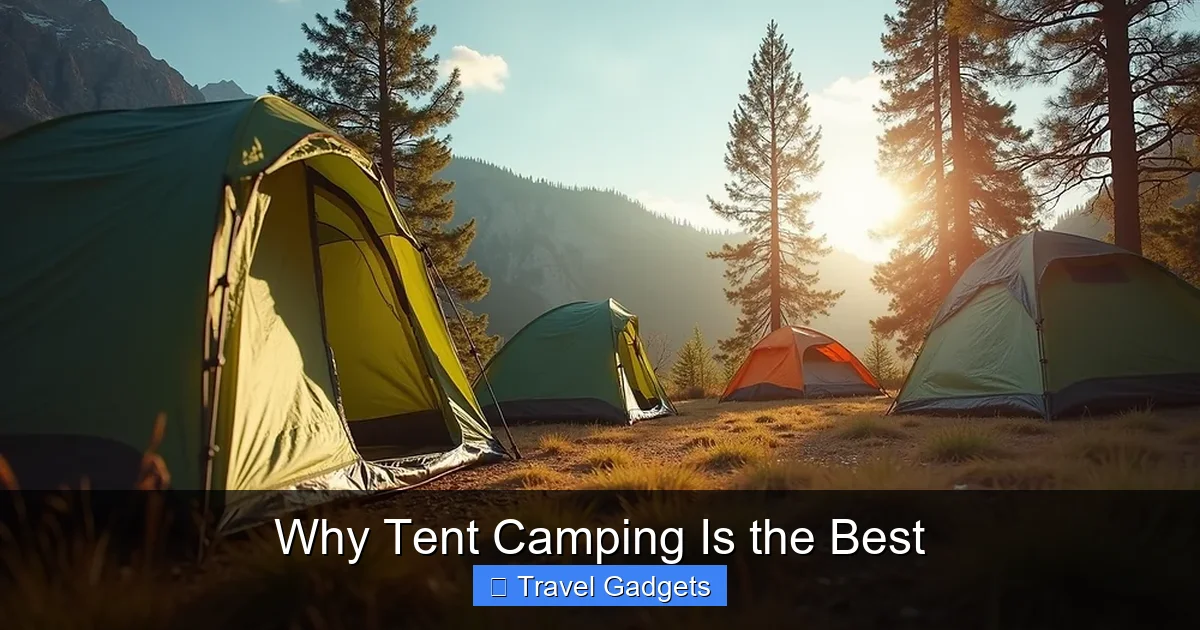
One of the biggest perks of tent camping? Total freedom. Unlike RVs or cabin rentals, you’re not locked into a schedule or location. You can wake up and decide to hike another mile, stay put and read by the lake, or pack up and head to the next scenic overlook—all without penalty or extra fees. This flexibility is especially powerful in national parks, forestlands, or public lands where dispersed camping (free wild camping) is allowed in many areas.
Visual guide about Why Tent Camping Is the Best
Image source: static.wixstatic.com
Imagine this: You arrive at a hidden alpine lake at sunset, set up your tent before dark, cook dinner over a small stove, and fall asleep listening to loons call across the water. The next morning, you’re greeted by deer grazing at the edge of the tree line. That’s the kind of magic tent camping delivers—not because it’s fancy, but because it lets you be present in the moment, unscripted and unplanned.
Wherever You Roam, There You Are
With a quality tent, sleeping bag, and basic cooking kit, you can camp almost anywhere with legal access—forest roads, BLM land, even some national forests after a quick permit check. Apps like iOverlander or Couchsurfing Outdoor help locate trusted spots, and many state parks offer low-cost sites for tents only. This geographic freedom means you’re never too far from nature, even near major cities.
Find the Best Accommodation Deals
Compare prices from multiple booking platforms and find the best option for your stay.
Compare Hotel PricesPro tip: Always research local regulations. Some areas require permits, others restrict fires, and some have strict “no overnight parking” rules on roadsides. But when you follow the guidelines, the payoff is worth it—you get to sleep under the stars in peace, away from other people.
Save Money Without Sacrificing Adventure
Let’s talk about cost. Renting an RV for a weekend can easily run $800–$1,200. A hotel near a park? Another $150+. Add food, gas, and activities, and your trip costs add up fast. Meanwhile, a high-quality tent and sleeping bag combo might cost $300–$500 total—and lasts for decades. Even entry fees to national parks are often under $35 per vehicle for a week-long pass.
Find the Best Accommodation Deals
Compare prices from multiple booking platforms and discover the best stay options available.
⭐ Trusted by thousands of travelers
💰 Budget to luxury options available
Visual guide about Why Tent Camping Is the Best
Image source: outdoordoer.com
Best Stay Deals Available
Compare prices across top booking platforms and find the best deal for your stay.
Check Available Rooms| Trip Type | Average Cost (2 people, 3 days) |
| RV Rental + Campsite | $900–$1,400 |
| Hotel + Park Entry | $600–$900 |
| Tent Camping (Gear Owned) | $100–$200 |
This doesn’t mean tent camping has to be rough. With the right gear—like a waterproof tent, insulated sleeping pad, and portable stove—you can have comfort without spending a fortune. And once your gear is paid for, every trip becomes cheaper than the last.
Long-Term Savings Tips
- Buy used gear from reputable brands like REI, Backcountry, or even Facebook Marketplace.
- Invest in multi-use items: a camp chair doubles as seating during hikes.
- Cook simple meals—one-pot pasta, foil-wrapped potatoes, trail mix—to save on fuel and cleanup.
Deep Connection with Nature
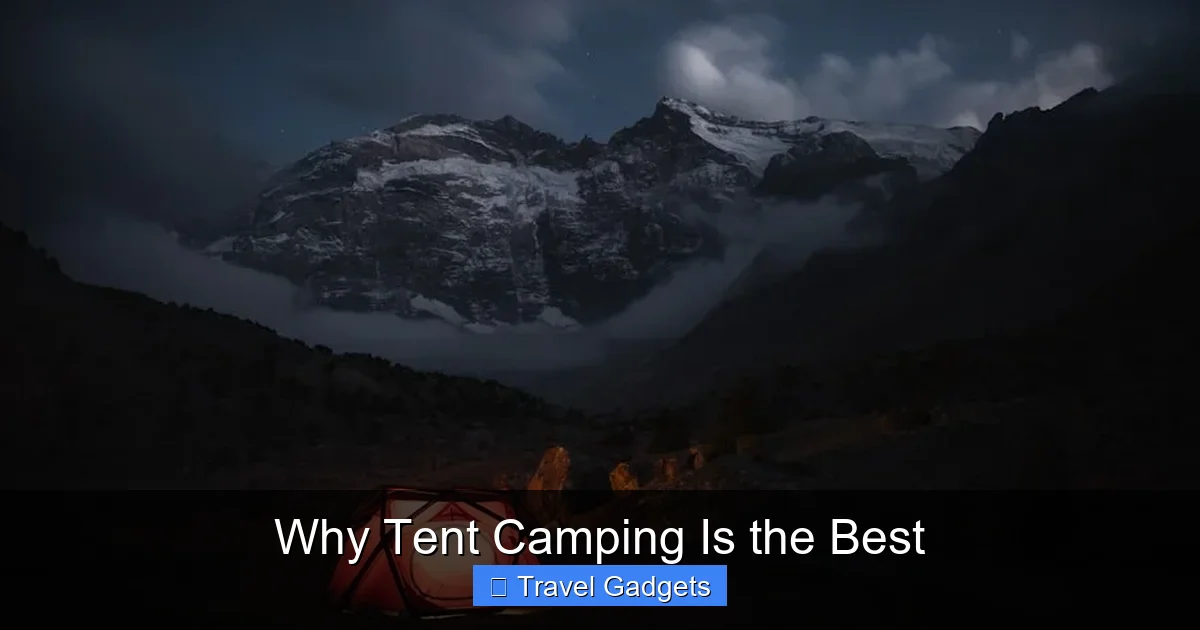
There’s a reason studies show spending time in nature reduces stress and boosts creativity. When you camp in a tent, you’re not just visiting the outdoors—you’re living inside it. You feel the wind on your face, hear the rustle of leaves at night, watch the moon rise over distant peaks. These sensory experiences ground you in the present, away from the constant buzz of digital life.
Visual guide about Why Tent Camping Is the Best
Image source: campinggearfinder.com
Real example: Sarah, a software developer from Seattle, went tent camping for her first time last summer. She expected discomfort—cold nights, bugs, maybe rain. Instead, she fell in love with the silence. “For the first time in years, I slept through the night without my phone alarm,” she says. “And waking up to see deer in the meadow? That’s a memory I’ll carry forever.”
Mindfulness Meets Wilderness
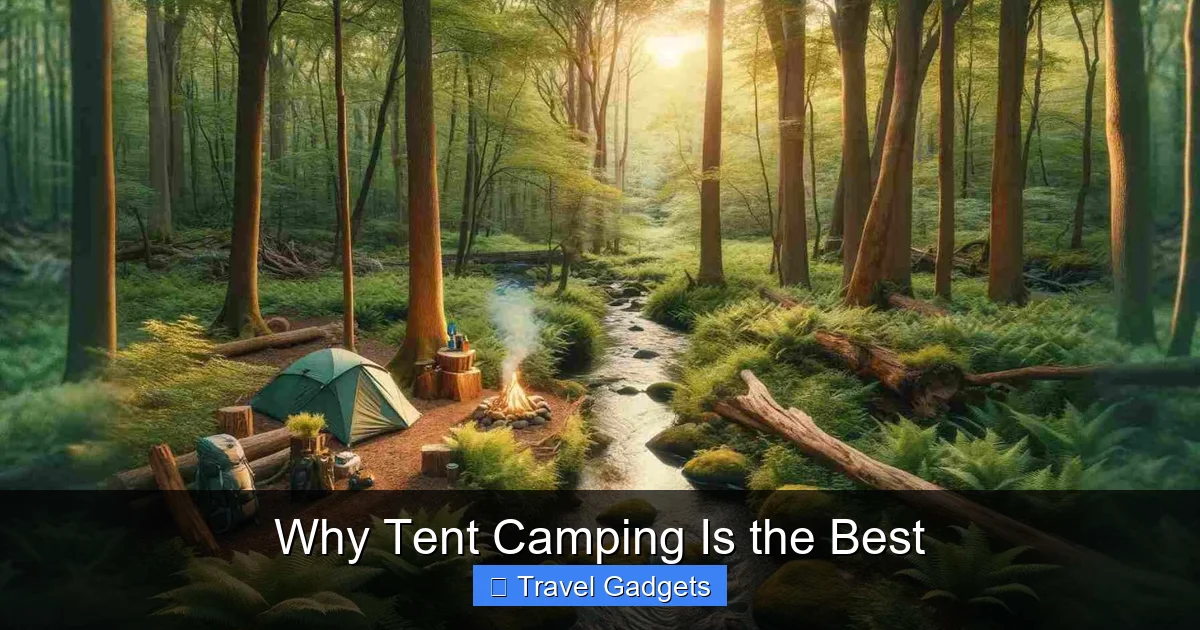
Camping forces simplicity. With limited space and gear, you learn to prioritize what’s essential. That shift—from “what do I need to buy?” to “what do I need to bring?”—teaches mindfulness. You become aware of your surroundings, notice subtle changes in weather, and appreciate small joys: a perfectly cooked marshmallow, a clear night sky, a friend laughing around the fire.
This mindful living extends beyond the trip. People who regularly camp report better focus, improved mood, and stronger relationships—because they’re more present with themselves and others.
Build Real Skills
Unlike resort vacations, tent camping teaches practical skills that serve you well beyond the trail. You learn how to:
- Set up shelter quickly in bad weather
- Start a fire safely and efficiently
- Navigate using a map and compass
- Identify edible plants and safe water sources
- Pack efficiently to maximize space
These aren’t just survival tricks—they’re confidence builders. Knowing you can handle unexpected situations makes you calmer in everyday life, too. Plus, many outdoor organizations offer free workshops on wilderness skills, so you can keep learning.
Teach Kids the Value of Simplicity
Camping with children is one of the best ways to teach them about nature, responsibility, and gratitude. Instead of screen time, they play hide-and-seek among pines, build forts, and stargaze until bedtime. They also learn to pack their own backpacks, help gather wood for fires, and clean up after meals—skills that build independence and respect for the environment.
Fun family activity: Give each child a “nature scavenger hunt” list—find a smooth rock, a feather, a pinecone, etc.—before dinner. It keeps them engaged and observant.
Leave No Trace, Love Every Bit
Modern tent camping embraces Leave No Trace principles: pack out everything you bring in, minimize campfire use, respect wildlife, and stay on designated trails. This eco-conscious approach ensures wild places remain pristine for future generations.
Unlike motorized vehicles or large group campsites, a tent leaves little physical impact. You can camp on grass, leave it looking untouched, and move on. That’s sustainability made personal.
Small Actions, Big Impact
- Use biodegradable soap sparingly (or better yet, skip it).
- Bury human waste 6–8 inches deep in remote areas (follow LNT guidelines).
- Store food in bear-proof containers or hang it if bears are active.
- Walk quietly to avoid disturbing animals.
When you camp responsibly, you become part of the solution—not part of the problem.
Create Unforgettable Memories
There’s no substitute for the warmth of a campfire under a canopy of stars, the taste of coffee brewed over twigs, or the sound of laughter echoing through the woods at dusk. These moments aren’t captured in photos alone—they live in your heart long after the trip ends.
Memory maker idea: Keep a “camp journal” where everyone writes or draws what they loved each day. It becomes a keepsake you’ll treasure for years.
Tent camping turns ordinary weekends into extraordinary adventures. It’s not about perfection—it’s about presence, connection, and joy in the simple things.
Getting Started: Your First Tent Trip
New to tent camping? Don’t let gear lists or fear of the unknown stop you. Start small:
- Practice setting up your tent at home.
- Choose a nearby state park with easy access.
- Pack light: tent, sleeping bag, pad, stove, food, water, flashlight.
- Invite a friend or family member for moral support.
- Embrace imperfection—rain, dirt, or a slightly lumpy sleeping pad are part of the fun!
Remember: the goal isn’t to be “roughing it”—it’s to be living. And there’s no better way to do that than under the open sky, wrapped in a warm sleeping bag, surrounded by the quiet hum of nature.
Conclusion: Why Tent Camping Is Simply the Best
In a world of instant gratification and constant connectivity, tent camping offers something rare: stillness. It’s a reminder that adventure doesn’t require luxury—just curiosity, courage, and a willingness to step outside your comfort zone. Whether you’re chasing mountain views, fishing in a quiet stream, or just escaping city noise, pitching a tent connects you to something deeper: yourself, your companions, and the timeless rhythm of the earth.
So next time you’re planning a getaway, skip the resort. Grab your gear, pick a trailhead, and go sleep under the stars. Because nothing beats the feeling of standing at the edge of the woods, taking a deep breath, and saying, “This is it. This is what I needed.”
Frequently Asked Questions
Is tent camping safe?
Yes, especially when you plan ahead. Know the area, tell someone your itinerary, carry a first-aid kit, and follow Leave No Trace rules. Most injuries come from slips, falls, or poor weather prep—not wildlife. With basic precautions, tent camping is one of the safest ways to experience nature.
Do I need expensive gear to tent camp?
Not necessarily. While quality gear improves comfort, you don’t need top-of-the-line equipment to enjoy camping. A reliable tent, warm sleeping bag rated for the season, and a good sleeping pad are the essentials. Many affordable options perform well if chosen wisely.
Can I camp with kids?
Absolutely! Kids thrive in nature. Just pack kid-friendly food, plan shorter hikes, bring entertainment like books or games, and involve them in setup and cleanup. Camping teaches responsibility and creates lifelong memories for families.
What if it rains?
Rain is part of camping—and surprisingly refreshing! Waterproof tents, seam sealing tape, and tarps help keep you dry. Embrace the moody beauty of a rainy forest, wear a rain jacket, and enjoy hot drinks indoors (your tent counts!). Rainy days also mean fewer crowds.
How do I find free camping spots?
Many BLM (Bureau of Land Management) lands and national forests allow dispersed camping for free. Use apps like iOverlander, FreeCampsites.net, or Recreation.gov to find legal, scenic spots. Always check local rules—some areas have seasonal closures or restrictions.
Is tent camping harder than staying in a hotel?
It requires more effort upfront—setting up camp, packing, cleaning up—but the rewards far outweigh the hassle. The physical act builds resilience, and the mental reset is priceless. Think of it as exercise for your soul.